
Vandaag of morgen in huis

Kwaliteit gegarandeerd

Welkomstaanbiedingen ontgrendelen: GRATIS bezorging | Tot 80% korting | Gratis 30 dagen JoyPlus-proefperiode
Download de app
Sunglasses need to do more than look good. In the Netherlands, bright sunlight, cloud cover and reflections on wet roads can change rapidly. If you only consider the colour of the frames, you could end up with sunglasses that slip down while cycling, are too dark in the car or scratch easily.
This practical guide compares UV400 sunglasses, polarisation, materials, comfort and intended use. That way, you can see through marketing claims and choose a model more confidently for walking, travelling, driving or outdoor activities.
A dark lens does not automatically block enough UV radiation. UV400 refers to protection against UV radiation up to a wavelength of 400 nanometres. So check the product information and any markings rather than judging by the tint alone.
According to the descriptions of the selected models, the Beneunder and Revoray sunglasses offer UV400 protection. Exact percentages, such as ≥99.8% or 100%, are claims made in the product information provided by the respective brands and should not be regarded as a universal feature of every pair of sunglasses.
Polarised sunglasses are designed to reduce distracting reflections from surfaces such as water, glass or road surfaces. Polarisation alone does not tell you enough about UV protection. Look at both features separately.
Sunglasses that reduce glare can be comfortable when cycling, boating or driving, but check that the model is also suitable for the lighting conditions in which you intend to use it.
Cat-eye sunglasses or an oversized model can be appealing, but the fit determines whether you will continue wearing them every day. Pay attention to the frame width, the length of the arms, the nose pads and the weight. A model that is too loose will slip down; one that is too narrow may put pressure on your temples.
Hinges and coatings also deserve attention. Folding sunglasses are convenient to carry in a bag, but always fold the frames according to the instructions and store them in a case to help prevent scratches and pressure damage.
First, check that UV400 is clearly stated in the product description. Then look at the lens category or visible light transmission when searching for sports sunglasses or sunglasses for driving. A very dark lens is not practical in every situation, such as when driving through tunnels or in changeable weather.
Sunglasses for everyday use can have a versatile tint. In bright sunlight on the coast, on the water or in the mountains, stronger glare reduction may be useful. Never use ordinary sunglasses to look directly at the sun.
Polarisation filters some horizontally reflected light. This can make your vision more comfortable on wet roads or around bodies of water. An anti-reflective coating is something different: it is designed to reduce reflections on or around the lens.
According to the product description, several Beneunder models feature an OAR anti-reflective coating. The Revoray Y1 models use TAC polarised lenses, according to the brand description. This information describes the product specification; the effect you experience may vary depending on the individual and the lighting conditions.
TR90 is a lightweight, flexible frame material often used for sports and travel sunglasses. The material alone does not guarantee a perfect fit. Also look for:
Lightweight sunglasses weighing approximately 26 to 33 grams can be comfortable to wear for extended periods. However, check that the dimensions suit your face. If you wear prescription glasses, fit-over sunglasses may be more practical than a standard model.
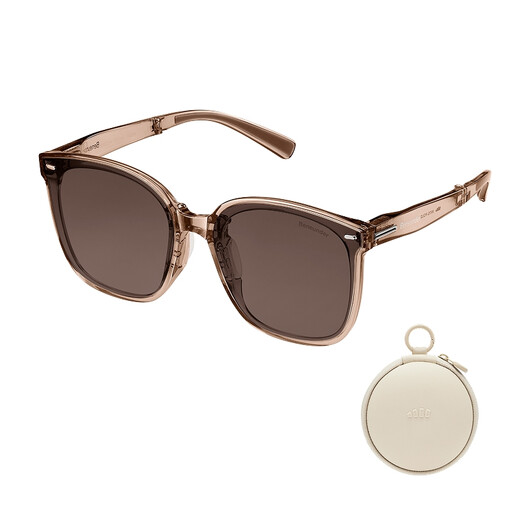
Why it suits this profile: A practical choice for everyday use, travelling and walking. According to the product description, this model weighs 26 grams and folds down to approximately 35 mm thick.
The folding design takes up less space in a bag. The product description mentions UV400 and an OAR coating, so you do not have to judge protection by the lens colour alone.
TR90 frame, nylon lenses, 26 grams and a three-layer folding design. Available in several colours.
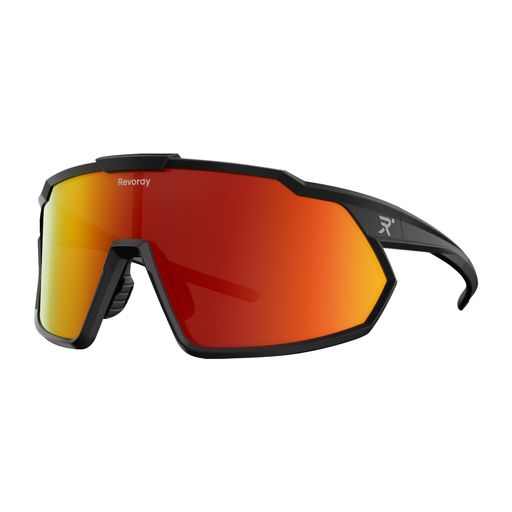
Why it suits this profile: Designed for cyclists who want to reduce reflections from road surfaces, water or metal. According to the product description, this model features TAC polarisation and weighs approximately 33 grams.
The specifications mention both UV400 and polarisation. This means you do not have to confuse glare reduction with UV protection.
TR90 frame, TAC polarised lenses, adjustable non-slip nose pads and water- and oil-repellent coating, according to the brand description.
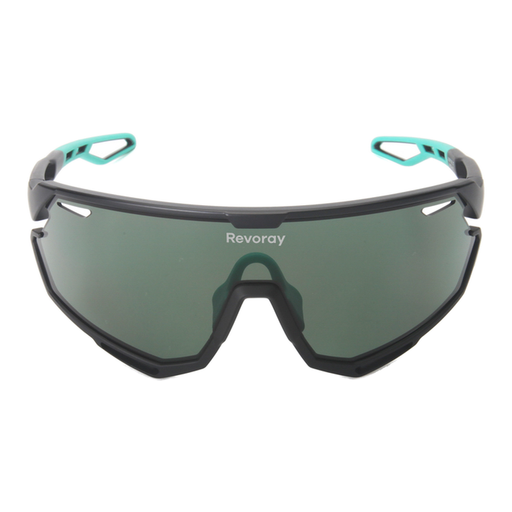
Why it suits this profile: Intended for road cycling, mountain biking and other active outdoor activities where stability and coverage are important.
The integrated PC lens and non-slip details are designed for movement. This makes the glasses a more logical choice for sport than a loose, fashion-led frame.
According to the product information, approximately 30 grams, UV400, an aerodynamic design, PC lens and rubber nose and arm details.

Why it suits this profile: According to the product description, this fit-over model is designed to be worn over ordinary glasses, for example when walking, travelling or driving.
You do not need to buy a second pair of prescription sunglasses straight away. However, check the dimensions to ensure that the model fits comfortably over your own glasses.
Polarised lenses, a plastic frame and a design intended to be worn over glasses, according to the product details.
We have put together a complete, up-to-date list of products that fully meet these strict selection criteria and the applicable European safety regulations.
UV400 indicates protection against UV radiation up to 400 nanometres. Always check the product information and use sunglasses according to the manufacturer's instructions. Sunglasses are not intended for looking directly at the sun.
Polarisation can reduce reflections from wet tarmac, water and other surfaces. This can make driving more comfortable. However, pay attention to visibility in tunnels, low-light conditions and on digital displays. Choose a tint and light transmission level suited to your driving conditions.
Their lifespan depends on use, the hinges, the lens coating and how they are stored. Scratches, bent frames and loose parts are signs that it is time to replace your sunglasses. Rinse off dirt with clean water first and use a soft microfibre cloth. Store folding sunglasses in the supplied case and do not leave them in a hot car for extended periods.
