
Vandaag of morgen in huis

Kwaliteit gegarandeerd

Welkomstaanbiedingen ontgrendelen: GRATIS bezorging | Tot 80% korting | Gratis 30 dagen JoyPlus-proefperiode
Download de app
Sunglasses with UV400 protection may seem straightforward to choose at first glance. However, models can vary considerably in fit, lens quality, comfort and practical features. A cheap pair may feel comfortable in the shop, but prove less suitable when driving, travelling or going on long walks.
The main pitfalls usually lie not in the appearance, but in details that only become noticeable during use.
UV400 refers to protection against ultraviolet light up to approximately 400 nanometres. However, always check that this specification is clearly stated in the product information. Also look for information about compliance, lens material and intended use. A dark lens does not automatically mean that the sunglasses provide sufficient UV protection.
The Beneunder models in this selection state UV400 protection in their product descriptions. According to the product specifications, the lenses block at least 99.8% or 99.9% of UV radiation, depending on the model. These are claims made in the brand’s product information and are not independently verified results.
Bright sunlight reflecting off a wet road, windscreen or water surface can be distracting. Polarised sports sunglasses can help reduce glare, while anti-reflective sunglasses are particularly useful when reflections on the front or back of the lens are disruptive.
When choosing sunglasses for driving, also consider the lens colour and light transmission. A very dark lens is not practical in every traffic situation. Also check that dashboard and navigation screens remain easy to view.
A fashionable pair of cat-eye sunglasses or an oversized model may suit your style, but fit remains the deciding factor. A frame that is too wide may slip down. One that is too narrow can put pressure on your temples. For everyday use, soft nose pads, flexible arms and a low weight are often more important than an eye-catching finish.
Look for a clear mention of UV400, 100% UV protection or a relevant sunglasses standard. Also consider visible light transmission, particularly for sports and ski goggles. The OutdoorMaster Ultra ski goggles in this selection come with different lenses, including a dark lens and a clear lens. This allows you to match the lens more effectively to sunny, cloudy or flat-light conditions.
Ski goggles are not designed for looking directly at the sun or a solar eclipse. Damaged or heavily scratched lenses should be replaced.
TR90 sunglasses use a flexible plastic material for the frame. According to the Beneunder and OutdoorMaster product descriptions, TR90 is lightweight and resilient. This can make it comfortable for travelling, cycling or extended wear, but it does not automatically mean that every fit will suit every face.
Foldable sunglasses take up less space in a bag or coat pocket. However, check that the hinge feels sturdy and that you can open and close the sunglasses without applying force. According to the product specifications, the Beneunder FD421 folds down to approximately 35 mm thick and weighs 26 grams. Ideally, store foldable sunglasses in a hard or protective case to reduce scratches and pressure on the hinges.
For everyday use, a good nose bridge, sufficient clearance around the eyelashes and non-pinching arms are important. If you wear prescription glasses, it is better to look for OTG ski goggles. OTG stands for “over the glasses” and means that the ski goggles provide room for ordinary glasses.
For winter sports, ventilation, anti-fog ski goggles and interchangeable lenses are practical considerations. According to the product information, the OutdoorMaster Ultra models feature a three-layer anti-fog foam design, ventilation, a toric lens shape and a magnetic MagKlick system for changing lenses. Functionality and performance are based on the manufacturer’s specifications; follow the care instructions supplied when cleaning them.
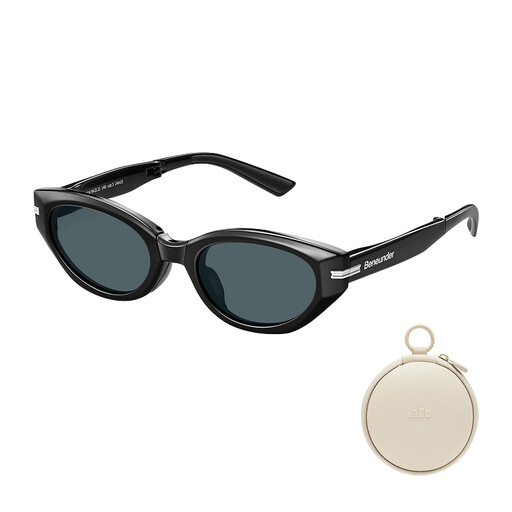
Why it suits this profile: A portable model for everyday use, driving, travelling and short outdoor activities. The cat-eye shape adds style without opting for a large, heavy frame.
The product description mentions UV400 lenses, a foldable design and OAR anti-reflective coating. This means you do not have to choose between compact storage and protection against glare.
TR90 frame, nylon lenses, soft nose and temple pads, and five-point elastic hinges according to the product specifications.
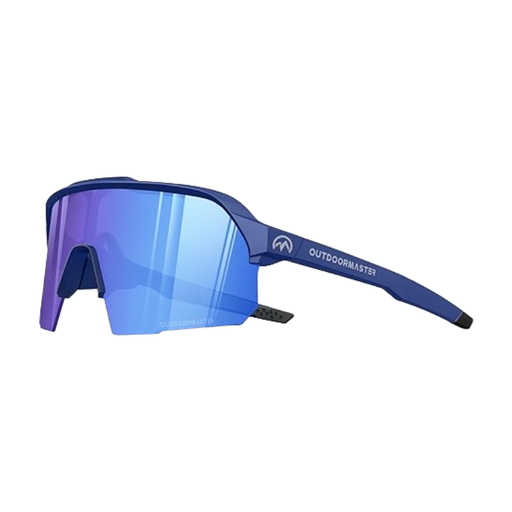
Why it suits this profile: Designed for cycling, fishing, golf, sailing and other activities where glare, movement and a secure fit are important.
The listing mentions polarised lenses, UV400 protection and a clear replacement lens included in the package. This makes the model suitable for different light conditions, but check for yourself that the fit remains secure during your activity.
Lightweight TR90 frame, impact-resistant lens according to the product description, VLT 18% and a protective case with a microfibre cloth.

Why it suits this profile: A practical choice for winter sports enthusiasts looking for OTG ski goggles, anti-fog ski goggles and interchangeable lenses in one set.
The product information mentions ventilation, triple-layer anti-fog foam, OTG compatibility and a magnetic system for quick lens changes. Clean the inner lens only according to the instructions to avoid damaging the coating.
Toric lens design, 100% UV protection according to the product description, replacement lens, protective case and two microfibre cloths.
We have put together a complete, up-to-date list of products that fully meet these strict selection criteria and the applicable European safety regulations.
Sunglasses with UV400 protection remain practical only when the lenses and hinges are properly cared for.
If you wear polarised sunglasses, also be aware of possible limitations with certain LCD screens. Hold the sunglasses in front of your eyes and check beforehand that dashboard and navigation screens remain easy to read.
The UV400 designation means that the lens provides protection against UV radiation up to approximately 400 nanometres. “100% UV protection” is another wording used by some brands. Always check the official product specifications and any compliance information. A dark lens alone is not proof of UV400 protection.
Choose a model with a comfortable fit, clear vision and a lens colour that is not too dark for the conditions. An anti-reflective coating can help reduce distracting reflections. Polarised lenses can be useful in bright conditions, but check that digital screens in the car remain clearly visible.
Ski goggles with an interchangeable lens are practical if you often switch between sunny weather, cloudy conditions and flat light. Also look for OTG space if you wear ordinary glasses, as well as ventilation and anti-fog technology. Before buying, check the fit with your helmet and follow the manufacturer’s care instructions.
