
Vandaag of morgen in huis

Kwaliteit gegarandeerd

Welkomstaanbiedingen ontgrendelen: GRATIS bezorging | Tot 80% korting | Gratis 30 dagen JoyPlus-proefperiode
Download de app
Sunglasses with UV400 protection are not automatically suitable for every situation. You need different features for a bike ride than for driving or travelling. A dark lens may feel comfortable, but on its own it says little about UV protection, fit or visibility in changing light.
Three common pitfalls deserve extra attention:
First, check that the product information clearly states UV400. According to the product descriptions of the models in this selection, the lenses block UV radiation up to 400 nm. Some brands also state a percentage, such as at least 99.8% or 99.9%. Treat such percentages as information from the product specifications or, where stated, based on the brand’s own testing; also check the applicable conformity information.
UV400 is different from lens darkness. For everyday use in the Netherlands, a medium-tinted lens can be practical. A very dark lens is not automatically suitable for driving. When buying, look for the stated visible light transmission, often abbreviated to VLT. A lower VLT generally means that less light is transmitted.
Polarised sunglasses are particularly useful for reflections from water, tarmac or car bodies. This makes them appealing for cycling, boating and sunny outdoor activities. However, check whether the manufacturer distinguishes between polarisation and UV protection: they are two different properties.
Anti-reflective sunglasses use a coating to limit reflections on or around the lens. According to Beneunder’s product description, the OAR coating is designed to reduce reflections. This is a brand claim and not a general guarantee that every user will experience the same view.
Photochromic sunglasses adjust the lens tint according to the amount of UV light, according to the product description. This is useful in changing weather when cycling or walking. One important practical point is that a car windscreen blocks some UV light. As a result, a photochromic lens may not darken as much inside a car as it does outdoors.
Lightweight sunglasses reduce pressure on your nose and temples during prolonged wear. TR90 is a thermoplastic frame material described in the product information for several models as lightweight, flexible and shape-retaining. This is useful product information, but fit remains personal.
Pay particular attention to:
Foldable sunglasses take up little space when travelling or commuting. However, hinges add extra moving parts. Only fold the glasses in the intended way and store them in a pouch or case.
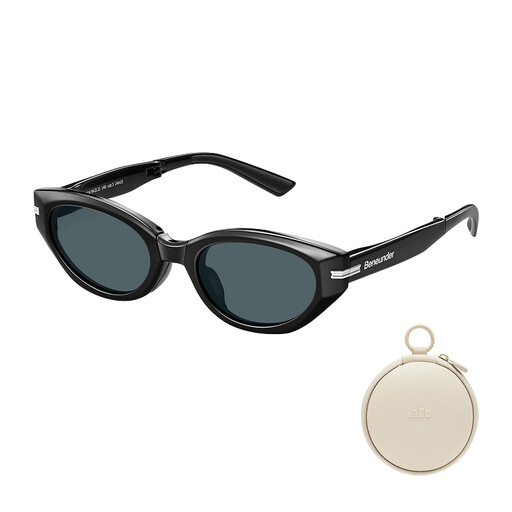
Why it suits this profile: A practical choice for everyday use, walking, travelling and driving when you want a compact pair of sunglasses.
The product description mentions UV400, an OAR anti-reflective coating, soft temple and nose pads, and a folding frame. This means you do not have to rely solely on lens colour or design.
TR90 frame, five-point elastic hinges and a frame width of 5.8 inches according to the product specifications.

Why it suits this profile: Designed for cyclists and other outdoor users who want one pair of sunglasses for different lighting conditions.
The specifications mention both photochromic and polarised lens technology. However, check beforehand whether using them in a car meets your expectations.
TR90 frame, polycarbonate lenses, adjustable nose pads and a stated weight of 26 to 29 grams.
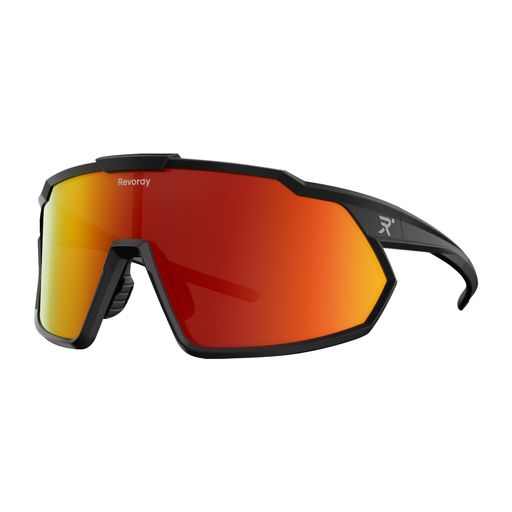
Why it suits this profile: Intended for road cycling, mountain biking and other active outdoor pursuits where stability and low weight are important.
The product information mentions adjustable anti-slip nose pads, anti-slip temples and a weight of approximately 33 grams. These are measurable points to consider when wearing them during movement.
TAC polarised lenses, UV400 according to the product description, water- and oil-repellent coating, and a stated ANSI Z87.1 performance test.
We have compiled a complete, up-to-date list of products that fully meet these strict selection criteria and the applicable European safety regulations.
UV400 indicates that the glasses offer protection against UV radiation up to approximately 400 nm, provided that the product information is reliable and the glasses have been manufactured correctly. Also check the conformity information, lens category and instructions for use. UV400 does not automatically say anything about polarisation, impact resistance or suitability for driving.
Their lifespan depends on use, hinges, lens coating and care. Scratches, a bent frame or loose nose pads can limit their usability. Rinse off dirt with water first, use a soft microfibre cloth and store the glasses in a protective case. Do not use harsh alcohol-based or abrasive products if the manufacturer advises against them.
They can be useful when dealing with reflections on wet tarmac, but always check the lens category and visible light transmission. A lens that is too dark is not suitable for every time of day. Also check that you can read the dashboard and navigation screen clearly. A photochromic lens may change tint less inside a car because the windscreen blocks UV light.
Cycling glasses often have a wraparound design, anti-slip parts, a low weight and lenses that protect against wind and dirt. Ordinary sunglasses are generally more versatile for everyday use. For intensive sports, check what impact-resistance and safety information is actually provided for the product. No sports glasses are unbreakable or intended for tasks such as grinding, welding or machining.
