
Vandaag of morgen in huis

Kwaliteit gegarandeerd

Welkomstaanbiedingen ontgrendelen: GRATIS bezorging | Tot 80% korting | Gratis 30 dagen JoyPlus-proefperiode
Download de app
Sunglasses with UV400 protection need to offer more than just a dark frame and a fashionable colour. In the UK, bright sunlight, cloud cover and reflections can change rapidly. So if you’re buying sunglasses for cycling, driving, travelling or everyday wear, it pays to look closely at the lens specifications, fit and portability.
Marketing terms can be confusing. A polarised lens, for example, is not automatically the same as UV400 protection. And a lightweight pair of sunglasses may feel comfortable, but still be unsuitable if the frame shifts when you move. Below are the key points to consider, along with some popular choices for different situations.
A dark lens on its own says nothing about the level of UV filtering. Always check whether the product information explicitly states UV400 protection. UV400 refers to filtering of ultraviolet radiation up to around 400 nanometres. Also look to see if the seller provides details about the lens materials and relevant product safety.
A photochromic or mirrored lens may look technical, but without clear specifications it’s difficult to assess how it actually performs.
A polarised pair of sunglasses can reduce glare from wet roads, water and metal surfaces. That’s useful for cycling, boating and driving. However, polarisation does not automatically replace a UV filter, and it can affect the readability of some LCD screens.
For driving, the colour and light transmission are also important. A very dark sports lens is not always practical in tunnels, on shaded roads or in changeable weather.
A foldable pair of sunglasses is handy for a jacket pocket or hand luggage, but hinges and folds require careful use. Check whether the product information states that the frame is designed for compact storage, and always use a case.
Coatings also deserve attention. An anti-reflective coating can reduce reflections on the lens surface, while a scratch-resistant coating is intended to limit everyday wear and tear. No coating makes lenses indestructible. So don’t place your sunglasses loose next to keys, and clean the lenses with a soft microfibre cloth.
Look for a clear mention of UV400, not just words like “sun protection” or “dark lenses”. In the product descriptions of the models below, UV400 protection is stated. Claims about percentages, coating performance or impact resistance come from the information provided by the respective brands and should be read as product specifications, not as a universal guarantee for every use.
A pair of sunglasses is not a safety goggle. Do not use ordinary sports sunglasses for grinding, machining, welding or direct observation of the sun.
A frame should not pinch at the temples, but it should also not slide forward easily. Pay attention to the frame width, nose bridge, temple length and weight. A TR90 frame is often chosen for its combination of low weight and flexibility. For sport, anti-slip nose pads and grip on the temples are especially relevant.
An oversized pair of sunglasses typically covers a larger area of the face, while a cat-eye pair is primarily a distinctive style choice. Always check the dimensions, because “one size” does not mean every fit feels the same.
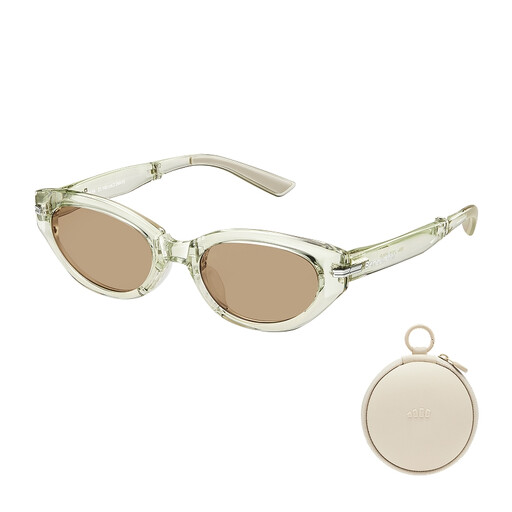
Why this fits the profile: These foldable sunglasses combine a distinctive cat-eye shape with a compact design for everyday use, driving and travel.
The product information states UV400 protection, anti-reflective coating and a protective case. This makes the specifications easier to verify than with just a dark lens.
TR90 frame, nylon lenses, air-cushion nose pads and a five-point flexible hinge according to the product description.

Why this fits the profile: Ideal for anyone who wants a roomy oversized shape, low weight and easy storage combined with a stylish look.
The listed specifications mention UV400, anti-reflective coating and a scratch-resistant protective layer. According to the product information, the model folds to 35 mm thick.
Stated weight of 26 g, TR90 frame and nylon lenses with OAR anti-reflective coating.
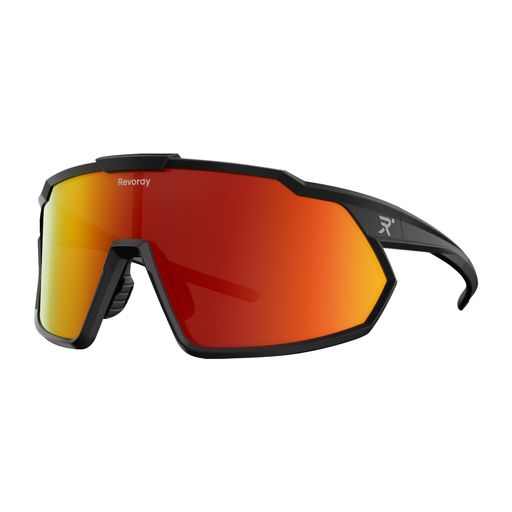
Why this fits the profile: A practical pair of cycling glasses for road cycling, mountain biking and other activities where stability and reduced glare are important.
According to the product information, this model features TAC polarisation, adjustable anti-slip nose pads and a stated light transmission of approximately 15.2%.
Stated weight of approximately 33 g, TR90 frame, water- and oil-repellent layer and mention of ANSI Z87.1 testing by the manufacturer.
We’ve put together a full, up-to-date list of products that fully meet these strict selection criteria and comply with current European safety regulations.
UV400 is a relevant product specification for filtering UV radiation up to around 400 nanometres. Always check that this information is clearly stated for the specific model. The tint, fit and lens quality also determine comfort in use.
They can be, especially for reducing glare from wet roads or other smooth surfaces. However, pay attention to the lens colour, light transmission and visibility of dashboard screens. According to the product information for some models, a photochromic lens may darken less strongly inside a car.
The lifespan depends on storage, cleaning, hinges and usage. A pair of sunglasses with scratch-resistant lenses does not automatically stay free of damage. Store the model in a case, fold a foldable pair carefully, and replace the product when the lenses or frame obstruct your vision.
