
Vandaag of morgen in huis

Kwaliteit gegarandeerd

Welkomstaanbiedingen ontgrendelen: GRATIS bezorging | Tot 80% korting | Gratis 30 dagen JoyPlus-proefperiode
Download de app
A pair of sunglasses with UV400 protection can be a sensible choice on sunny days, when cycling, or if you spend a lot of time outdoors. Yet a striking lens colour or the term "sport" doesn't automatically tell you enough about whether a model is suitable. If you focus only on looks or a discount, you could end up with a pair that slips, scratches easily, or doesn't darken enough when you're driving.
In this buying guide, the Joybuy Product Recommendation Officer highlights the key points to check. The selection is based on verifiable product specifications such as lens material, weight, UV400 rating, polarisation, dimensions and included accessories.
UV400 and polarisation serve different purposes. UV400 refers to protection against ultraviolet light up to around 400 nanometres. Polarisation is designed to reduce annoying reflections, for example from wet tarmac, water or metal surfaces. So a polarised pair of sunglasses is not automatically adequately protected against UV radiation – check both features separately.
Also pay attention to the wording. According to the product information from the brands in this selection, the models in question are fitted with UV400 protection. That is a product claim and not a guarantee that every pair of sunglasses with a similar marketing term delivers the same performance.
A very dark lens can be pleasant in bright sunlight, but it isn't practical in every situation. The VLT value indicates how much visible light the lens lets through. A model with around 15.2% VLT is mainly aimed at bright conditions. For changeable weather, a lighter or photochromic lens may be more convenient.
Do not use ordinary sunglasses for directly observing the sun, a solar eclipse, welding work, or activities that require certified eye protection.
A lightweight frame is nice, but fit is at least as important. Pay attention to:
A pair that looks light on paper can still become uncomfortable if the pressure points don't suit your face properly.
Look for a clear mention of UV400 or protection against UVA and UVB radiation. Also check the lens material. Nylon, TAC and polycarbonate are common in lightweight sunglasses and sports models. Manufacturers may mention additional coatings, such as an anti-reflective layer, scratch-resistant layer, or water- and oil-repellent finish.
According to the product information from Beneunder, the FD315 models feature nylon lenses, UV400 and an OAR anti-reflective coating. The FD421 also mentions a UV400 coating, with a weight of 26 grams.
A pair of sunglasses for glare is especially relevant when driving on wet roads, cycling in the sun, and activities on or near water. Polarised TAC or polycarbonate lenses can reduce reflections according to the product description. Bear in mind that polarisation doesn't make every display equally easy to read. So check whether you often read a navigation screen, cycle computer or phone.
For everyday use, a lightweight pair of sunglasses with a TR90 frame can be comfortable. TR90 is a thermoplastic material that is described in the product information of several models as light, flexible and shape-retaining. That makes it interesting for a cycling or sports pair, but also look at the fit and how it fastens.
A foldable model is handy in a jacket pocket or travel bag. However, the hinge remains a moving part. So only fold the glasses in the intended way and store them in a pouch or case.
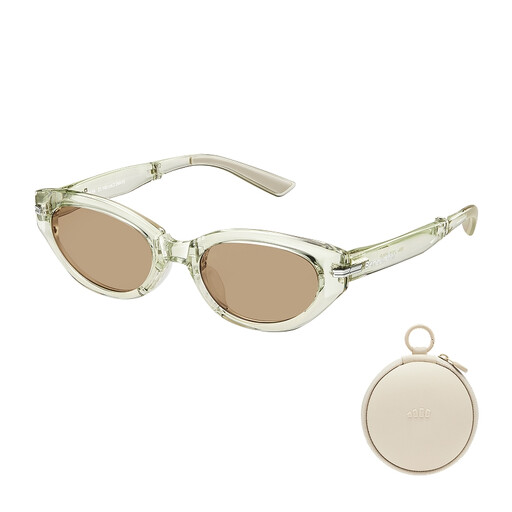
Why this fits the profile: This cat-eye model combines a striking frame with a foldable design for everyday use, travel and short car journeys.
The specifications mention UV400, an OAR anti-reflective coating and a frame width of 5.8 inches, so you don't have to rely solely on colour or shape.
TR90 frame, nylon lenses, soft arms and a five-point elastic hinge.
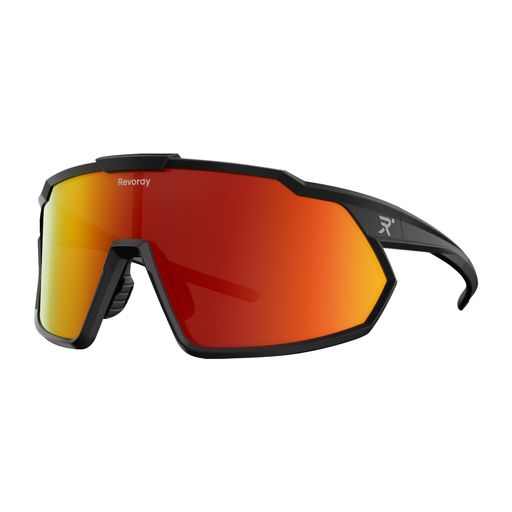
Why this fits the profile: A targeted choice for cyclists who value low weight, polarisation and a stable fit during longer rides.
The product information mentions around 15.2% VLT alongside UV400, so you can better assess the lens choice for bright weather.
TAC polarised lenses, TR90 frame, approximately 33 grams and adjustable anti-slip nose pads.

Why this fits the profile: Suitable for users who want to cope with changing light conditions when cycling, running or on outdoor trips.
According to the product description, the lens combines photochromic and polarised technology. Bear in mind that a windscreen can filter UV, which may mean the lens darkens less in the car.
TR90 frame, polycarbonate lenses, UV400, photochromic function and adjustable nose pads.
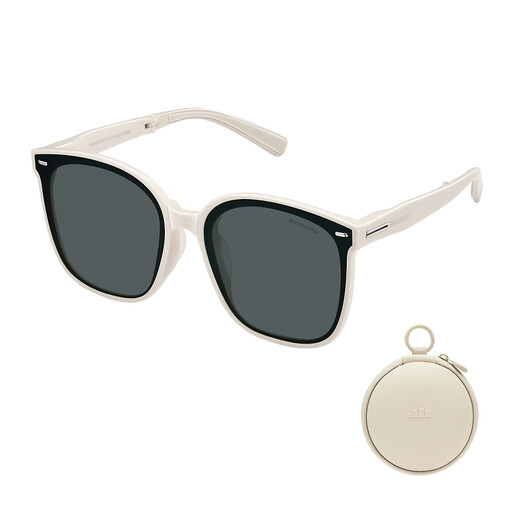
Why this fits the profile: A roomy, lightweight pair of sunglasses for holidays, commuting and use on the go, when storage space matters.
The model states concrete values: 26 grams weight, a folded thickness of 35 mm, UV400 and an anti-reflective coating.
TR90 frame, oversized fit, tri-fold design and nylon lenses with UV400 coating.
We've put together a full, up-to-date list of products that fully meet these strict selection criteria and current European safety regulations.
The lifespan depends on use, hinges, coatings and storage. Clean lenses with water and a soft microfibre cloth. Do not use harsh alcohol or abrasive wipes if the product information advises against it. Store the glasses in a hard case, especially with a foldable model.
Replace the sunglasses when the lens is clearly scratched, cracked or distorted. Damage can affect your vision. Moreover, a pair of sunglasses is not a substitute for certified safety glasses when working with flying particles.
UV400 indicates that the sunglasses block UV radiation up to around 400 nanometres according to the product labelling. Also check the product information, fit and any European conformity information. UV400 on its own says nothing about polarisation, lens darkness or impact resistance.
They can be, especially when reflections from the road surface or other surfaces are bothersome. However, do check the lens category and visibility in tunnels, cloudy conditions and at dusk. A photochromic pair of sunglasses may darken less in a car because the windscreen blocks UV radiation.
That varies by model and use. A pair can last longer if you store them in a case, don't force the hinges, and clean the lenses with a soft cloth. If there are scratches, cracks or a loose frame, it's wiser to replace them than to keep using them.
