
Vandaag of morgen in huis

Kwaliteit gegarandeerd

Welkomstaanbiedingen ontgrendelen: GRATIS bezorging | Tot 80% korting | Gratis 30 dagen JoyPlus-proefperiode
Download de app
Choosing a pair of UV400 sunglasses might seem straightforward, but models can vary significantly in their lenses, fit and ease of use. For example, sports sunglasses that are comfortable for a bike ride aren't automatically suitable for driving. Similarly, a dark lens on its own says very little about UV protection.
If you're searching online for UV400 sunglasses, it's a good idea to check the key specifications first. This will help you avoid paying for a striking frame only to find the glasses are too heavy, unstable or impractical after a few weeks.
A grey, brown or coloured lens can make bright light more comfortable, but the colour doesn't indicate how much UV radiation is blocked. That's why you should look for a clear mention of UV400 protection in the product specifications. Also, check that the information comes from the manufacturer and whether a conformity or certification statement is available.
Polarised sunglasses primarily reduce distracting glare from surfaces like wet asphalt, water and metal. This can be practical for cycling, fishing or driving. However, polarisation is a lens property and is not automatically the same as UV400 protection. Be sure to check for both features separately.
Photochromic sunglasses adjust their tint based on the amount of UV light. According to the product description for several OutdoorMaster models, for instance, the lens colour ranges from category 0 to category 3. Inside a car, the lenses may not darken as much because the windscreen blocks some of the UV light. For sunglasses for driving, a fixed, not-too-dark tint can therefore be more practical.
UV400 refers to protection against UV radiation up to a wavelength of 400 nanometres. When buying, look beyond the product title and also check:
The product information remains your most important source. Phrases like “100% UV protection” or a stated UV-blocking percentage are brand claims. You should therefore read these as manufacturer's data, not as a universal guarantee for every pair of sunglasses.
Sunglasses with anti-glare can use various techniques. According to the product description, a polarised TAC or polycarbonate lens filters out a portion of reflected light. An anti-reflective coating, such as the OAR found on some Beneunder models, is designed to reduce reflections on the lens surface itself.
Note the difference:
For wet British cycle paths, polarisation can be useful. When driving, it's important that the lenses are not too dark and that you can still clearly see traffic information, your dashboard and oncoming traffic.
Lightweight sunglasses prevent pressure on your nose and temples during prolonged wear. TR90 is a thermoplastic material mentioned in the product descriptions of several models for its flexibility and shape retention. That makes TR90 sunglasses an interesting option for sports and travel, but the material alone doesn't tell you if the fit is right for your face.
Therefore, you should check:
Cycling glasses need to stay securely in place when you're leaning forward. For daily use, a simpler frame might be more comfortable. A pair of women's sunglasses doesn't need to be judged any differently from a men's model: fit, lens coverage and finish are more important than the marketing category.
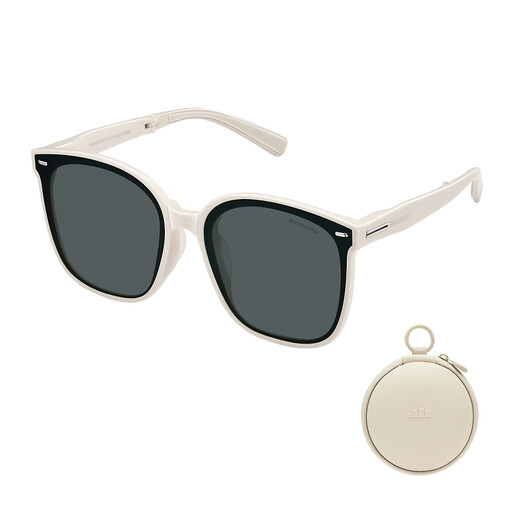
Why it fits this profile: The foldable design is handy for daily use, travelling, and keeping a spare pair in your bag. According to the product description, this model weighs 26 grams.
The product information mentions UV400 and an anti-reflective coating separately. So you don't have to rely on the lens colour alone.
TR90 frame, foldable design and UV400 lenses with an OAR anti-reflective coating, according to the product description.
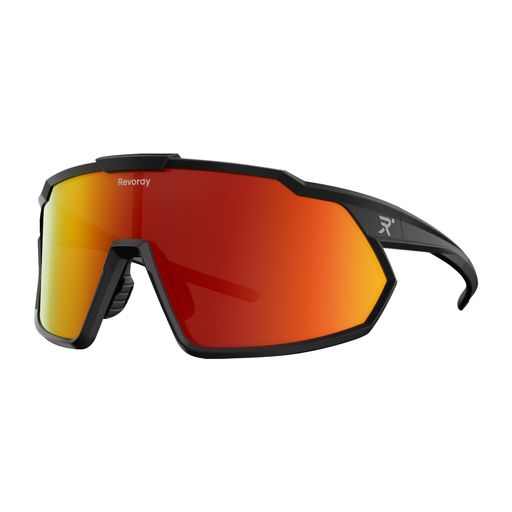
Why it fits this profile: This model is aimed at cyclists who care about weight, grip and reflections from the road surface or water. The stated weight is approximately 33 grams.
The product description mentions UV400, polarisation, adjustable non-slip nose pads and a stated light transmission of around 15.2%.
TAC polarised lens, TR90 frame, water- and oil-repellent coating and mention of the ANSI Z87.1 performance test by the manufacturer.

Why it fits this profile: The combination of photochromic and polarised technology is aimed at cyclists and outdoor sports enthusiasts who frequently switch between different light conditions.
The specifications separately list UV400, polarisation and automatic tint adjustment. Note: according to the product information, the lens may not darken as much inside a vehicle.
TR90 frame, adjustable nose pads, polycarbonate lenses and a stated weight of around 26 to 29 grams.
Your sunglasses will last longer if you don't rub the lenses dry with your clothing. First, rinse off any sand and dust with clean water, then use a soft microfibre cloth. Store the glasses in the case provided, especially in a cycling bag or car. Avoid alcohol, harsh cleaning agents and high temperatures, as these can damage coatings or plastic.
Replace your glasses if the lenses show deep scratches, cracks or obvious distortion. According to product warnings, an impact-resistant lens is not unbreakable and is not intended for tasks such as grinding, machining or welding.
We've put together a complete, up-to-date list of products that fully meet these strict selection criteria and comply with current European safety regulations.
UV400 is a key product specification for protection against UV radiation up to 400 nanometres. In addition, you should check the product information, fit and any safety markings. The tint of the lens does not determine the level of UV protection on its own.
They can be, especially when reflections on wet roads are a nuisance. For driving, choose a lens that is not too dark and check if the model is suitable for use behind a windscreen. According to manufacturers, a photochromic lens may not darken as much in that environment.
That depends on use, storage and maintenance. According to product information, UV400 protection and coatings can be part of the lens construction, but visible damage is a reason to replace the glasses. Check the lenses regularly for scratches and cracks.
