
Vandaag of morgen in huis

Kwaliteit gegarandeerd

Welkomstaanbiedingen ontgrendelen: GRATIS bezorging | Tot 80% korting | Gratis 30 dagen JoyPlus-proefperiode
Download de app
UV400 sports sunglasses do not automatically protect you from every problem you may encounter on the move. A lens may filter UV radiation yet still feel uncomfortable, fog up quickly or provide insufficient protection against glare. You notice the difference particularly when cycling, running or driving: a carefully chosen model performs very differently from sunglasses that simply look good in the product photo.
So, look beyond the frame colour. These points will help you assess marketing claims more effectively.
UV400 refers to protection against ultraviolet light up to 400 nanometres. On its own, this says little about glare, contrast or comfort. Polarised sunglasses are designed to reduce certain reflections, such as those from wet tarmac, water or car windows. These properties are not the same.
Check whether the product information mentions both UV400 protection and polarisation. If it only describes “filtered light” or “clear vision” without any technical details, it remains unclear exactly what you are buying.
According to the product specifications, impact-resistant sports sunglasses may be better able to withstand everyday knocks or small flying particles. That does not make the model suitable for grinding, machining, welding or other activities involving a high risk to your eyes.
The OutdoorMaster models explicitly state that the lenses are impact-resistant but not shatterproof. So, only use sports sunglasses for the stated recreational activities, and replace them when a lens is visibly damaged or heavily scratched.
Lightweight sunglasses are comfortable during a long bike ride or running session, but weight alone does not determine whether the sunglasses will stay securely in place. Also consider:
A model that is too loose may shift while cycling. One that is too tight may put pressure on your temples after a while.
For UV400 sports sunglasses, this designation should be clearly stated in the product specifications. According to the product information for the selected models, the lenses provide UV400 protection. Some models also mention additional percentages, such as blocking UV radiation or reducing glare. These figures come from information supplied by the brand or retailer and should not be considered separately from the other specifications.
UV400 does not automatically mean that a lens is optically perfect. So, also look at the lens material, coating and any information about visible light transmission, or VLT.
Choose the lens according to how you intend to use it:
According to OutdoorMaster’s own product information, the HawkSharp photochromic lens switches between category 0 and category 3, depending on UV exposure. This is a product specification, not a guarantee that the lens will change tint equally quickly or completely in every situation.
TR90 sunglasses use a thermoplastic frame described in the product information as lightweight and shape-retaining. However, the precise fit depends on the design, dimensions and nose pads.
TAC, polycarbonate and nylon lenses each have their own characteristics. Polycarbonate is combined with impact resistance in several sports models. According to the product specification, the Beneunder FD421 uses a nylon lens with a UV400 coating. Also check whether a protective case is included. A soft microfibre cloth and a hard case can help limit scratches during transport.
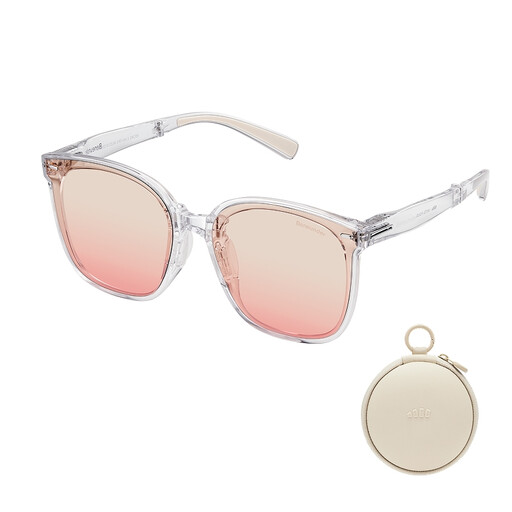
Why it suits this profile: According to the product specifications, these sunglasses weigh 26 grams and fold down to approximately 35 mm thick. This makes them practical for everyday use, travelling and keeping in your bag as a spare pair.
The product information specifies the frame and lens materials, weight and UV400 coating, rather than making only a general style claim.
TR90 frame, nylon lenses, foldable design and an anti-reflective coating according to the product information.
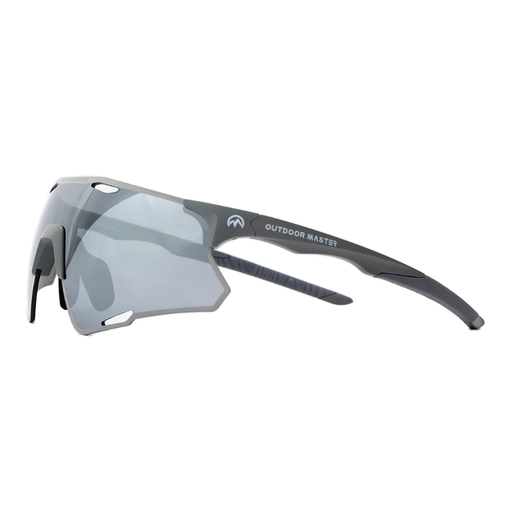
Why it suits this profile: This model is designed for cyclists and multisport users who value a secure fit and clear vision during exercise.
The ventilation, adjustable nose pads and stated dimensions make the fit easier to assess than a vague claim about comfort.
According to the product specifications: 25.5 grams, a polarised polycarbonate lens, UV400 and anti-fog ventilation.
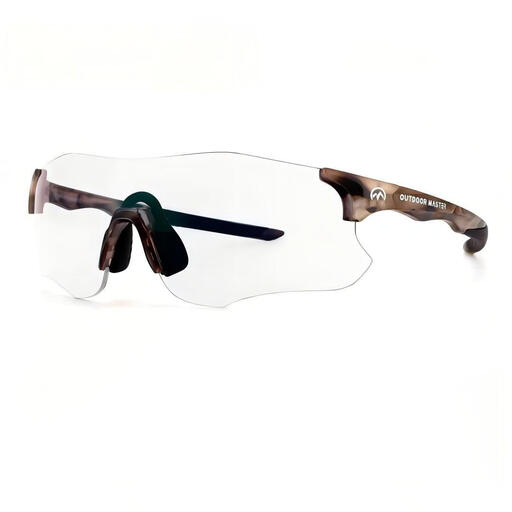
Why it suits this profile: According to the product information, the photochromic lens is designed for changing light conditions while cycling and taking part in other outdoor sports.
The stated lens categories from 0 to 3 provide more information about the intended tint change than the term “smart lens” alone.
TR90 frame, HD lens, UV400 according to the product description and an EVA case included.
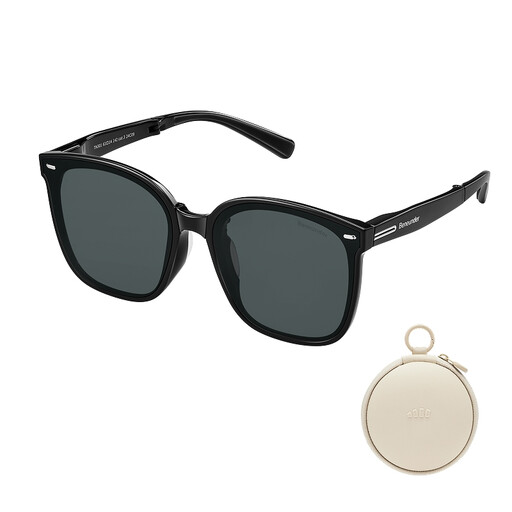
Why it suits this profile: The foldable design takes up little space, making these sunglasses suitable for commuting, travelling and keeping in the car when you want to carry a compact pair.
The stated dimensions, 26-gram weight and anti-reflective coating make the practical features easy to verify.
TR90 frame, tri-fold design, nylon lenses and UV400 and anti-glare properties according to the product information.
We have put together a complete, up-to-date list of products that fully meet these strict selection criteria and the applicable European safety regulations.
Clean the lenses with a soft microfibre cloth, not a sleeve or paper tissue. Store the sunglasses in the supplied case, especially when placing them in a bike bag, rucksack or glove compartment. Fold and unfold foldable sunglasses carefully to avoid putting unnecessary strain on the hinges and frame.
Do not use sports sunglasses for looking directly at the sun, viewing a solar eclipse, welding arcs or laser radiation. Even a model with impact-resistant lenses is not a replacement for certified safety glasses when carrying out hazardous work.
According to the product designation, UV400 sports sunglasses are designed to filter UV radiation up to 400 nanometres. For cycling or running, a secure fit is also important. If you are particularly bothered by reflections, you may wish to consider polarised lenses.
Their lifespan depends on use, storage and scratches. There is no fixed period that applies to every model. Replace the sunglasses when the lens is damaged, the coating is visibly wearing away or the frame no longer fits properly. Regular cleaning and storing them in a hard case can help prevent unnecessary damage.
They can be practical when dealing with glare from wet roads or other reflective surfaces. However, make sure the lens colour and light transmission are suitable for your driving conditions. A very dark lens is not convenient at every time of day. Always check the specific product specifications before choosing sunglasses for driving.
