
Vandaag of morgen in huis

Kwaliteit gegarandeerd

Welkomstaanbiedingen ontgrendelen: GRATIS bezorging | Tot 80% korting | Gratis 30 dagen JoyPlus-proefperiode
Download de app
Cycling glasses with UV400 protection are designed, according to the product specifications, to protect your eyes from UV radiation, but that is not the only thing to consider. During a long ride in the Netherlands, you may also encounter wind, rain, dust, low sunlight and reflections on wet tarmac. Glasses that appear to offer plenty of features on paper can still feel uncomfortable in practice or fog up quickly.
The biggest purchasing mistakes usually come down to three pitfalls:
Below, you’ll find out which features can be verified and which type of cycling glasses best suits your needs.
According to the product information for the models mentioned, UV400 protection is intended to block UV radiation up to 400 nanometres. Always check that this feature is listed for the specific model. A mirrored coating or dark colour alone does not say enough about UV protection.
Also pay attention to the lens category or VLT value. VLT stands for visible light transmission – in other words, how much visible light the lens allows through.
Photochromic lenses are useful for rides that take you from open polder roads to shady dykes or woodland paths. Bear in mind that, according to the product warning, a lens may not become as dark inside a car because the windscreen blocks UV light.
According to the product description, polarised cycling glasses filter some reflected light. This can be useful over water, on wet roads, metal crash barriers and light-coloured paving. If you often cycle in bright sunshine, it may therefore be worth considering cycling glasses with polarised lenses.
Polarisation does not mean that all distracting light disappears. A very dark lens may also be less suitable on a cloudy autumn day or when descending through a dark forest. Look at the combination of polarisation, VLT and your usual cycling route.
According to the product specifications, the Revoray models use TAC polarised lenses with visible light transmission of approximately 15.2%. This indicates a lens intended for relatively bright conditions. According to the product information, the OutdoorMaster LARK SV uses polarised polycarbonate lenses and a ventilated lens design.
TR90 cycling glasses use a thermoplastic frame that is described in the product specifications as lightweight and flexible. The material may contribute to a stable fit, but the shape of the nose bridge and the length of the arms remain at least as important.
When comparing products, check:
Lightweight cycling glasses weighing between 25.5 and 33 grams can feel comfortable on long rides. However, the glasses should not be so loose that you have to keep readjusting them. A stable fit is especially important for mountain biking because of vibrations on uneven ground.
The selection below is based on listed specifications, such as UV400, lens material, weight, lens function and adjustability. Brand information about protection or certification is not presented here as an independently verified result.
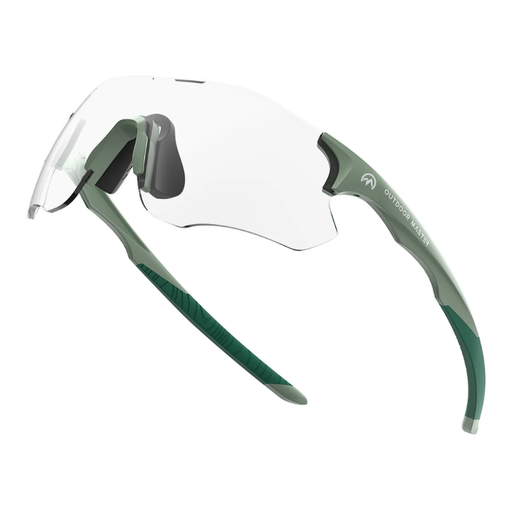
Why it suits this profile: The combination of a photochromic lens and TR90 frame is practical for anyone looking to use one pair of glasses on recreational bike rides in changeable light conditions.
The product specification lists UV400, a Cat.0-to-Cat.3 photochromic lens and an anti-slip gel for a secure fit. However, check the tint on your route before planning a long ride.
TR90 frame, HD lens, supplied EVA case and replaceable nose pad according to the product description.
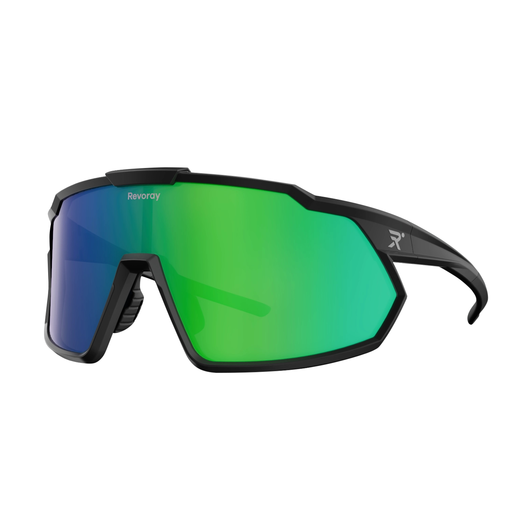
Why it suits this profile: These cycling glasses are aimed at riders who mainly cycle in bright conditions and value low weight and additional lens coatings.
The listed VLT of approximately 15.2% makes it clear that this lens is primarily intended for bright light, rather than all weather conditions.
According to the product information: approximately 33 grams, TR90 frame, adjustable silicone nose pads, water- and oil-repellent coating, and listed ANSI Z87.1 testing status.
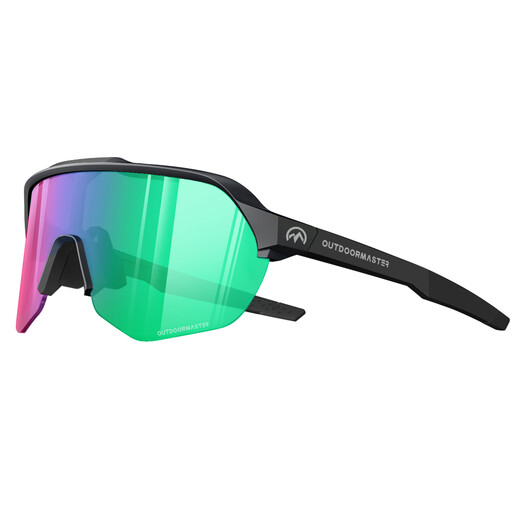
Why it suits this profile: The interchangeable clear lens is useful for cyclists riding in different light levels, for example on road cycling and mountain biking routes.
You are not limited to one dark lens: according to the product specification, a clear replacement lens is also included. The description also lists UV400 and a TR90 frame.
Polarised lens, 48% VLT for the specified model, clear replacement lens, case and cleaning cloth according to the product information.
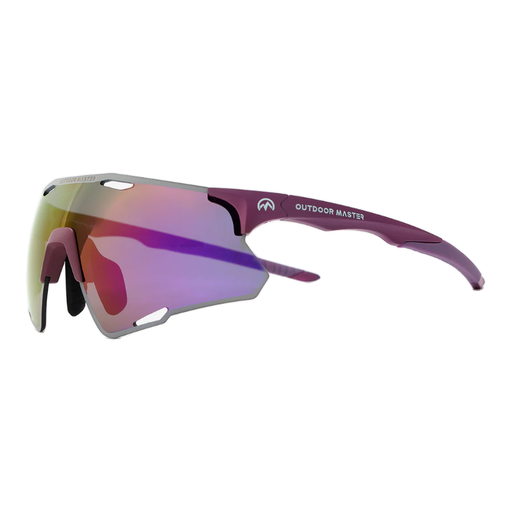
Why it suits this profile: These lightweight cycling glasses are designed for long rides and intensive activity, with ventilation, adjustable nose pads and a low listed weight.
The product description mentions a ventilated lens design to help prevent condensation and adjustable nose pads. This helps with the fit, but always check that the shape suits your face.
According to the product specifications: 25.5 grams, UV400, polarised polycarbonate lenses, ventilation and a supplied inner clip for prescription lenses.
We have put together a complete, up-to-date list of products that fully meet these strict selection criteria and the applicable European safety regulations.
When making your purchase, also consider maintenance. Rinse sand and salt deposits off with clean water before cleaning the lens with a soft cloth. Do not use alcohol or harsh cleaners if the product information warns against them. Store the glasses in a hard case and replace them as soon as the lens becomes deeply scratched or damaged.
Sports glasses for cycling must not be used as protection against grinding, welding, laser radiation or other high-impact work. The stated impact resistance of sports glasses does not mean that the lenses are shatterproof.
UV400 is an important product specification, but it is not the only purchase criterion. Also consider the lens category, VLT, fit, ventilation and impact resistance. According to the product descriptions in this selection, UV400 is listed for several models; always check this on the product page for your chosen version.
That depends on the lens colour and VLT. A dark, polarised lens with a low VLT is mainly suitable for bright weather. For changeable conditions, photochromic cycling glasses or a model with interchangeable lenses may be more practical.
Their lifespan depends on use, care and storage. A frame may last longer than the lens coating. Replace the glasses when the lenses are visibly scratched, the coating starts to peel or the fit is no longer stable. When buying, also check the stated warranty terms; limited warranties are listed for some models.
