
Vandaag of morgen in huis

Kwaliteit gegarandeerd

Welkomstaanbiedingen ontgrendelen: GRATIS bezorging | Tot 80% korting | Gratis 30 dagen JoyPlus-proefperiode
Download de app
Unpredictable weather demands smart preparation. One moment the sun is shining, the next it's pouring rain. It's easy to make a poor purchase: an umbrella that inverts at the first gust of wind, or a sun-blocking model that offers little real-world protection. A quality UV umbrella is an investment in comfort and protection, suitable for both sunny and rainy days. This guide will help you make an informed choice based on key product specifications.
When selecting an umbrella that is effective against both sun and rain, several key specifications are crucial. Focusing on these details will help you avoid a disappointing purchase.
The most important feature of a sun-protective umbrella is its level of UV protection. This is expressed in the UPF (Ultraviolet Protection Factor) rating. An umbrella with a UPF 50+ rating is certified to block over 99% of harmful UV rays. This is typically achieved with a special coating, such as a black vinyl layer (black coating) on the underside, which absorbs light and provides thermal insulation.
For anyone frequently on the move, size and weight are critical factors. A compact umbrella or mini umbrella that easily fits into a handbag, backpack, or even a coat pocket is ideal. Pay attention to the folded length (ideally under 25 cm) and the weight. Lightweight materials such as aluminum and fiberglass create a portable design without compromising on durability.
A wind-resistant umbrella is an essential, not a luxury. The frame's construction is the deciding factor. A frame made from a combination of fiberglass and an aluminum alloy offers a good balance between flexibility and strength. Fiberglass ribs can bend without breaking, allowing the umbrella to withstand a strong gust of wind.
The canopy must not only block UV rays but also be water-repellent and durable. Fabrics with a high density (expressed in 'D', such as 30D or 20D) are often lightweight yet strong. A water-repellent coating ensures that raindrops slide right off, allowing the umbrella to dry quickly.
Based on the criteria above, we have selected models that excel in functionality and design.
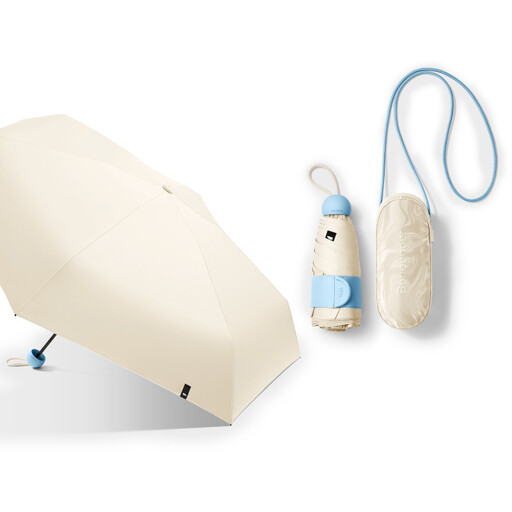
Why this product? The Beneunder BM525 is designed for maximum portability. With its unique capsule case and extremely compact size, this is a popular choice for daily commutes and travel.
Benefits:
Who is this for? Ideal for the commuter, student, or traveler looking for a reliable and highly compact travel umbrella that fits effortlessly into any bag.
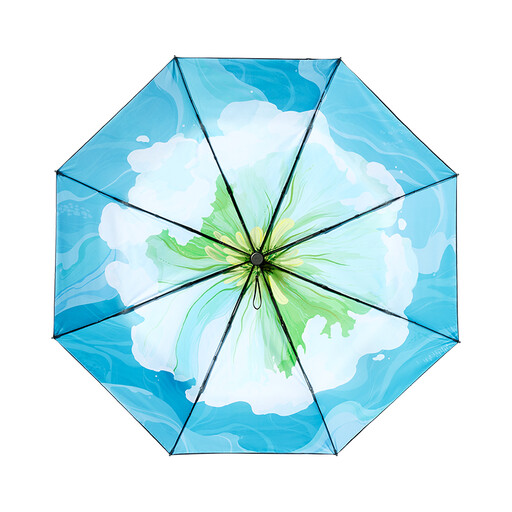
Why this product? This model combines a large canopy for maximum coverage with a double-layer design for extra protection against sun and heat. The floral print on the inside adds an elegant detail.
Benefits:
Who is this for? Suitable for those seeking maximum protection from both sun and rain, who also value ample coverage and a stylish appearance.
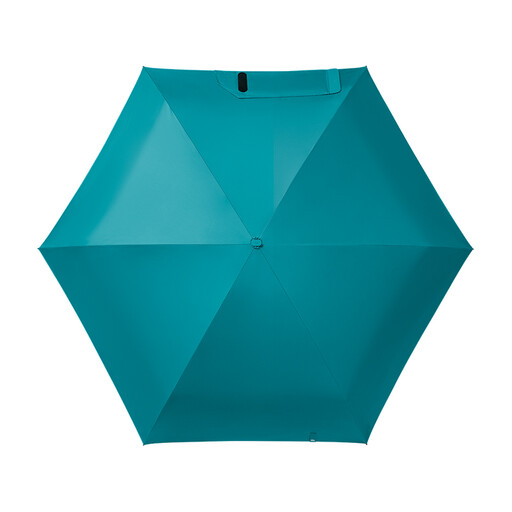
Why this product? The Beneunder BM666 is designed as an ultra-light and thin folding umbrella. Its 'card-style' design makes it flat and space-saving, perfect for minimalist travelers.
Benefits:
Who is this for? Perfect for the minimalist seeking a functional umbrella with UV protection that takes up virtually no space or weight in a small bag or even a coat pocket.
The models above focus on a balance between UV protection, compactness, and design. Are you looking for a model that prioritizes storm resistance, or are you curious about other designs? Then check out our full collection of windproof umbrellas.
1. What is the difference between a regular umbrella and a UV umbrella? A UV umbrella is specifically designed to provide protection against ultraviolet radiation. This is achieved through a canopy with a higher weave density and a special coating (often a black layer on the underside) that absorbs and blocks UV rays. Its effectiveness is indicated by a UPF rating. A standard rain umbrella typically offers much lower and non-guaranteed protection from the sun.
2. How do I maintain my UV umbrella for a longer lifespan? To preserve the shape and protective coatings, it is recommended to let the umbrella dry completely open after use in the rain. Shake off excess water and avoid folding a wet umbrella. If necessary, clean the canopy with a damp cloth. Store the dry umbrella in its provided case to protect it from wear and tear.
3. Is a compact, folding umbrella sturdy enough for windy weather? Modern compact umbrellas are often surprisingly robust. Their sturdiness depends on the materials used. Models with a fiberglass and aluminum frame are designed to be flexible, absorbing gusts of wind without immediately breaking or inverting. While a large, non-folding storm umbrella is generally stronger, a well-designed wind-resistant travel umbrella offers sufficient durability for most weather conditions in the city or while traveling.
