
Vandaag of morgen in huis

Kwaliteit gegarandeerd

Welkomstaanbiedingen ontgrendelen: GRATIS bezorging | Tot 80% korting | Gratis 30 dagen JoyPlus-proefperiode
Download de app
An umbrella is essential in the Netherlands. But while we typically arm ourselves against the rain, we often forget an equally important function: protection from the sun. A good UV umbrella isn't an unnecessary luxury; it's a smart investment in your skin and comfort. However, the market is flooded with models that over-promise and under-deliver. Before you make a choice, it's helpful to know where the pitfalls lie.
Many consumers fall into one of these three common traps:
To avoid a bad purchase, focus on a few objective and verifiable specifications. These features determine whether a UV umbrella is worth the money.
The most important factor for a sun protection umbrella is the Ultraviolet Protection Factor, or UPF. This value indicates how much UV radiation is blocked by the fabric.
Always choose an umbrella with UPF 50+ certification. Brands like Beneunder use a special black coating (L.R.C Black Coating) for this, which, according to their specifications, blocks over 99% of radiation and simultaneously reflects heat for a cooling effect.
A sturdy frame is essential. Look for the following materials and features:
A wind-resistant umbrella isn't designed for a storm, but it must be able to withstand a strong gust of wind at a train station or on an open street without breaking immediately.
For those who are always on the go, a compact umbrella and a travel umbrella are synonymous with convenience. Pay attention to:
A folding umbrella that is both compact and light becomes a natural part of your daily carry.
Not every UV umbrella is right for everyone. Below is a selection tailored to different user profiles.

Why This Fits Their Persona: Ideal for those who commute daily via public transport or bike to the office. This model is designed to fit in any bag or even a coat pocket, so you're always prepared for an unexpected shower or harsh sun.
This model sidesteps the 'impractical purchase' trap. Weighing only 170 grams with a folded length of about 15.5 cm, it's extremely portable without compromising on a UPF 50+ rating and a sturdy frame.
Extremely compact and lightweight ('card-style' design). Offers dual function for sun (UPF 50+) and rain, with a quick-drying canopy.
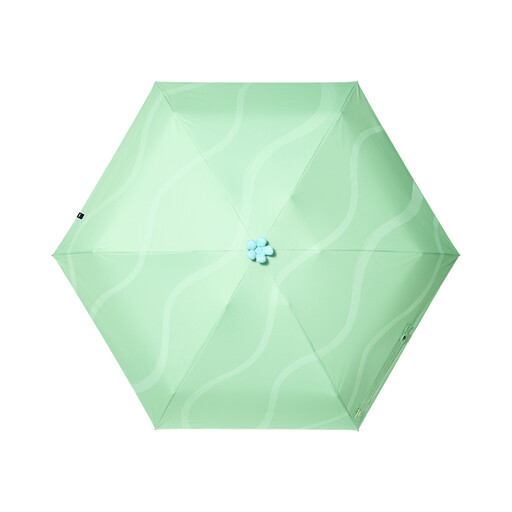
Why This Fits Their Persona: For those who want to combine functionality with a unique design. Perfect for city trips or a day out, where the umbrella is not just for protection but also an accessory. The included carrying case is a clever addition.
This model proves that an effective sun protection umbrella doesn't have to be boring. It combines a playful 3D flower motif with serious specs like a UPF 50+ rating and a wind-resistant fiberglass-aluminum alloy frame.
Unique design with a cactus-style carrying case that can be used as a handbag or shoulder bag. Compact (approx. 20 cm) and lightweight (approx. 247 g).
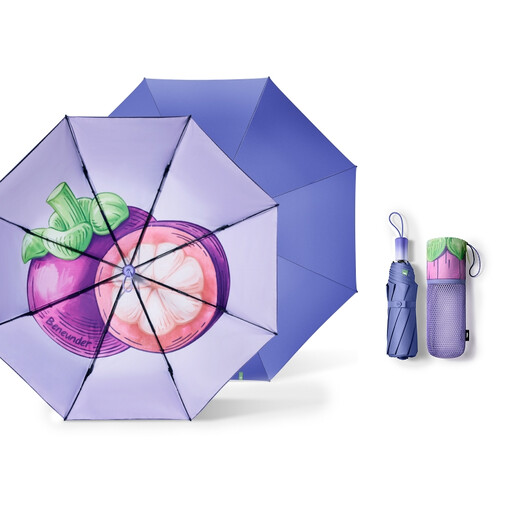
Why This Fits Their Persona: For those who prioritize coverage and robustness above all else. This umbrella offers an extra-large canopy and a reinforced construction, ideal for longer walks or when you want to be certain of maximum shelter.
This model directly tackles the 'weak construction' trap. With a double-layer canopy and a frame designed for wind resistance (level 5 according to the manufacturer), it offers a noticeably sturdier and more protective experience than standard folding umbrellas.
Extra-large canopy (diameter approx. 99 cm) for superior coverage. Reinforced, double-layer construction for better protection and durability.
We have compiled a complete, up-to-date list of products that fully meet these strict selection criteria and regulations.
A regular, dark umbrella provides shade and thus blocks some sun, but its fabric is not specifically designed to filter harmful UV radiation. A true UV umbrella has a canopy with a special coating or weaving technique that guarantees a certified UPF 50+ rating. This means the fabric blocks over 98% of UVA and UVB rays, offering significantly higher and more reliable protection.
Proper maintenance is simple but crucial. After a rain shower, always let the umbrella dry completely while open before folding it. This prevents mold and degradation of the water- and UV-resistant coating. Clean the canopy with a damp cloth; do not use harsh cleaning agents. Store the umbrella in its provided sleeve in a dry place, away from direct sunlight, to keep the materials in good condition.
A higher price often translates to better materials and smarter construction. You are investing in durability (a wind-resistant frame that won't break after one season), certified protection (a reliable UPF 50+ rating), and convenience (a lightweight and compact umbrella that you will actually carry with you). A cheap umbrella often needs to be replaced, whereas a quality model provides reliable protection against both sun and rain for years.
