
Vandaag of morgen in huis

Kwaliteit gegarandeerd

Welkomstaanbiedingen ontgrendelen: GRATIS bezorging | Tot 80% korting | Gratis 30 dagen JoyPlus-proefperiode
Download de app
A UV-protective umbrella can come in handy on a walk, cycle ride, holiday or rainy day. However, models vary considerably in size, construction and ease of use. A compact umbrella fits easily into a bag, while a large sun and rain umbrella offers more coverage. For a patio or garden, you’ll need a stable parasol with enough ballast.
Marketing copy often emphasises terms such as “cooling”, “windproof” or “waterproof”. Always check which technical details are actually provided. According to the manufacturer, a particular coating or construction is designed to offer specific benefits; that doesn’t automatically guarantee performance in every weather condition.
A rating such as UPF 50+ or a brand-specific UV value only means something if it’s clear what the claim is based on. According to Beneunder’s own information, some models offer UPF 50+ protection and block more than 99% of the full UV spectrum. For the BM398, the manufacturer even states UPF 2000+ and more than 99.9% blockage.
Treat this as a product specification, not a medical guarantee. In practice, protection also depends on the coverage, the position of the sun, any damage to the fabric and how long you use the umbrella.
A wind-resistant umbrella with fibreglass ribs or an aluminium frame may be more stable than a basic model. Even so, you should close an umbrella in strong winds and thunderstorms. For a patio parasol, ballast is just as important as the frame. A cross base without a water container, sandbags or weights isn’t enough for stable use.
A folding umbrella measuring around 20 centimetres is easy to carry, but usually has a smaller canopy. That may be enough for one person. If you also want to protect a rucksack, pushchair or shoulder bag, you’ll be better off with a model with a canopy diameter of around 95 to 100 centimetres.
Check three measurements:
According to the product information, a compact umbrella such as the Beneunder BM666 has an open diameter of 35 inches, a folded length of 6.1 inches and weighs around 170 grams. The BM397 and BM398 are larger, with a 39-inch canopy, but weigh around 370 grams. That gives you more coverage, but also takes up more space.
According to the manufacturer, a black coating can help block sunlight and heat. Also check the base materials:
A water-repellent umbrella will generally keep light rain off the fabric more effectively, but always let it dry completely after use. Storing it while damp can lead to odours, stains and damage to the coating.
For commuting or travelling, a lightweight umbrella is usually more practical than a large model. For longer walks in bright sunshine, a double-canopy umbrella with a larger diameter may be better suited to your needs.
For a patio, you might prefer a large garden parasol, cantilever parasol or parasol with an aluminium frame. A 3 × 4 metre model provides plenty of shade, but can easily weigh tens of kilos with the frame included. Always check whether ballast is included. For several models in this selection, weights or water reservoirs are not included.
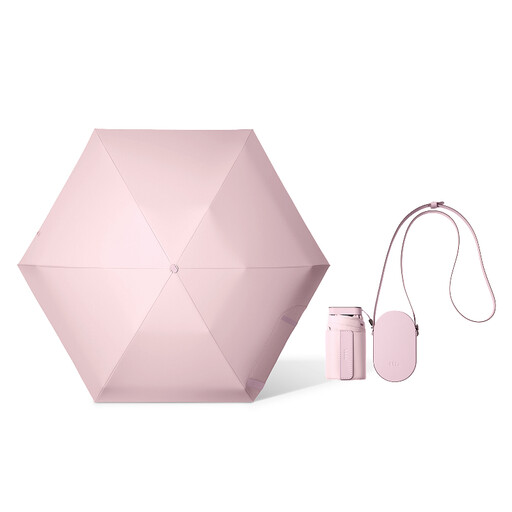
Why it suits this type of user: Its card-sized, compact design is made for everyday carrying in a bag or coat pocket. According to the manufacturer, the model weighs around 170 grams and is suitable for both sun and rain.
The specifications list both the open and folded dimensions. This lets you see in advance that the smaller canopy offers less coverage than a larger model.
UPF 50+ according to the manufacturer, an aluminium shaft, fibreglass ribs and a carry case included.
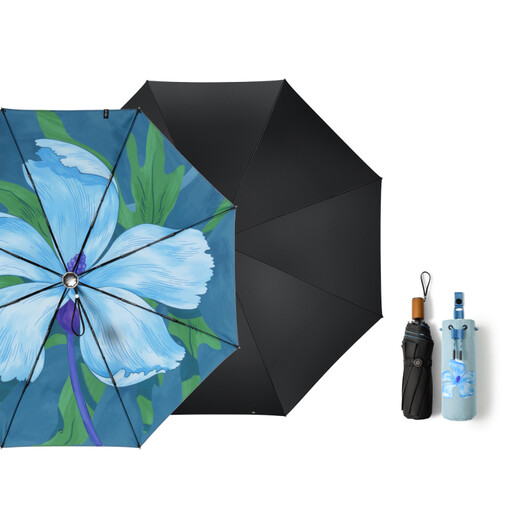
Why it suits this type of user: The 39-inch canopy is designed for people who want more coverage during outdoor activities in sunshine or rain.
The manufacturer lists not only the UV specifications, but also the canopy diameter, weight of around 370 grams and fibreglass-aluminium frame.
Double canopy, 39-inch diameter and, according to the manufacturer, UPF 2000+ with more than 99.9% UV blockage.
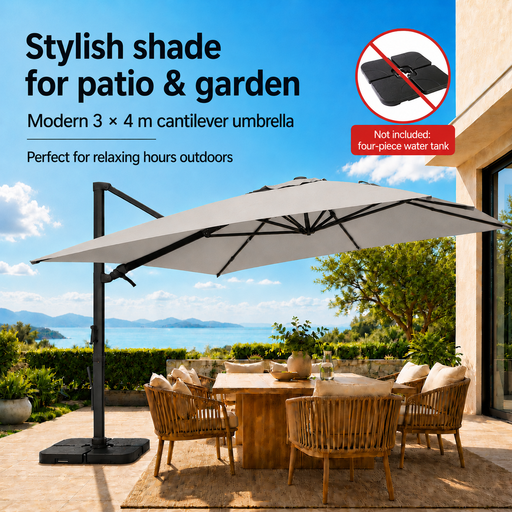
Why it suits this type of user: The generous canopy is designed for patios, lounge areas and gardens where a central pole would get in the way. Its manual 360° rotation and tilt let you adjust it to follow the sun.
The product information clearly states that ballast plates or water-filled weights are not included. You can factor in this extra cost and safety measure before buying.
3 × 4 metres of shade, an all-aluminium frame, PA-coated fabric and a 360° rotating base.
We’ve put together a complete, up-to-date list of products that meet these strict selection criteria and the applicable European safety regulations.
After rain, leave a UV-protective umbrella fully or partly open to dry before putting it away. Wipe off dirt with a damp cloth and avoid harsh cleaning products. If you have a parasol, regularly check the screws, hinges and base fittings.
Close a garden parasol in windy or stormy weather, or when you’re not using it. A 360° rotating parasol is no substitute for secure anchoring. Use the recommended ballast and check that the ground is level.
That depends on the fabric and coating. According to the product information, models with a polyester canopy and water-repellent finish are designed for both sun and rain. Make sure you let the umbrella dry completely after use. No portable model is designed to protect you during thunderstorms or extreme weather conditions.
For everyday use by one person, a compact umbrella with a diameter of around 35 to 37 inches is often enough. If you want more coverage or space for a bag under the canopy, around 39 inches is more practical. Bear in mind that larger models are heavier and longer when folded.
On top of the purchase price, you may need to pay for ballast weights, assembly and any maintenance. Also check whether lighting, a battery or a protective cover is included. Weights are often sold separately for models with a cross base. Close the parasol when it’s not in use and store the fabric dry to limit wear.
