
Vandaag of morgen in huis

Kwaliteit gegarandeerd

Welkomstaanbiedingen ontgrendelen: GRATIS bezorging | Tot 80% korting | Gratis 30 dagen JoyPlus-proefperiode
Download de app
UV-protective cycling sleeves are useful for commuting, road cycling and leisure rides. You can pull them on with short sleeves and take them off again when the temperature drops. However, not all sun-protection sleeves are the same. The wrong size may slip down, a sleeve that’s too tight can feel uncomfortable, and an appealing product name doesn’t automatically tell you how well it performs.
That’s why the Joybuy Product Recommendation Officer selects products based on verifiable product information, fit and intended use. Read on to find out what to check before ordering cycling arm sleeves or cooling arm sleeves.
Terms such as “sun protection” and “UV protection” often appear in product names. That doesn’t automatically mean a UPF rating or test standard has been provided. Check the product page to see whether it includes a UPF rating, material composition or relevant test information.
If this information isn’t available, treat the sleeve as a clothing layer for coverage and comfort, not as a replacement for other sun-protection measures. According to the brands’ own product information, the models listed are designed for cycling, outdoor sports and commuting; this does not imply any medical or health claim.
A sleeve should fit snugly without digging into your skin. As well as checking the size, look at the sleeve length, the position of the elastic edge and whether it has a finger loop. A sleeve with a finger loop may stay in place better while cycling, but it won’t feel comfortable for everyone during extended wear.
Choose your size using the product’s current size guide. The models below come in different sizes, such as S, M, L and XL, or one size. Don’t automatically assume your usual shirt size will fit.
The term cooling arm sleeves often describes how the product is positioned, but the product information provided doesn’t specify the exact fabric composition, ventilation rating or drying time. Check the product page for details about the fibres, care instructions and moisture management. Without this information, you can mainly compare the model, size, colour and design.
A UPF rating indicates how much UV radiation a fabric allows through. Look for a clearly stated rating and check what the claim is based on. A general description such as “sun protection sleeve” is less specific than a stated UPF rating.
A secure fit and plenty of freedom of movement are important for cycling arm sleeves. A model with “high-elasticity” in its product name is described by the brand as stretchy, but check the exact composition and sizing on the product page. One-size models are easy to order, but they won’t necessarily fit every arm.
A two-in-one finger sleeve is designed with finger coverage built into the sleeve. This may appeal to cyclists who want extra coverage around the hand. A standard sleeve without this feature may be more practical if you regularly wear gloves or want to put your sleeves on and take them off quickly.
Also consider the colour and how you’ll use the sleeves. Dark shades such as midnight black and smoke grey are less noticeable with everyday outfits. Soft white, cool white and mist pink offer a lighter look. Colour alone, however, tells you nothing about UV performance.
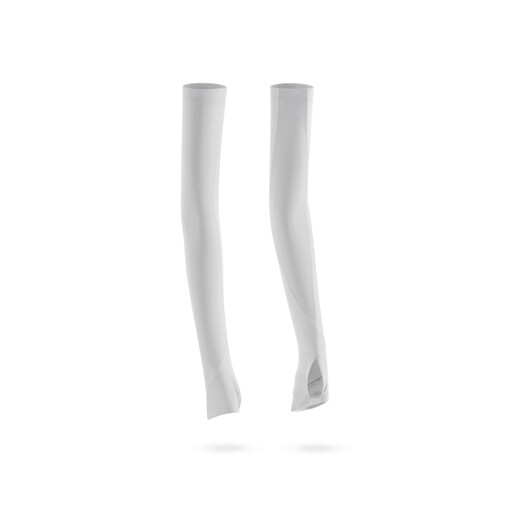
Why it suits this profile: With a clearly specified size S and a two-in-one design, this model is a straightforward choice if you’re trying cycling sun-protection sleeves for the first time.
The product name clearly states the size, colour and finger design. Be sure to check the size guide before ordering.
AL368 model; two-in-one finger sleeve; high mountain grey; size S.
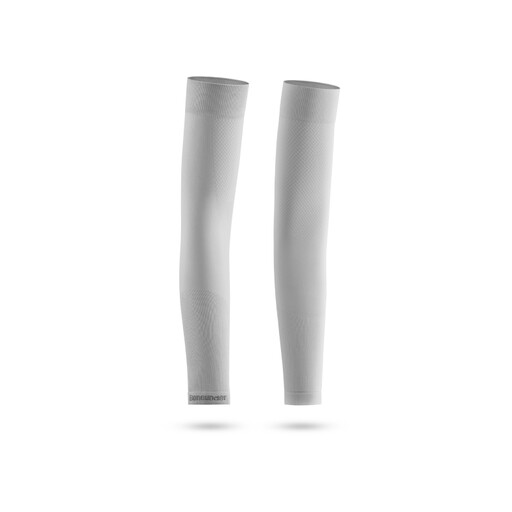
Why it suits this profile: This unisex model is designed for shoppers looking for a simple, highly stretchy sleeve for a range of outdoor activities.
The product name explicitly states “high-elasticity” and identifies it as a unisex one-size model. Check that one size will fit your arm circumference.
ES370 model; unisex; described as high-elasticity; one size; vine mist grey.
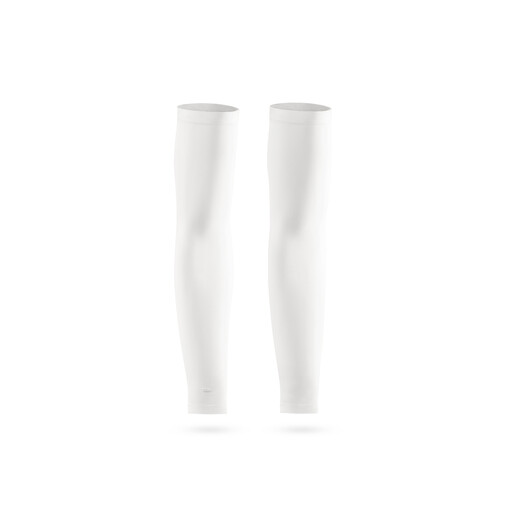
Why it suits this profile: The clearly stated XL size suits anyone who’d rather not choose a one-size model. It’s a men’s style in a light colour.
The product listing specifies the model, intended use, colour and XL size. This lets you compare it more precisely instead of relying on the term “cooling” alone.
AL375 model; men's style; described as cooling sun protection; cool white; size XL.
We’ve put together a complete, up-to-date list of products that meet these strict selection criteria and the applicable European safety regulations.
The products listed name ShenZhen Janez Technology Co., Ltd. as the manufacturer. For the EU, JINGDONG RETAIL (NETHERLANDS) B.V. is listed as the responsible person, with an address in Berkel en Rodenrijs. This information relates to product compliance and customer contact; it is not evidence of a specific UPF rating.
They can be, as long as they fit comfortably and stay in place while you cycle. For everyday use, choose a size that doesn’t feel restrictive and check that the design works with your gloves and clothing. If you’re concerned about UV performance, an explicitly stated UPF rating on the product page is important.
Their lifespan depends on how often you wear them, as well as friction, sweat, washing and drying. Follow the care instructions and avoid treatments that aren’t listed on the label. The fabric may become less stretchy over time. Replace your sleeves if the fabric becomes visibly thinner, the seams come loose or the fit is no longer secure.
It depends on the fabric, fit, wind and how hard you’re exercising. The product name may include “cooling”, but without material or test information, it’s not possible to make a definite claim about temperature. Compare the available specifications and choose a design that suits your cycling route, clothing and preferred level of coverage.
