
USB charging station user
You want to check that the plug on your original toothbrush charger fits a power bank output. Charging methods can vary by toothbrush model; Philips recommends using the original charger supplied with the toothbrush.


Start with the original toothbrush charger: its plug must fit a power bank output, and not every toothbrush can be charged directly via USB. If charging stops before it is complete, check whether the model you’re considering has a low-current mode; this doesn’t automatically mean it’s compatible with your toothbrush. Extra capacity or ports are mainly useful if you want to charge other devices too.
You want to check that the plug on your original toothbrush charger fits a power bank output. Charging methods can vary by toothbrush model; Philips recommends using the original charger supplied with the toothbrush.
You’re looking for a way to prevent charging from stopping prematurely when the connected charger draws very little power. A low-current mode may be worth looking into, but it doesn’t confirm that your toothbrush will work with it.
You may also want to charge a phone or another device. In that case, the number of suitable outputs and the capacity you need matter, as does the space the power bank takes up on your desk.
First, check whether the original charger fits a power bank output. Philips says that charging methods can vary between Sonicare models and that not all chargers are compatible with one another.
| What to consider | What to look for | Who is this important to? |
|---|---|---|
| Connection and compatibility | Look up the model number and charging instructions. Check whether the original charger’s plug fits a USB-A or USB-C output. | If I want to make sure I can connect my original charger first, compatibility comes first. Around 36% of consumers prioritise this need. |
| Keeping the charge going | Check whether the exact power bank model has a low-current mode, then test it with the original charger. | If charging has stopped before when drawing very little power, I mainly want to know whether it will keep going with my charger. Around 29% of consumers prioritise uninterrupted charging. |
| A safe spot on your desk | Use a dry, clear space and undamaged cables. Follow the toothbrush and power bank instructions. | If I leave charging equipment on my desk, I want to be able to place it somewhere clear and dry. Around 21% of consumers prioritise safe, practical use at their workspace. |
| Other devices and capacity | Count the devices you want to connect at the same time and compare the outputs and stated capacity. Stated capacity isn’t the same as the energy actually delivered. | If I want to charge other devices as well as my toothbrush, I look for suitable extra outputs and enough capacity. Around 14% of consumers prioritise this need. |
Charging methods vary by model. Philips also says that not all Sonicare chargers are compatible with one another.
Before buying, check the exact toothbrush model and the instructions for its original charger.
You may still need the original charger designed for your specific model.
According to Anker, the USB-C port on the Anker 313 Power Bank (PowerCore 10K) is for charging the power bank only.
For the exact model, check whether each port is an input, an output or both.
A higher stated capacity or power output doesn’t, by itself, tell you whether charging will continue when very little power is being drawn. The Consumers’ Association (Consumentenbond) distinguishes between a power bank’s stated capacity and what it actually delivers in different situations.
Check the connection and whether charging will continue first. Then compare the capacity with your other devices and how long you’ll use them.
A higher capacity may be unnecessary if you’re only using the power bank for your toothbrush charger.
The 313 Power Bank (PowerCore 10K) is worth considering if you’re looking into a low-current mode.
According to Belkin, the BoostCharge BPB011 offers a range of connections for anyone looking to use USB-A and USB-C at the same workstation.
The Fuel Series 5 FS5102U offers a range of connections for anyone who wants to connect different devices at one workstation.
These products are a starting point when choosing a power bank for your home-working desk. For each model, check whether the original toothbrush charger fits a suitable output.
 No image available
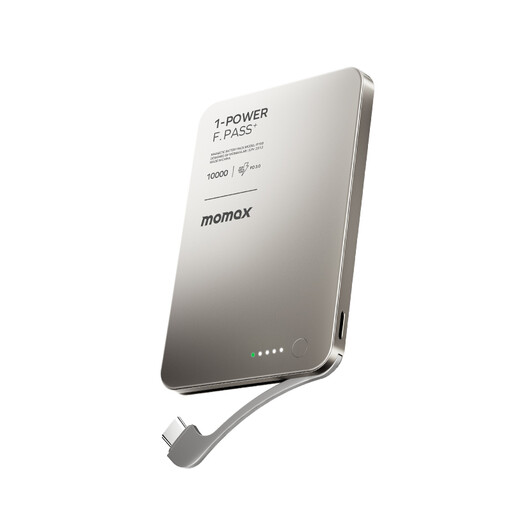
An option to consider if the original toothbrush charger fits an output on this model. Check the connections on both the charger and the power bank.
The product name lists a hidden built-in cable and a capacity of 10.000 mAh.
 No image available
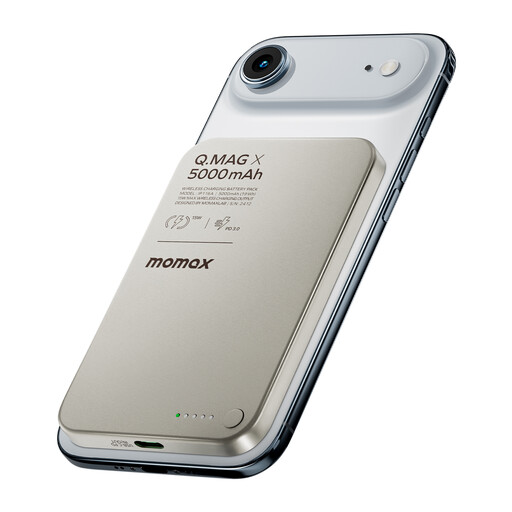
The product name describes wireless charging. That doesn’t confirm that you can connect the original wired toothbrush charger; check the connections before choosing this model for that purpose.
The product name lists a capacity of 5.000 mAh.
 No image available
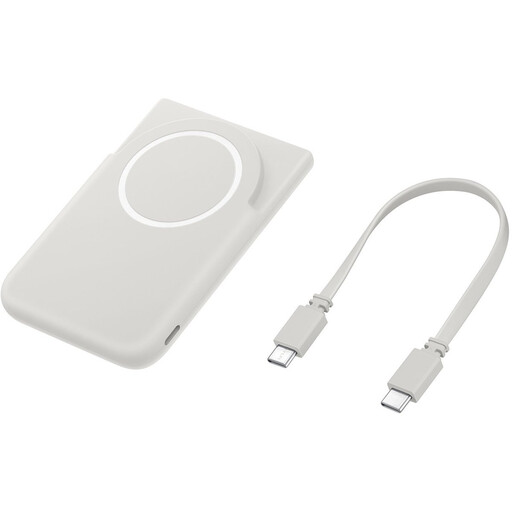
Before choosing this model for your toothbrush, check whether its USB-C connection is an output that works with the original toothbrush charger.
The product name lists USB-C and a capacity of 5.000 mAh.
 No image available
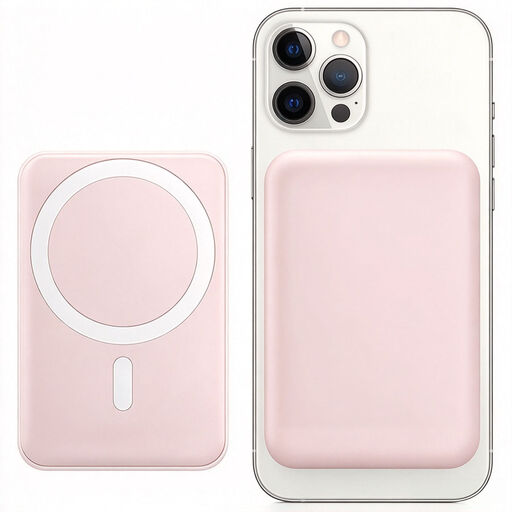
Wireless charging isn’t the same as having a suitable wired connection for the original toothbrush charger. Before choosing this model for your toothbrush, check that it has a compatible output.
The product name lists 10.000 mAh, 15 W and wireless charging.
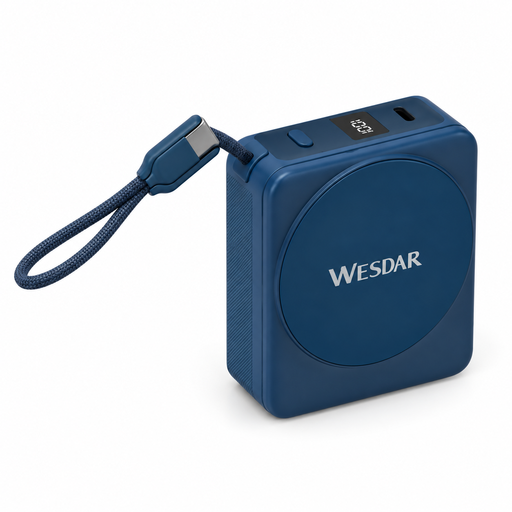 No image available
The product name lists a built-in USB-C cable. Check that the connection is suitable for the original toothbrush charger and is intended as an output.
The product name lists 22.5 W wired charging, 15 W wireless charging and 10.000 mAh.
Only if the charging instructions for your model support that connection. Philips recommends using the original charger supplied with the toothbrush. Check whether its plug fits a power bank output.
First, check the connections and the instructions for both devices. Anker describes a low-current mode on certain models that can prevent them from switching off automatically. Check whether your specific model has this mode, then test it with your original toothbrush charger.
Follow the instructions and place charging equipment somewhere dry and clear, with enough space for heat to escape. The Fire Service advises against using damaged cables and chargers.
A CE mark is required when the applicable harmonised EU rules specify that the product must carry one; it isn’t a universal quality mark for every electrical product. The European Union explains this requirement. The Netherlands Food and Consumer Product Safety Authority states that the Low Voltage Directive applies within the nominal voltage ranges specified in the directive: 50 V to 1.000 V AC and 75 V to 1.500 V DC. Don’t automatically apply this rule to a USB power bank without first checking which rules apply to the specific model.
No. The Dutch government says that used batteries can be taken to a collection point and must not be put in the bin.