What should you look for when buying?
First, decide what matters most for your archive: a restorable copy, compatibility with multiple devices, faster write times or protection for confidential files.
| What to consider |
What to look for |
Who is this important for? |
| Restorable copies |
Plan to keep a second copy on another type of storage, then open a few files from the backup after copying. |
I want to be able to restore an earlier version if files are lost or damaged, and check that the backup works; around 33% of consumers in this scenario prioritise being able to restore their files. |
| Connections and file sharing |
Check your devices’ ports and, if you use both Windows and Mac, which file formats they support. |
I use devices with different ports and want to plug the same stick straight into each one; around 27% of consumers in this scenario prioritise connectivity. |
| Write time |
Compare the write-speed specification for the exact variant; a stated maximum doesn’t guarantee the same speed during a lengthy copy task. |
I often copy large files or successive design versions and want to know how long writing will take; around 20% of consumers in this scenario prioritise write time. |
| Access if the stick is lost |
Consider what data is stored on the stick and check how access and recovery work on a secure model. |
I store customer or personal data and want to prevent unauthorised access if the stick is lost; around 20% of consumers in this scenario prioritise confidentiality. |
USB stick options at Joybuy
This selection includes USB sticks for storing design files locally. Compare the stated capacity and connection with your own archive and devices; a standalone stick doesn’t replace a separate backup.
 Image unavailable
Kingston DataTraveler Exodia DTX 256 GB
An option for keeping a local copy of your design files; also store important versions on another type of storage.
The product title lists 256 GB, USB 3.2 Gen 1 and write speeds of up to 625 MB/s. This is a product specification, not an independent test result.
View at Joybuy
 Image unavailable
SanDisk Ultra Flair 512 GB USB 3.0
An option to compare if you’re looking for a USB-A stick for a local archive; check that the capacity suits your files and versions.
The product name lists 512 GB and USB 3.0.
View at Joybuy
 Image unavailable
SanDisk Ultra Dual Drive Go 512 GB USB-C and USB-A
An option if you transfer design files between devices with USB-C and USB-A ports; check that both connections work with the devices you use.
The product name lists 512 GB. The product description mentions USB-C and USB-A, and read speeds of up to 150 MB/s.
View at Joybuy
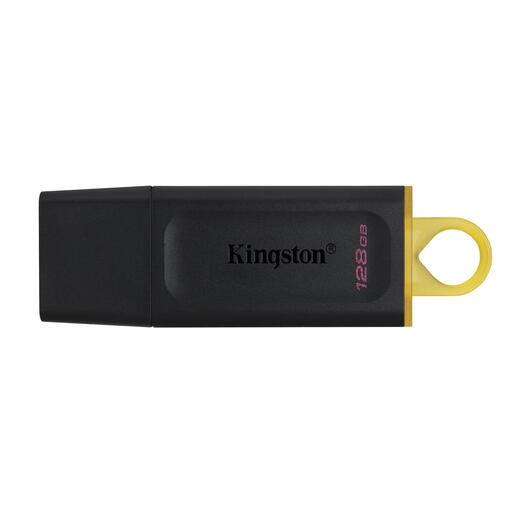 Image unavailable
Kingston Technology DataTraveler Exodia USB 3.2
An option to consider for a portable local copy. Before choosing, check that this version has enough capacity for your design files.
The product name lists USB 3.2.
View at Joybuy
 Image unavailable
Kingston DataTraveler 64 GB 220 MB/s Metal USB 3.2 Gen 1 SE9 G3
An option to compare for keeping a local copy on a USB-A device; check whether 64 GB is enough for the versions you want to store.
The product name lists 64 GB and USB 3.2 Gen 1. The 220 MB/s figure appears in the product name; check the product specifications to see what it refers to.
View at Joybuy
Frequently asked questions
Is one USB stick enough to archive my design versions?
No, not if you want to be able to recover files after they’re lost or damaged. The National Cyber Security Centre advises keeping multiple versions of important data and backups on different types of storage; you can do this without the cloud. Test that you can open the files you’ve copied.
Which file format should I choose if I use Windows and Mac?
Apple describes exFAT as a Windows-compatible option for a drive larger than 32 GB. First check which formats your devices support, and copy any existing files to another safe location before formatting, as formatting erases the contents.
Why won’t a large design file fit on a stick with free space?
Check the file format: Microsoft lists a maximum file size of 4 GiB for FAT32, compared with a much higher limit for exFAT. Don’t format the stick until you’ve safely stored your existing files elsewhere.
Should I buy a specific type of encrypted USB stick for personal data?
The Dutch Data Protection Authority doesn’t recommend a specific USB stick model as a general choice; organisations need to determine appropriate security measures based on the risks. It lists an encrypted USB stick as one possible measure when sensitive documents need to be carried and can’t be stored on a work server.
Is a high read speed enough to archive design files quickly?
No, read and write speeds are different specifications. For archiving, compare the stated write speed of the exact version and bear in mind the computer you’re using and the conditions of any tests.


