If you speak close to the microphone during an evening rehearsal, a directional dynamic USB microphone is a sensible option. For a quiet desk setup, a cardioid condenser microphone may also be suitable. Choose direct headphone monitoring if you want to listen as you speak, and check the connection and positioning. Directional recording won’t make your voice quieter for housemates or neighbours.
Who is a USB microphone for theatre dialogue suitable for?
Solo performer rehearsing in a shared home
Wants to record their own lines clearly when there’s background noise. The choice of microphone won’t change how much sound housemates or neighbours hear, so you’ll need to consider your voice level and agree on arrangements separately.
Actor reviewing their pronunciation
Wants to assess articulation and timing during or straight after a passage. A headphone socket on the microphone can enable direct monitoring.
Actor with a wide vocal range
Switches between quiet and powerful delivery and wants to be able to check the recording settings or any processing.
What should you look for in a USB microphone for evening rehearsals?
Start with what you want to hear: do you want to hear yourself as you speak, or mainly review the recording afterwards? Then choose a microphone type and setup that suit your room and the movement in the scene.
| What to consider |
What to check before buying |
Especially useful for |
| Clear solo vocals |
Check that directional cardioid recording suits where you’ll be speaking and that you can stay close enough to the microphone. |
If I’m rehearsing alone with background noise, I want to hear my lines clearly in the recording without assuming that the recording will make my voice quieter for others; around 33% of consumers prioritise clarity in a noisy room. |
| Listening as you record |
Look for a headphone socket and explicit support for direct monitoring; listen to the recorded file separately too. |
Direct feedback is useful if you want to check your pronunciation and timing during a passage; around 27% of consumers prioritise this listening option. |
| Varying vocal levels |
Compare the adjustable gain and any processing for the exact model. Make a test recording with both a quiet and a loud passage. |
If I whisper and then perform more powerfully, I want to be able to listen back to both passages and check the settings; around 20% of consumers put this control first. |
| Connection and setup |
Check your computer port and the included cable, stand or arm, as well as any software requirements. |
If you want to get started without a complicated setup, you mainly need a suitable connection and a place to put the microphone; around 20% of consumers consider a simple, suitable setup most important. |
Common mistakes when choosing a microphone
-
Confusing noise reduction with soundproofing
Directional recording or signal processing won’t change how much noise your voice makes outside the recording. So a microphone won’t automatically make evening practice quieter for housemates or neighbours.
Agree separately on how loudly and how late you’ll practise. The Dutch government recommends trying to reach an agreement with your neighbours first if noise is causing a nuisance.
-
Looking only at the USB connection
If you want to hear your pronunciation as you speak, direct monitoring is a separate feature; not every connection provides this listening option.
Check that the exact model has a headphone socket and direct monitoring mode. You’ll also need suitable wired headphones.
-
Assuming the cable and stand will suit your setup
Included connections and stands vary by model, so a microphone may not fit your computer port or preferred position straight out of the box.
Before buying, compare the included accessories with your computer port and the place where you want to practise.
Brands to consider for theatre dialogue
Audio-Technica
The ATR2100x-USB is a handheld dynamic microphone with USB, XLR and direct monitoring. It may suit you if you speak close to the microphone and might use compatible audio equipment later.
- Audio-Technica Europe lists two types of USB cable, an XLR cable and a desktop stand as included with this model.
- A handheld microphone may not suit every movement in a scene.
Samson
The Q2U is a dynamic USB/XLR microphone with a headphone output for direct monitoring.
- Samson lists a cardioid pattern, direct monitoring, a stand, a windscreen and cables for the Q2U.
- Its ability to reduce room noise is a manufacturer’s claim, not a measurement taken in your rehearsal space.
RØDE
The NT-USB Mini is a compact cardioid USB condenser microphone for a desktop setup, with direct monitoring.
- RØDE lists a pop filter, detachable stand and switchable direct monitoring.
- The included cable is USB-C to USB-A; check whether you need a different cable or an adapter.
Shure
The dynamic MV7+ combines USB-C and XLR with adjustable voice processing.
- Shure lists Auto Level, a headphone output and app settings.
- Check that your device meets the app requirements and assess the processing with a test recording.
Elgato
The Wave:3 MK.2 is a USB condenser microphone with software and recording processing for a fixed desktop setup.
- Elgato lists Auto Gain, Clipguard 2.0 and an included desktop stand for the MK.2.
- These features are specific to the Wave:3 MK.2; don’t confuse them with the earlier Wave:3 MK.1.
USB microphones at Joybuy
This selection includes USB microphones for spoken dialogue, with options for rehearsing on the move or at a desk.
 No image available
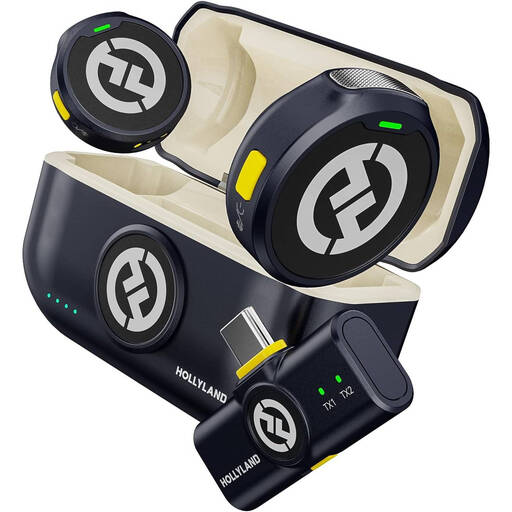
Lark M2 wireless USB-C microphone
The wireless design may suit you if you want to move around during a scene; check that the receiver connects to your recording device.
The product title lists a range of 300 m and a battery life of 30 hours.
View at Joybuy
 No image available
USB condenser microphone with cardioid pattern
A cardioid USB microphone may suit spoken dialogue at a desk; check that the positioning and connection work for your setup.
The product title lists latency-free monitoring.
View at Joybuy
 No image available
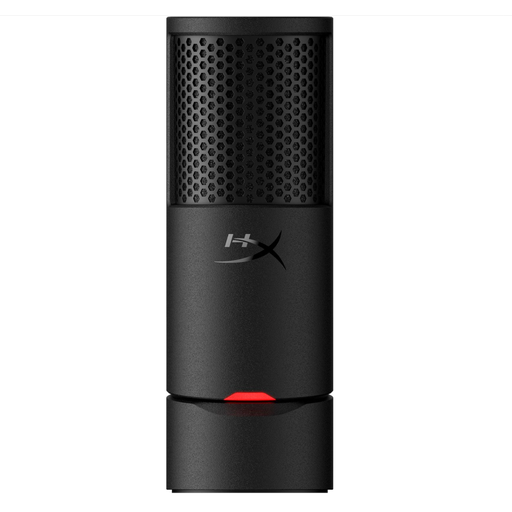
HyperX SoloCast 2 USB microphone, black
This USB model may suit spoken dialogue from a fixed recording position.
The product title lists a cardioid pattern.
View at Joybuy
 No image available
Razer Seiren V3 Mini Quartz USB microphone
This compact USB model may suit a small desk setup for spoken dialogue.
The product title lists a supercardioid pattern and tap-to-mute control.
View at Joybuy
Frequently asked questions about USB microphones for evening rehearsals
How should you position a microphone for an evening solo rehearsal?
Point the speaking side towards you, make a short test recording and listen back to it. The orientation of a directional microphone can affect how much sound is picked up from the sides and behind, but it won’t soundproof the rest of your home.
Can you hear yourself as you speak?
Yes, with a model that supports direct headphone monitoring. Connect suitable headphones and check that direct monitoring mode is switched on.
What should you look for if your voice varies greatly in volume?
Check which recording settings and processing features are available on the exact model. Test it with both a quiet and a loud passage, and listen to a recording without any processing too.
What should you check when buying online?
Check the seller, the included accessories and whether the microphone connects to your device. According to the Dutch government, online purchases from a business usually come with a statutory 14-day cooling-off period; this depends on the purchase and any applicable exceptions.


