To keep your speech clear among supporters, a dynamic microphone held close to your mouth is a sensible choice. As Shure explains, a cardioid microphone does not reject sound from the front in the same way as sound from the sides or behind. For interviews, a handheld model is useful for moving between speakers, while a USB condenser microphone suits a quieter, fixed position where you also want to capture the atmosphere. Check the connection, monitoring options and any wind protection for each model.
Who is this buying guide for?
Reporter among the supporters
You want your voice to stay clear with supporters nearby. Holding a microphone close to your mouth can help bring your voice to the fore. Shure explains that a cardioid microphone does not reject sound from the front in the same way as sound from the sides and behind.
Interviewer on the touchline
You switch quickly between asking questions and hearing someone else's answers. A handheld model can help you keep the microphone close to whoever is speaking.
Making a match-day atmosphere report
You want to capture ambient sound as well as speech, perhaps from a quieter, fixed position. RØDE says that with the NT-USB Mini, placing the microphone closer to the sound source can improve the balance between voice and background noise.
What should you look for when buying?
Dynamic microphone for speech
Choose this option: if clear reporting is your priority and you can hold the microphone close to your mouth.
Bear in mind: you need to position and aim the microphone carefully. Processing does not guarantee a quiet background when there are supporters nearby.
Dynamic handheld microphone for interviews
Choose this option: if you want to move the microphone between the reporter and interviewee during a conversation.
Bear in mind: factor in the cable, wind protection and your actual outdoor set-up.
USB condenser microphone for atmosphere
Choose this option: for a quieter, fixed recording position where ambient sound can be part of your report.
Bear in mind: in a noisy crowd, it can be harder to keep your voice clear above the ambient sound.
| What to consider |
What to look for when buying |
Who is this important for? |
| Speech among supporters |
Check the pickup pattern, whether you can hold the microphone close to your mouth, and the monitoring options during a test recording. |
If I’m reporting with supporters nearby, I want to keep my voice clear without losing all the atmosphere. Around 36% of consumers prioritise clear speech from the reporter. |
| Moving the microphone during interviews |
Check that the handheld design, cable and any windscreen suit your interview set-up and outdoor location. |
If I’m switching quickly between my questions and the answers, I want to be able to keep the microphone by the speaker. Around 29% of consumers prioritise interviews where the microphone can be moved between speakers. |
| Supporters’ voices in the recording |
Decide whether you want to record speech and the crowd together, or capture the atmosphere separately. Listen to a test recording with headphones. |
If I’m making a report that captures the atmosphere, I want supporters to remain audible and accept that this may reduce speech isolation. Around 21% of consumers prioritise an audible match-day atmosphere. |
| Connection and recording checks |
Check that the connection works with your recording device, which cables are included and whether the model has a headphone output. |
If I want to record and listen back without a complicated set-up, I want to know in advance that the microphone, cable and device will work together. Around 14% of consumers prioritise easy connection and recording checks. |
Common buying mistakes
-
Assuming noise reduction guarantees a quiet background
A cardioid microphone does not reject sound from the front in the same way as sound from the sides or behind. Claims about audio processing do not prove that it will remove crowd noise in a stadium.
First test the microphone’s distance and direction, then compare the available processing settings.
-
Choosing a desktop microphone for interviews where you’re constantly moving
When speakers change, the microphone needs to move with them. You may also pick up wind outdoors.
Compare a handheld model with your actual interview set-up, and check which cables and wind protection are included.
Depending on your set-up, you may need a different stand, cable or wind protection.
-
Mistaking an XLR model for a microphone with a direct USB connection
An XLR connection does not automatically provide a direct USB connection to a computer.
Check the exact model to confirm that USB is a connection on the microphone itself, rather than just on another component.
If the microphone has an analogue XLR connection only, you may need a separate audio interface and cable.
Brands to consider
Shure
The MV7+ is designed for anyone looking for a dynamic USB-C microphone with adjustable processing and monitoring.
- According to Shure, the MV7+ has USB-C and XLR connections, a headphone output and adjustable processing.
- These product specifications do not prove that supporter noise will be removed completely; positioning still matters.
Audio-Technica
The ATR2100x-USB is a dynamic handheld model for interviews where the microphone is moved between speakers.
- According to Audio-Technica, the model has both USB and XLR connections.
- Check that the connections and included cables suit your recording device and set-up.
Samson
The Q2U is a dynamic USB/XLR handheld model supplied with accessories for a fixed desktop set-up.
- Samson lists cardioid pickup, a headphone output and an included windscreen.
- A windscreen does not mean all stadium noise will be suppressed; also check that the microphone works comfortably with your interview set-up.
RØDE
The PodMic USB is a dynamic model for a fixed speech set-up; the NT-USB Mini is a separate condenser model for a quieter recording position.
- According to RØDE, the PodMic USB has USB and XLR connections, direct monitoring and an internal pop filter. The NT-USB Mini has monitoring.
- These are different models for different recording set-ups, not interchangeable versions.
Joybuy products
These Joybuy products are suited to mobile interviews and USB speech recording. Check that each model’s form and connection suit your reporting set-up.
 No image available
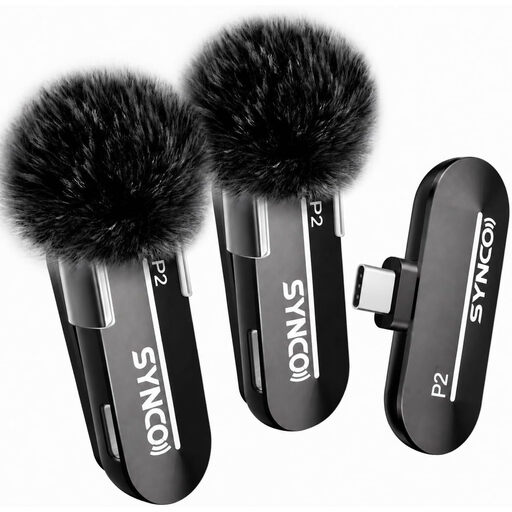
SYNCO P2XT USB-C Wireless Microphone
May suit mobile interviews; check that the receiver connects to your recording device.
The product description lists a USB-C receiver and monitoring through the receiver.
View at Joybuy
 No image available
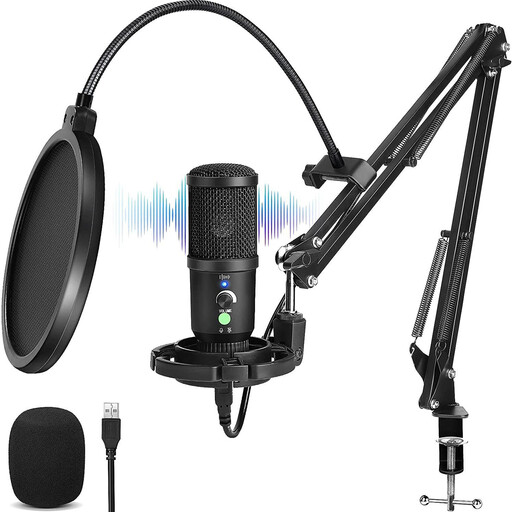
USB Condenser Microphone
May suit a fixed USB set-up; a cardioid pickup pattern does not mean supporter noise from the front will disappear.
The product name lists a cardioid pattern and latency-free monitoring, for uses including streaming and podcasting.
View at Joybuy
 No image available
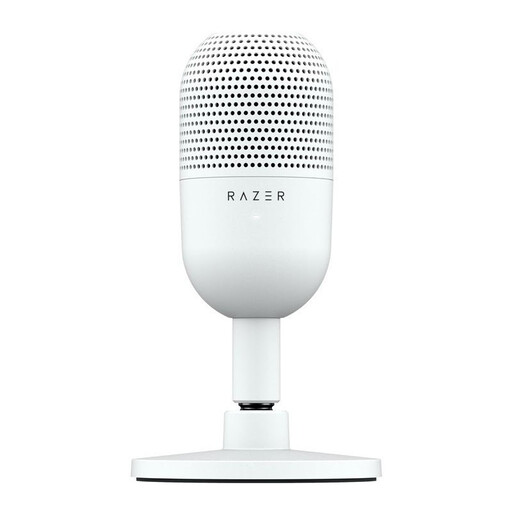
Razer Seiren V3 Mini White USB Microphone
May suit a fixed USB speech set-up; check that the microphone’s form works in your recording space.
The product information lists a supercardioid pickup pattern and tap-to-mute controls.
View at Joybuy
 No image available
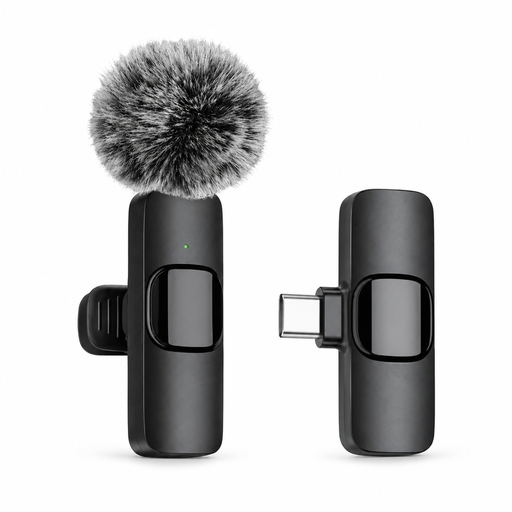
Verbex K9-Black Wireless Mini Microphone
May suit mobile interviews; check that the Type-C connection works with your recording device.
The product name describes a wireless lapel microphone with a Type-C interface for recording and interviews.
View at Joybuy
 No image available
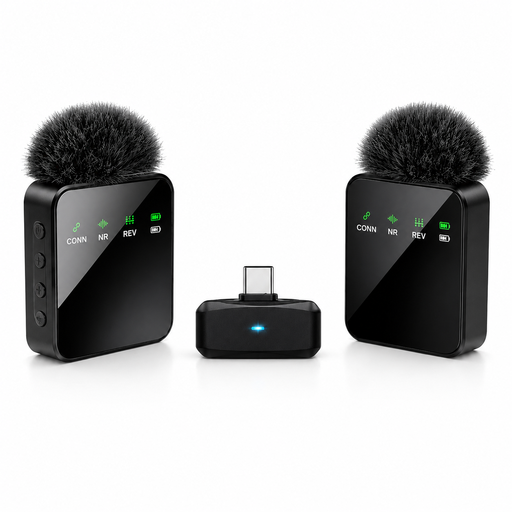
Verbex ST5 Dual-Mic Type-C Wireless Lapel Microphone
May suit portable speech recording; check that the Type-C connection is compatible with your device.
The product name describes a wireless lapel microphone with two microphones and a Type-C interface.
View at Joybuy
Frequently asked questions
Can a cardioid microphone filter out supporters completely?
No. A cardioid microphone does not reject sound from the front in the same way as sound from the sides and behind. Hold the microphone close to the speaker and make a test recording. Shure explains this limitation of cardioid microphones.
What should you do about wind during an outdoor interview?
Use a suitable windscreen and point the microphone towards the speaker. Samson lists an included windscreen with the Q2U; for other models, check what comes in the box.
Who can help if a microphone bought in the Netherlands breaks too soon during normal use?
According to ACM ConsuWijzer, the retailer is responsible for the statutory guarantee. In the Netherlands, there is no fixed time limit: what matters is what you could reasonably expect from the product.
Can you publish recognisable voices from a sports report online without permission?
Not automatically; whether publication is allowed depends on the circumstances. The Dutch Data Protection Authority refers to the need for a legal basis for processing personal data and to exemptions for genuine journalistic activities.


