Who is this choice relevant for?

Narrator recording in a reverberant room

You’re recording spoken content on your own and want your voice to sound less distant and echoey. Pay attention to where you record and how far you are from the microphone, not just to built-in effects. RØDE and Shure explain how distance and reflections affect a recording.

Narrator with a simple laptop setup

You want to record via USB without using an audio interface first. Check that the connection and cable suit your device and that you can position the microphone properly. RØDE and Audio-Technica Europe describe the USB connections available on their models.

Creator who checks recordings as they go

You want to hear distance, plosives and interference through headphones while recording. Check whether the model you choose offers direct monitoring; RØDE and Audio-Technica Europe list this feature on specific models.

What should you look for when choosing?

Dynamic cardioid USB microphone

Choose this option: if you’re recording on your own and can position the microphone close to your mouth.

Bear in mind: speaking close to the microphone helps balance your voice with the room sound, but won’t completely fix a very reverberant room. Check whether you’ll need a stand or boom arm.

Cardioid USB condenser microphone

Choose this option: if you can record close to the microphone in a quieter room with fewer reflective surfaces.

Bear in mind: distance still matters, even with a cardioid pattern; recording further away can make your voice sound more reverberant.

What to consider What to look for Who is this important for?
Echo and clarity Look at the microphone’s polar pattern and whether you can position it close to you. Also try recording somewhere with fewer reflective surfaces. When I record a travel guide in a reverberant room, I want my voice to sound clear and close. Around 36% of consumers say clarity is their main concern when buying.
Direct connection Check that the USB connection and included cable suit your device. An XLR setup requires additional equipment. I want to record via USB without having to put together an audio interface setup first. Around 29% of consumers prioritise a simple connection.
Monitoring your recording Check whether the exact model has a headphone output and how to adjust the listening volume. While recording, I want to hear how my voice sounds straight away through headphones. Around 21% of consumers prioritise monitoring their recording as they go.
Complete setup Compare what’s included with the version you’re considering against the stand, boom arm and cable you already have. I want to know in advance which cable and mounting accessories come with my version. Around 14% of consumers say their main concern is having a complete, ready-to-use setup.

Common buying pitfalls

  • Expecting the microphone to remove room echo

    You’ll still hear reflected speech if the room and microphone distance aren’t right. Changing the microphone alone won’t remove those reflections.

    Make a short test recording from your current position, then compare it with one made from closer to the microphone. If possible, also try recording somewhere with fewer reflective surfaces.

    Finding another place to record may take time to set up and could require materials to reduce reflections.

  • Confusing noise reduction with echo removal

    Shure distinguishes between direct and reflected speech. The denoiser described by Shure is not proof that reflections in your room will disappear completely.

    Think of processing as an additional feature, and pay attention to microphone distance and the room too.

  • Assuming a standalone microphone comes with a boom arm

    FIFINE lists a shock mount, but no stand, with the standalone K688. Other versions may include different items.

    Before buying, check the exact version of the model and what’s included in the box.

    If your chosen version doesn’t include suitable mounting accessories, you may need a separate boom arm or stand to position the microphone close to you.

Brands to consider

RØDE

The PodMic USB is a dynamic cardioid USB/XLR microphone, while the NT-USB+ is a cardioid USB condenser microphone. They’re different models with different positioning and packaging features.

  • According to RØDE, the PodMic USB offers direct headphone monitoring. RØDE recommends speaking from a distance of around 5–10 cm with this model.
  • RØDE says that the NT-USB+ comes with a desk stand and pop filter.
  • These features don’t prove that room echo will disappear if you don’t also consider where you record.

Shure

The MV7+ is a dynamic USB-C/XLR microphone for spoken-word recordings, with direct monitoring and adjustable processing.

  • Shure lists a headphone output, automatic level control and a denoiser.
  • The denoiser doesn’t prove that room reflections can be removed completely. Check the software requirements if you want to use these features.

Audio-Technica

The ATR2100x-USB is a dynamic cardioid USB/XLR microphone for voice-overs and other uses.

  • Audio-Technica Europe lists a headphone output for direct monitoring, USB-C-to-USB-C and USB-C-to-USB-A cables, and a foldable desk stand.
  • According to the manufacturer, the cardioid pattern reduces sound picked up from the sides and rear, but doesn’t guarantee an echo-free room.

FIFINE

The AmpliTank K688 is a dynamic cardioid USB/XLR microphone. The standalone microphone and versions with a boom arm should be assessed separately.

  • FIFINE lists USB monitoring and a headphone connection for the K688.
  • FIFINE shows the standalone version with a shock mount but no stand. Check whether the version you choose lets you position the microphone close to you.
  • The manufacturer’s sound quality claims aren’t an independent assessment.

Logitech G

The Yeti is a USB microphone with several recording patterns and built-in controls. It may suit setups that need more than one speaker positioned directly in front of the microphone.

  • Logitech lists direct headphone monitoring, gain control and an included USB cable.
  • A wider recording pattern may not be the obvious choice for a solo narrator who wants to pick up less room sound; positioning still matters here too.

USB microphones at Joybuy

These product picks are USB microphones for focused spoken-word recordings.
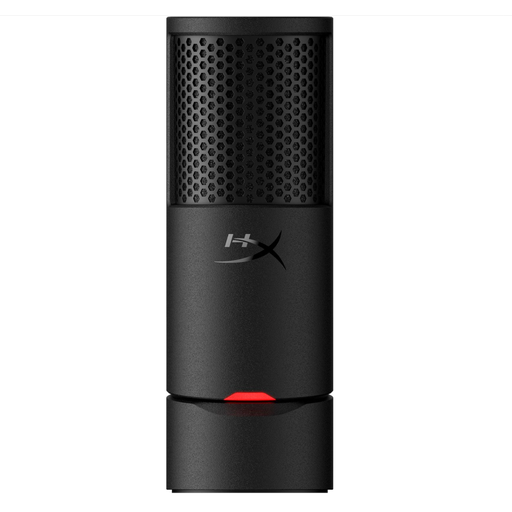
HyperX SoloCast 2 USB gaming microphone, black

HyperX SoloCast 2

Suits anyone who wants to record a single speaker via USB with focused pickup; the cardioid pattern doesn’t remove the need to consider distance and recording location.

The product description lists a USB-C-to-USB-A cable, desk stand, built-in shock mount and pop filter.

View at Joybuy
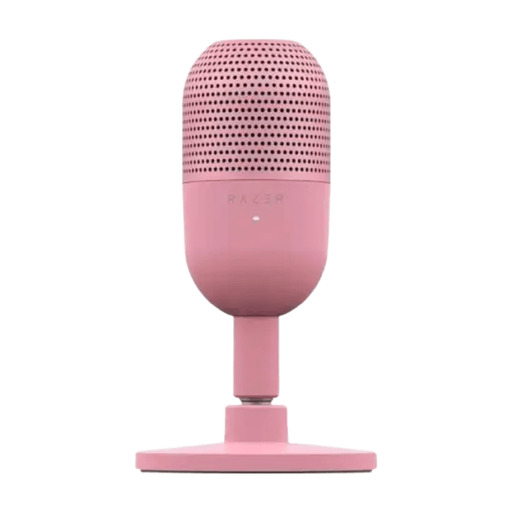
Razer Seiren V3 Mini Quartz USB microphone

Razer Seiren V3 Mini Quartz

Suits anyone looking for a USB microphone with a supercardioid polar pattern for voice recording; positioning still matters in a reverberant room.

The product description lists plug-and-play functionality, a compact size and a tap-to-mute function.

View at Joybuy

Frequently asked questions

Can a noise filter remove room echo from your travel guide recording?

Don’t count on it: Shure explains that a microphone can’t improve a room’s acoustics. First, record closer to the microphone and somewhere with fewer reflective surfaces; a denoiser doesn’t prove that reflections will disappear.

How can you check your setup while recording?

Make a short test recording and listen back through headphones. If you play audio through speakers, headphones can help prevent that sound from being picked up by the microphone again. That’s different from natural room echo.

Should you look for a CE mark?

Products sold on the EU market may be subject to product rules, including a CE marking requirement. According to the European Union, the marking is a declaration by the manufacturer; it doesn’t prove that an independent body has tested this specific microphone. Check the product information for the exact model.

What returns and warranty rights apply to an online purchase in the Netherlands?

For many purchases made remotely from a business, you have 14 days to change your mind; exceptions and the circumstances of the purchase matter. The Dutch government also states that there is no fixed statutory warranty period in the Netherlands. If there’s a problem with the product, contact the seller.

Can you record other people’s identifiable voices and publish them in your travel guide?

If you record and publish other people’s identifiable voices, you need to consider the applicable GDPR rules. The Dutch Data Protection Authority states that consent is required in most cases to publish personal data, and that processing must have a legal basis; there is a limited exception for personal or household use.
