If you can stay close to a fixed microphone while practising, a directional dynamic USB microphone is a sensible option to compare. Also check whether you can listen back through headphones straight away. In a quiet room, a cardioid USB condenser microphone may be suitable, but placement and room acoustics matter with both types: USB or software won’t remove echo by itself.
Who is this suitable for?
Speaker in a noisy room
If you record on your own and can stay close to a fixed microphone, a directional recording setup may be worth considering. RØDE describes dynamic microphones as less sensitive to room noise and reflections. Even so, make a test recording in your own space.
Pronunciation learner who wants to listen back straight away
If you want to assess how clearly words sound while recording or immediately afterwards, look for a headphone output and check the monitoring and level controls available. Samson, RØDE and Audio-Technica list these features on specific models.
User practising in a quiet room
If you can keep the room quiet and want to make recordings other than speech, you could include a cardioid USB condenser microphone in your comparison. Audio-Technica describes the AT2020USB-X as this type of microphone; your room and microphone placement will still be key to your choice.
What should you look for when choosing?
Start by considering room noise and how far you’ll be from the microphone when speaking. Then check how you’ll listen back, set up the microphone and use it in future.
| What to consider |
What to look for |
Who might prioritise it? |
| Keeping your voice clear |
Check the polar pattern and whether you can speak from a consistent, practical distance during practice. Make a test recording in the room. |
When practising alone in a noisy rehearsal room, I want my voice to remain clear without expecting the microphone to eliminate all echo. Around 36% of consumers put speech clarity first, even when there’s room noise. |
| Listening back |
Check for a headphone output and direct monitoring. Also see whether the model has level or mix controls if you need them. |
I want to be able to assess whether my pronunciation is clear during or straight after a recording, and check the level if needed. Around 29% of consumers prioritise listening back and level control. |
| Setup and connection |
Compare the included stand and cables with your workspace. Also check the USB port and system requirements for the exact model version. |
During a practice session, I want to position the microphone somewhere practical and know that its connections and included accessories will work with my setup. Around 21% of consumers prioritise ease of setup. |
| Other uses |
Decide whether you need an XLR connection or a microphone for recording in a quiet room, rather than choosing based only on extra features. |
If I want to use the microphone for other recordings in future, I want to know which connections and recording characteristics I’ll need. Around 14% of consumers prioritise using their microphone for other purposes. |
Common buying mistakes
-
Expecting USB or noise processing to remove echo
The microphone type and its position affect how much sound from the room is picked up. A connection or software feature won’t automatically make an echoey rehearsal room quiet.
Make a short test recording from the distance you’ll actually speak at, then check how clear your pronunciation sounds.
-
Mistaking an XLR-only model for a USB version
A product range may include models with different connections. Shure distinguishes the XLR-only MV7X from the USB/XLR MV7 and MV7+ models.
Check the full model name and connections for the exact version. You may need suitable additional audio equipment to record on a computer with an XLR-only microphone.
-
Forgetting about the microphone setup
If a microphone can’t sit securely where you want it, it’s harder to maintain a consistent speaking distance during practice.
Check the included stand and mount, and see how they’ll fit your table and speaking position.
If a suitable stand or mount isn’t included, you may need to buy one separately.
Brands to compare
Samson
The Samson Q2U is a dynamic cardioid USB/XLR microphone for a fixed, close-up speech setup.
- Samson lists a headphone output, mute switch, included cables and desktop stand for the Q2U.
- Bear in mind that you’ll need to keep to a fixed speaking position, and check that the stand suits your workspace. A manufacturer’s claim about recording quality is no guarantee of how it will perform in a particular rehearsal room.
RØDE
The PodMic USB is a dynamic microphone for speech, with USB-C and an XLR connection.
- RØDE lists direct headphone monitoring and a pop filter for this model.
- RØDE recommends speaking around 5–10 cm from the PodMic USB. Consider whether that distance is practical during your practice.
Shure
The MV7+ is a dynamic USB microphone designed for close-up speech recording.
- Shure describes speech isolation and automatic level adjustment as features of the MV7+.
- The manufacturer’s description doesn’t guarantee how these features will work in your rehearsal room; placement and a test recording still matter.
Audio-Technica
The AT2020USB-X is a cardioid USB condenser microphone for speech and other recordings in a suitable room.
- Audio-Technica lists direct headphone monitoring, a mix control and an included desktop stand.
- The manufacturer doesn’t provide a listening comparison with dynamic microphones in a rehearsal room, so assess the recording in your own setting.
Elgato
The Wave:3 MK.2 is a cardioid USB condenser microphone with a headphone socket and desktop stand.
- Elgato specifies Windows 11 or later, macOS 14.2 or later and a USB-C port for the Wave:3 MK.2.
- These system requirements apply to the MK.2 version and shouldn’t be assumed to apply to the earlier Wave:3.
USB microphones at Joybuy
This selection includes USB microphones for voice recording. Compare the listed recording features and check that the setup suits the distance you want to practise from.
 No image available
Cardioid USB condenser microphone
Worth considering if you’re looking for a cardioid USB condenser microphone and can assess speech clarity in your own room with a test recording.
The product name mentions a cardioid pickup pattern and a headphone socket for monitoring. Check the product information for details about the setup and included accessories.
View at Joybuy
 No image available
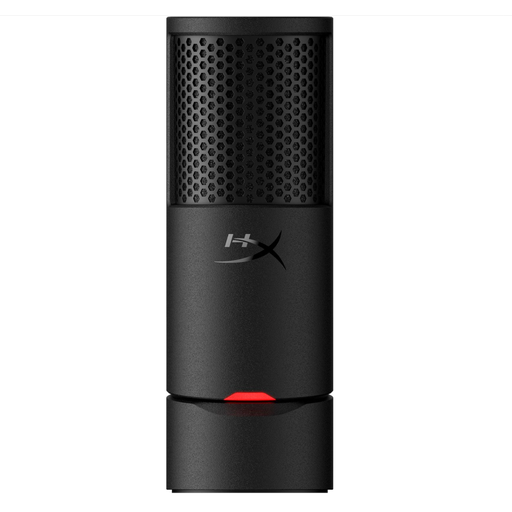
HyperX SoloCast 2 USB microphone, black
An option to compare if you’re looking for a cardioid USB microphone for a fixed practice setup; check how clear it sounds in your rehearsal room.
The product name mentions USB, cardioid recording and the black version. Check the product information for connections and included accessories that suit your setup.
View at Joybuy
 No image available
Razer SEIRÉN V3 Mini Quartz USB microphone
Worth comparing if you’re looking for a compact USB microphone for a desktop setup; check that you can position it at a practical speaking distance during practice.
The product name mentions a tap-to-mute function and the Quartz version. Assess the recording in the room where you plan to practise your pronunciation.
View at Joybuy
Frequently asked questions
Will a dynamic USB microphone get rid of all echo?
No. RØDE describes dynamic microphones as generally less sensitive to room noise and reflections, but the room and microphone placement still matter. Make a test recording from the distance you plan to speak at.
How should you position a microphone for pronunciation practice?
Point the front of a cardioid microphone towards the speaker and keep the distance as consistent as possible. For the PodMic USB specifically, RØDE recommends around 5–10 cm; this isn’t a universal distance for every model.
Does every model in a microphone range have a USB connection?
No. Shure distinguishes the XLR-only MV7X from the USB/XLR MV7 and MV7+ models. So check the full model name and connections for the version you’re considering. You may need suitable additional audio equipment to record on a computer with an XLR-only microphone.
Can you return a microphone bought online?
For online consumer purchases in the Netherlands, you generally have a statutory 14-day cooling-off period after delivery. ACM ConsuWijzer explains the exceptions; check which ones apply to your purchase.
What can you do if your microphone develops a fault?
Consumer purchases in the Netherlands are covered by a statutory guarantee. If a product breaks sooner than you could reasonably expect with normal use, the seller must offer an appropriate solution, according to ACM ConsuWijzer.


