What should you look for when buying?
Dynamic USB microphone for close-up speech
Choose this option if: reverberation or background noise affects your test recording and you can position the microphone close to your mouth.
Keep in mind: you’ll still need to position the microphone carefully and use a suitable stand. Shure explains that a microphone cannot automatically separate reflections from direct speech.
USB condenser microphone
Consider this option if: you’d like to include a condenser microphone in your shortlist and a test recording sounds good in your quieter setup.
Keep in mind: product specifications can’t tell you how a model will sound in your room. Sennheiser lists onboard controls and an included desktop stand for the Profile USB.
When choosing a USB microphone for museum commentary in an untreated room, these buying considerations can help you decide what matters most to you.
| Consideration |
What to look for when buying |
Who should pay particular attention? |
| Clarity in a reverberant room |
Make a test recording where you plan to record, and check your speaking distance and the direction of the microphone. Shure explains that direct speech and reflections cannot be completely separated. |
If I’m recording museum text in a reverberant room, I want to know whether the words will remain clear in the recording. Around 42% of consumers put clarity first. |
| A complete USB starter setup |
Check the connection, cable and included mount or stand for the exact version. |
If you want to record straight to a computer, you’ll want to know in advance exactly what’s in the box. Around 25% of consumers give top priority to getting started easily. |
| Listening back as you record |
Check whether the exact model has a headphone socket, and listen back to a short recording afterwards too. |
If I want to catch mistakes while recording, real-time monitoring matters; listening back afterwards is still important. Around 17% of consumers prioritise monitoring while recording. |
| Room to expand later |
Check whether the same model has both USB and XLR; you’ll need a suitable mixer or audio interface to use XLR later. |
If you expect to expand your recording setup in future, it’s worth considering the connections now. Around 16% of consumers prioritise future USB and XLR flexibility. |
USB microphones for desktop recording
These Joybuy product picks are USB microphones for desktop setups and spoken commentary. Make a test recording to check whether the positioning works in your room too.
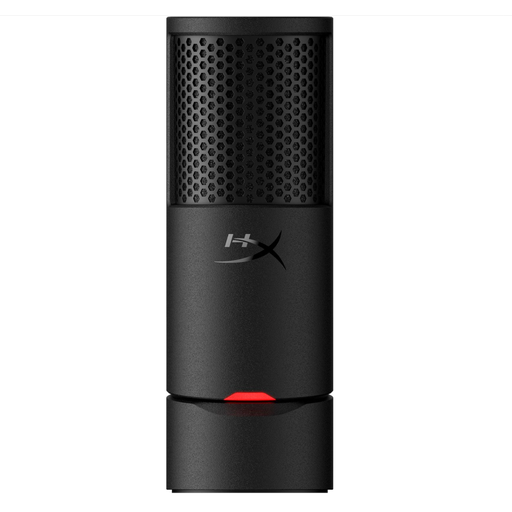 Image unavailable
HyperX SoloCast 2 USB microphone
An option if you want a USB desktop setup for spoken content; use a test recording to assess reverberation where you plan to record.
The product name lists plug-and-play, a cardioid pickup pattern and a black finish.
Joybuy
 Image unavailable
Razer SEIRĒN V3 MINI Quartz USB microphone with tap-to-mute control
Could suit a desktop setup where you want to mute the microphone while recording; make a test recording to hear how your room sounds.
The product name lists USB and tap-to-mute control; Quartz is the stated variant.
Joybuy
Frequently asked questions
Can software fix the reverberation in my room?
Don’t count on it. Shure explains that a microphone cannot completely separate direct speech from reflections. First, move the microphone closer and assess a test recording; digital noise-reduction features vary by model.
Do I need an audio interface for these USB microphones?
You generally don’t need a separate XLR audio interface to record directly via USB, but check that the cable and connection are compatible with your computer. If you want to use the XLR output, check what mixer, audio interface or other suitable equipment you’ll need.
How can I keep my recording setup comfortable to use during longer sessions?
Set up the microphone securely where your test recording sounded good, keep your speaking distance as consistent as possible and listen back to the recording. For spoken content using a dynamic microphone, RØDE generally recommends speaking 2–6 inches from the grille. This is a technique tip, not a fixed requirement for every model or voice.
What if the microphone I bought online isn’t right for my room?
For eligible online purchases in the Netherlands, you’ll often have a 14-day cooling-off period, according to the Dutch government. Circumstances and exceptions may apply, so check who the seller is and what returns information applies to the specific offer.
Can I use museum text, music or recognisable voices in a published audio tour without permission?
First, check the rights relating to the material and any identifiable people. The Dutch government says that permission is generally required to use copyright-protected texts and music. According to the Dutch Data Protection Authority, you also need an applicable legal basis to process or publish other people’s personal data. This doesn’t mean you automatically need anyone else’s permission to record only your own original text.


