What should you look for when buying?
For long audio description sessions, start by assessing your recording chain and working environment, then compare the microphone features. The percentages below show how many consumers in this specific buying context consider each factor their top priority.
| What to consider |
What to look for |
Who is this important for? |
| Recording continuity |
Test your computer, software, cable and connections together. Also check how much storage space is available. |
I don’t want to discover afterwards that parts of a long recording are missing. Recording continuity is the top priority for around 33% of consumers. |
| Room noise |
Compare speaking close to a dynamic microphone with using a condenser microphone in a quiet room. Make a test recording in your own room. |
I want my voice to remain clear, even if my room isn’t completely quiet. Room noise is the top priority for around 27% of consumers. |
| Monitoring and mixing |
Check that the model has a headphone output and can mix computer audio with the microphone signal. |
I want to monitor my voice and the source material playing at the same time, and adjust the balance between them. This is the top priority for around 20% of consumers. |
| Setup and controls |
Check that the stand or boom arm suits your workspace and that the gain and mute controls are easy to reach. |
During long sessions, I want to position and use the microphone comfortably without constantly changing my posture. Ease of setup matters most to around 20% of consumers. |
Joybuy products
This selection includes USB-C microphones for mobile speech recording, monitoring and hands-free use, as well as a USB condenser microphone. Check that the connection and recording equipment suit your long audio description sessions. A mobile receiver won’t necessarily work with every computer setup.
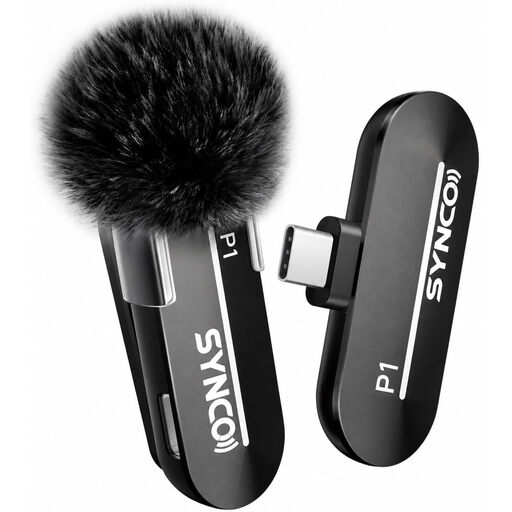 Image unavailable
SYNCO P1XT USB-C wireless microphone
An option for mobile recording when you want to monitor the audio through the receiver.
The product description lists a USB-C receiver, real-time audio monitoring and up to 6 hours of use. Check that the connection works with your device and recording app.
View at Joybuy
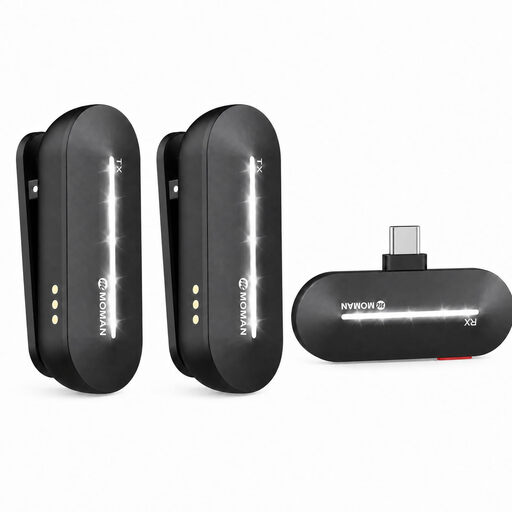 Image unavailable
Moman M1CXT USB-C, 2TX+1RX
The two transmitters may be useful if you want to record a second speaker as well as your own voice.
According to the product information, the set includes two transmitters and a USB-C receiver, with up to 6 hours of use per transmitter. Check your recording device’s connection.
View at Joybuy
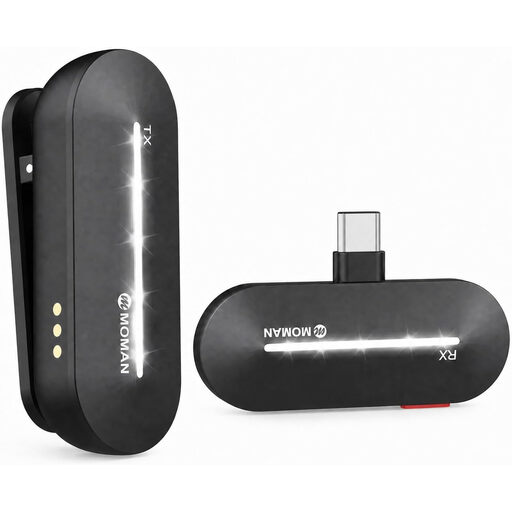 Image unavailable
Moman M1CT USB-C, 1TX+1RX
A mobile option if you want to use a clip-on microphone while recording.
The product description lists a USB-C receiver, an omnidirectional microphone and up to 6 hours of use. Check that your mobile device is compatible before buying.
View at Joybuy
 Image unavailable
USB condenser microphone with cardioid pattern
An option to compare if you’re looking for a USB condenser microphone with on-mic controls.
The product description lists a cardioid pattern, headphone output, gain and mute controls, and a boom arm stand included. Make a test recording to see how the setup works in your room.
View at Joybuy
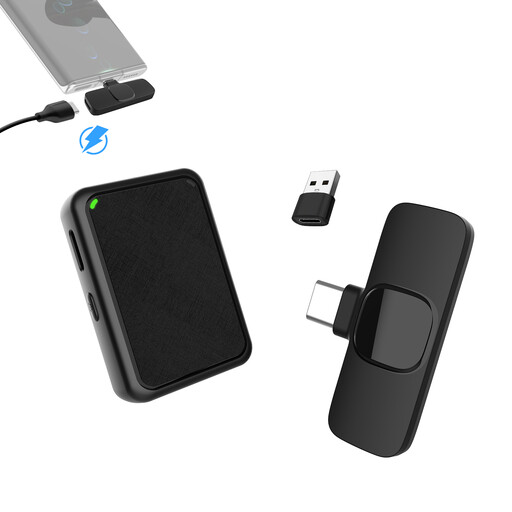 Image unavailable
Moman MB1C USB-C, 1TX+1RX
A hands-free option for mobile recording if you want to attach the transmitter to your clothing.
The product name lists compatibility with iPhone 18/17/16 and a USB-C receiver. The product description states up to 8 hours of battery life. Check that your recording device is one of the models listed.
View at Joybuy
Frequently asked questions
Is a headphone socket enough to hear source material too?
Not always. Check whether the specific model sends computer audio to the headphone output and has a mix control. These features are listed, for example, for the Sennheiser Profile and Audio-Technica AT2020USB-X.
What should you check before a long recording?
Make a test recording using your own computer, cable and software. Audacity lists computer load and faulty cables or connections as possible factors in recording dropouts. Also check your available storage space and save your project to the drive you want to use before recording.
Do you always need a separate microphone boom arm?
No. Manufacturers list a desk stand as included with models such as the Sennheiser Profile, RØDE NT-USB+ and Audio-Technica AT2020USB-X. Choose a separate arm if your posture or preferred positioning calls for one, and check that the mount fits the exact model.
What are your rights when buying a microphone online in the Netherlands?
According to ACM ConsuWijzer, ordinary online product purchases usually come with a statutory cancellation period of up to 14 days after delivery, subject to exceptions. Products must also meet the standards you could reasonably expect when used normally. The statutory guarantee isn’t simply a fixed period that applies to every microphone.
Does a CE mark mean the sound quality has been approved?
No. The European Commission describes CE marking as an indication that a product meets the applicable EU product requirements; it isn’t an independent sound quality test. The requirements for a specific product depend on the product rules that apply to it.


