Start by deciding whether you’ll record one voice or several actors at once, with each voice edited on a separate track. For multiple voices, proven compatibility between the microphones and software is essential. For solo work, microphone placement, monitoring and included accessories all matter. Both a dynamic microphone for close-mic recording and a cardioid condenser microphone could be suitable, but neither will automatically silence a reverberant room.
Which setup is right for you?
Creator recording multiple actors
If you record dialogue at the same time and want to edit each voice separately, check that the microphones, software and recording channels work together. RØDE documents separate-track recording in RØDE Connect for compatible setups.
Voice artist in a challenging room
If you record close to the microphone in a room with audible background noise or echo, pay attention to placement and monitor the recording as you go. Sound On Sound recommends monitoring while recording; the microphone type alone can’t guarantee a quiet room.
Solo creator at a desk
If you record characters one at a time, compare the controls, headphone socket and included accessories for the exact model. Manufacturers such as RØDE, Audio-Technica and Sennheiser describe desk setups for specific models.
What should you look for when choosing?
Multiple actors on separate tracks
Choose this if: you record actors at the same time and want to edit their voices separately. RØDE describes multitrack recording in RØDE Connect with compatible microphones.
Keep in mind: model compatibility, software and enough connections; RØDE recommends a powered hub if you need extra USB ports.
Dynamic microphone for close-mic recording
Choose this if: you can consistently record close to the microphone during dialogue and might want to move to an XLR setup later. According to their manufacturers, the RØDE PodMic USB and Shure MV7+ have both USB and XLR connections.
Keep in mind: speaking distance and placement; these microphones aren’t guaranteed to eliminate room noise. Also check which mounting option you’ll need.
One voice at a desk
Choose this if: you mainly record solo and are considering a USB condenser microphone with desk accessories and direct monitoring. RØDE, Audio-Technica and Sennheiser describe these features for specific models.
Keep in mind: a directional pickup pattern won’t silence a reverberant room. Also check the cable, stand and pop filter included with the exact model.
The percentages show which buying priority matters most when choosing a USB microphone for recording audio dramas at home. If you have several requirements, you’re grouped under the priority that has the biggest influence on your choice.
| What matters |
What should you check? |
Who values this? |
| Separate tracks |
Check that the exact microphone model supports multichannel recording and that the relevant setting is enabled. |
If I record several actors at once, I want to be able to edit their voices on separate tracks afterwards. Around 33% of consumers prioritise recording dialogue simultaneously on separate tracks. |
| Your recording space |
Compare the pickup pattern and placement, then make a test recording at your intended speaking distance. |
If my room is echoey or noisy, I want to assess how placement and speaking distance affect the recording first. Around 27% of consumers prioritise clear speech in their own space. |
| Monitoring |
Check for a headphone socket and, if you want to hear your computer’s output, an adjustable monitor mix. |
While recording, I want to check my voice and any dialogue from other actors. Around 20% of consumers prioritise direct monitoring and control over the monitor mix. |
| A complete starter setup |
Compare the accessories included with the exact model against your computer ports and preferred microphone position. |
If I want to get started at my desk without missing parts, the cable, stand and pop filter matter to me. Around 20% of consumers prioritise a suitable, complete starter setup. |
Common buying mistakes
-
Assuming a USB connection means you can record each voice on a separate track
Connecting a microphone and recording separate tracks are two different things. RØDE describes multitrack recording with compatible microphones in RØDE Connect; that doesn’t mean any USB microphones will work together.
Check compatibility with the exact model and make a short multichannel test recording before a longer session.
A setup for multiple actors may require extra microphones, compatible software and a powered USB hub.
-
Treating the NT-USB and NT-USB+ as the same model
RØDE says the older NT-USB isn’t compatible with RØDE Connect, and documents Connect features for the NT-USB+.
Compare the full model name if you want to record with multiple microphones.
-
Assuming a cardioid pattern or noise processing guarantees a quiet room
A directional pickup pattern or a manufacturer’s claim doesn’t prove how a microphone will sound in your room. Echo and background noise can still end up in your dialogue recording.
Test the voice, distance and background noise in your intended space, then listen back to the test recording.
Getting a suitable recording may take extra time to adjust the microphone placement or the room.
-
Assuming every set will fit your computer and mounting setup straight away
A USB-C cable, desk stand or microphone arm won’t necessarily suit every computer port or preferred setup. For example, the Profile USB and Profile Streaming Set come with different mounting options, according to Sennheiser.
Check the port, cable, included contents and preferred microphone position for the exact model.
You may need a different cable, adapter or microphone arm if the included parts don’t suit your setup.
Brands to consider
RØDE
RØDE positions the PodMic USB for close-mic dialogue and the NT-USB+ for a desk-based condenser setup. The manufacturer describes software support for compatible models.
- The product specifications list USB/XLR and a headphone output for the PodMic USB; the NT-USB+ is listed with a desk stand and pop filter.
- According to RØDE, the older NT-USB isn’t compatible with RØDE Connect. Check the full model name and software requirements.
Shure
According to Shure, the MV7+ is a dynamic USB/XLR microphone for close-mic recording, with a headphone socket and settings controlled through MOTIV Mix.
- Shure lists features including a mute control and automatic level adjustment.
- Claims about reducing background noise aren’t a guarantee for your room. Check the app requirements and the mounting option you need.
Audio-Technica
According to Audio-Technica, the AT2020USB-X is a cardioid USB condenser microphone for uses including spoken-word recording at a desk.
- The manufacturer lists direct monitoring, a mix control, a desk stand and a USB-C-to-USB-A cable with adapter.
- A shock mount is listed as an optional accessory. The stated 24-bit/96-kHz conversion doesn’t in itself prove that it will deliver a better audio drama recording.
Sennheiser
According to Sennheiser, the Profile USB is a cardioid condenser microphone with USB-C and on-microphone controls, designed for a simple desk setup.
- According to Sennheiser, the standard configuration includes a desk stand and a 1.2 m USB-C cable.
- The Streaming Set adds a boom arm. Check which version is on offer and don’t assume it includes accessories from both sets.
USB microphones at Joybuy
This selection includes a wireless set for two speakers and USB microphones for solo desk recordings. Check how each model’s computer connection, monitoring and included accessories suit your recording setup.
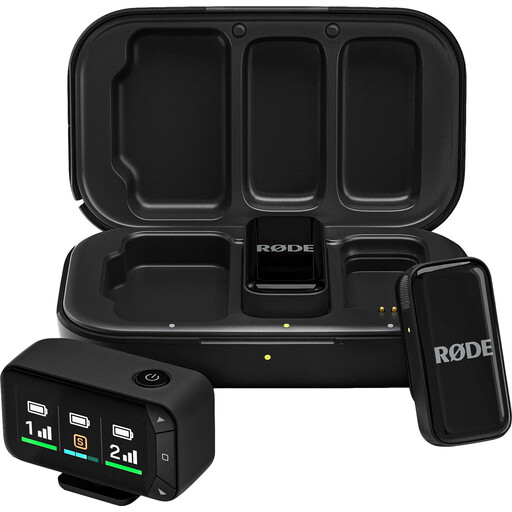 Image unavailable
RØDE Wireless Micro wireless microphone set with two transmitters
Could be a good fit if you want to record two speakers at once and connect the set to a computer via USB-C.
The product description lists two transmitters that can be used simultaneously and a USB-C receiver that can work as a USB audio device on a computer. You’ll need an available USB-C port.
View at Joybuy
 Image unavailable
USB condenser microphone with cardioid pattern
A possible desk option for a solo voice if you want to monitor the recording as you go.
The product information lists a cardioid pattern, zero-latency monitoring and a headphone socket. The described accessory set includes a boom arm, shock mount and pop filter; check the version included with the offer.
View at Joybuy
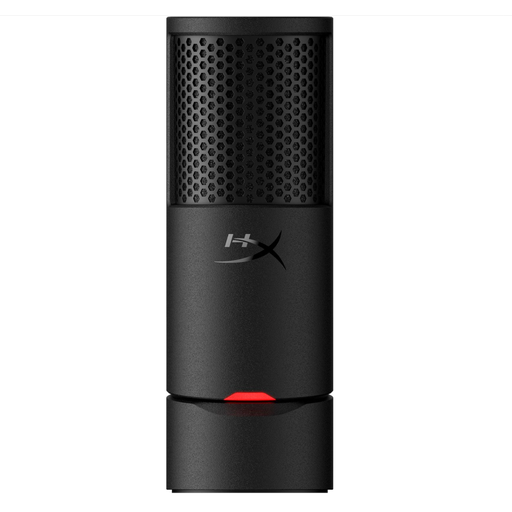 Image unavailable
HyperX SoloCast 2 USB microphone
Could suit solo desk recordings if you’re looking for a USB microphone with a stand and pop filter.
The product description lists a cardioid pattern, podcast and voice recording, an integrated shock mount and pop filter, a stable stand and a USB-C-to-USB-A cable.
View at Joybuy
 Image unavailable
Razer Seiren V3 Mini Quartz USB microphone
Could suit voice recording at a desk if you’re looking for a compact USB microphone with a mute control.
The product description lists a supercardioid pickup pattern and a tap-to-mute function.
View at Joybuy
Frequently asked questions
Can I connect several random USB microphones and edit each actor separately?
Don’t assume so: a USB connection alone doesn’t guarantee separate tracks. RØDE documents a setup using compatible RØDE USB microphones in RØDE Connect. Enable multitrack recording and check model compatibility and available computer ports before buying.
How should I position a microphone and pop filter for spoken-word recording?
Point the recording side towards the speaker and listen back to a test recording. For the NT-USB+, RØDE identifies the gold dot as marking the front and recommends using the pop filter for speech to reduce plosive sounds; this advice applies to that model.
In the Netherlands, does your warranty automatically end after two years?
No. According to ACM ConsuWijzer, Dutch statutory warranty doesn’t have a fixed duration of exactly two years: it depends on what you could reasonably expect from the product with normal use. If a product is faulty, contact the seller; a manufacturer’s warranty doesn’t replace your statutory rights.
Does every USB microphone need a CE mark?
That depends on the product rules that apply to the specific model. The Dutch government says CE marking is required for certain product groups, but not every product, so check the documentation for the exact model.
Can I use existing books or music in a published audio drama without permission?
Don’t assume you can if the material is protected by copyright. The Dutch government distinguishes between making a private copy for personal use and distributing or making material available to the public; buying a microphone doesn’t grant you the rights to use it.


