What should you look for?
Start with the room acoustics and speaking distance. Then consider the recording controls you want and check that the connection and mounting options suit your device and workspace.
| What to consider |
What to look for when buying |
Who is this important for? |
| Keeping your voice clear |
Check whether you can position the microphone directionally, and make a test recording in the room you plan to use. |
I want to record clearly in an ordinary room without expecting the microphone to remove room noise; around 36% of consumers say background noise is their top buying priority. |
| Plosives and positioning |
Check the pop filter, mounting options and distance guidance for your exact model. |
When speaking close to the microphone, I want to reduce plosives and maintain my speaking position; around 29% of consumers give plosives and positioning top priority. |
| Monitoring your recording |
Compare the headphone output, volume control and any mix control. |
For longer narration, I want to monitor my voice and levels while recording; around 21% of consumers put recording monitoring first. |
| Connection and setup |
Check the USB port, cable, device compatibility and whether the supplied stand suits your speaking position. |
I want to record using my own device without an unnecessarily complicated setup; around 14% of consumers name connection and setup as their main consideration. |
USB microphones and speech recording options
This selection includes USB microphones for desk-based speech recording and a wireless USB-C option for mobile use. Check that the connection and setup suit your recording device for each model.
 No image available
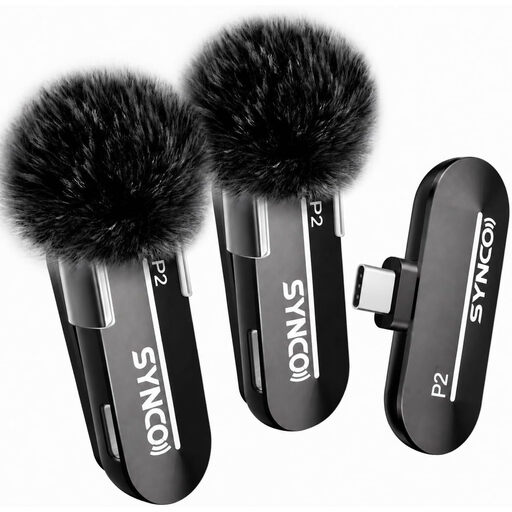
SYNCO P2XT USB-C Wireless Microphone
A clip-on lavalier option for mobile speech recording; check that the receiver is compatible with the device you want to record on.
The product information lists a USB-C receiver and compatibility with Android devices with Type-C when OTG is enabled.
View at Joybuy
 No image available
USB condenser microphone with accessory kit
A desk-based option for speech recording if you want to include an arm and pop filter in your setup.
The product description lists a cardioid pickup pattern, an arm, shock mount, pop filter and a 3.5mm headphone socket for monitoring.
View at Joybuy
 No image available
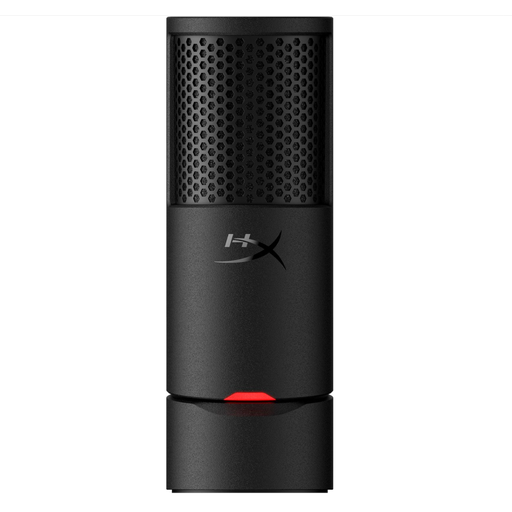
HyperX SoloCast 2
A USB microphone for a desk setup; the product description mentions voice recording and a stable base.
The description lists a cardioid condenser capsule, an integrated shock mount and an integrated pop filter.
View at Joybuy
 No image available
Razer Seiren V3 Mini Quartz
A compact USB option for voice recording if you’re looking for a small desk or portable setup.
The product information lists a supercardioid pickup pattern and tap-to-mute control.
View at Joybuy
Frequently asked questions
How close should you speak?
Follow the distance guidance for your specific microphone. RØDE recommends around 5–10 cm, pointing towards your mouth, for the PodMic USB and around 10–15 cm for voice-over with the NT-USB Mini. Then make a test recording at your usual speaking volume.
Can you record directly to a laptop or tablet?
It depends on the connection and device. For the NT-USB Mini, RØDE lists a USB-C-to-USB-A cable and notes that some USB-C and Lightning devices require a different cable or adapter. Also check your recording settings and select the microphone as the input.
Do you need to pay extra for a manufacturer’s warranty?
A paid extended warranty is separate from the statutory protection that applies when buying as a consumer in the Netherlands. According to the Dutch government, there is no fixed statutory warranty period in the Netherlands, and the retailer is your point of contact if a product is faulty. So, assess any additional warranty based on what it offers beyond your statutory rights.
Can you include recognisable voices of other people in a publicly distributed travel guide?
If a recording contains personal data, you need a lawful basis under the GDPR to collect and use it; consent is one option. The Dutch Data Protection Authority says that consent is required in most cases to publish personal data online, with a separate exception for purely personal or household use. How this applies to a particular recording depends on its content and distribution.


