
Reading aloud in a quiet room
You practise alone at a desk and want to listen back to your pronunciation and pace. Check whether you can position the microphone towards your mouth and whether its connection is compatible with your recording device.


If you practise at a desk in a quiet room, start with a directional USB desktop microphone that connects directly to your device. If you can speak close to the microphone while reading, consider dynamic USB models too. Neither type of microphone makes background noise disappear on its own, and cables, controls and monitoring vary by model.
You practise alone at a desk and want to listen back to your pronunciation and pace. Check whether you can position the microphone towards your mouth and whether its connection is compatible with your recording device.
You can speak close to the microphone while practising, but you can also hear sounds from the room in your test recordings. In that case, microphone placement and a realistic test recording matter more than promises of noise cancellation.
You record several versions and want to hear how your voice sounds straight away. Check whether direct headphone monitoring and the controls on the microphone suit the adjustments you want to make while practising.
Suitable for: practising at a table in a quiet room, with a simple computer setup. RØDE lists a desk stand, pop filter and headphone output for the NT-USB Mini; Sennheiser lists a headphone output and gain and monitor mix controls for the Profile.
Bear in mind: point the microphone towards your mouth and make a test recording in the room. A condenser microphone will not make a noisy room quiet by itself.
Suitable for: reading in a set place where you can consistently speak close to the microphone. According to their manufacturers, the RØDE PodMic USB and Audio-Technica ATR2100x-USB offer USB and XLR connections.
Bear in mind: speaking close up and positioning the microphone correctly are still important. RØDE recommends a distance of around 5–10 cm for the PodMic USB; you do not need XLR for ordinary USB recording.
Suitable for: repeated reading sessions where you want to adjust the level or hear yourself directly. The Sennheiser Profile has gain, mix and volume controls; the Shure MV7+ has a headphone socket and features available through MOTIV Mix.
Bear in mind: check whether the features you want work on the microphone itself or require additional software. Shure's claims about noise processing do not guarantee a quiet recording environment.
| Priority | What should you check? | Who is this important for? |
|---|---|---|
| Listening back to clear speech | Make a test recording from your usual reading distance. Check whether you can point the microphone towards your mouth while reading from paper or a screen. | If I want to assess my pronunciation and delivery, I need to be able to hear my voice clearly in a test recording. Around 33% of consumers prioritise speech clarity. |
| Noise in the room | Listen to a test recording made in your usual practice spot and at your usual time. Try repositioning the microphone or moving to a quieter room too. | If there is noise in my room, I want to know what difference a different spot or shorter speaking distance will make before choosing a microphone. Around 25% of consumers say room noise is their main concern. |
| Connection to your device | Compare the port on your computer, phone or tablet with the cable supplied, and check compatibility for the exact model variant. | I want to make sure the microphone, cable and recording device are compatible before anything else. Around 17% of consumers prioritise device compatibility. |
| Listening in real time and making adjustments | Check whether you can connect headphones directly and whether the controls you want are available on the microphone or through software. | If I want to hear what is being recorded as I practise, direct monitoring matters to me. Around 17% of consumers prioritise direct control. |
| A complete basic setup | Compare the exact box contents with what you already own, such as a compatible cable, stand and headphones. | I want to get started without having to choose accessories I do not need. Around 8% of consumers consider a complete basic setup important. |
Neither type of microphone eliminates background noise. Shure's statements about processing apply to its own models and do not guarantee how a recording will sound in your room.
First, make a test recording where you normally read. Only choose a model designed for close-up speaking if you can maintain that distance while reading aloud.
The microphone's connection and the cable supplied together determine whether you can connect it directly. RØDE lists a USB-C-to-USB-A cable with the NT-USB Mini.
Before buying, compare both ends of the cable with your device's port and check compatibility for the exact model. You may need a suitable cable or adapter for a different port.
The Sennheiser Profile with desk stand is not the same version as the Profile Streaming Set with microphone arm. The variant determines which parts you can set up straight away.
Check the exact model name and box contents to make sure they include the stand, arm and cable you need for your reading space. If a stand or arm is not included, you may need to arrange one separately.
Worth considering if you are comparing a compact USB desk setup with a dynamic USB/XLR model for speaking close up.
The Profile USB Microphone is designed for a desk setup, with controls on the microphone.
The ATR2100x-USB is a dynamic handheld microphone with USB and XLR connections.
The MV7+ combines USB-C and XLR with a headphone socket and features available through MOTIV Mix.
This selection includes USB microphones and mobile USB-C microphones for voice recording. Before buying, check that the connection and any receiver are compatible with the device you want to practise with.
 No image available
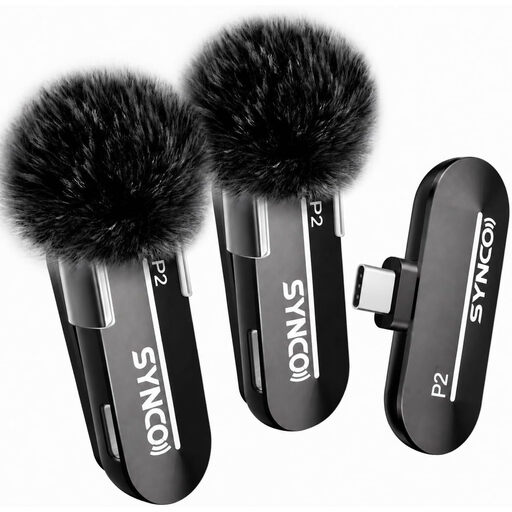
An option for recording your voice with a compatible mobile device.
The product name describes a wireless microphone with USB-C.
 No image available
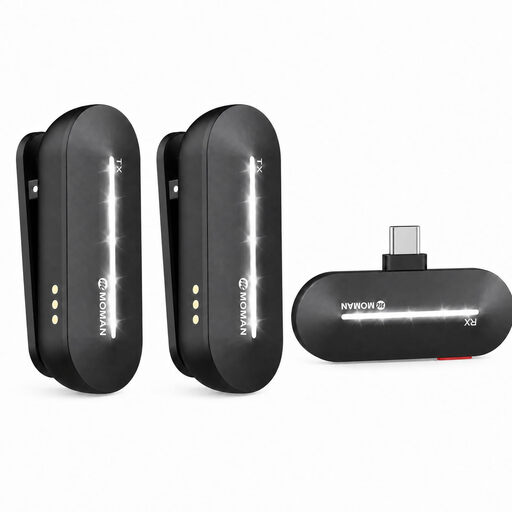
A clip-on option for recording your voice while keeping your hands free.
The product name specifies USB-C and a 2TX+1RX set.
 No image available
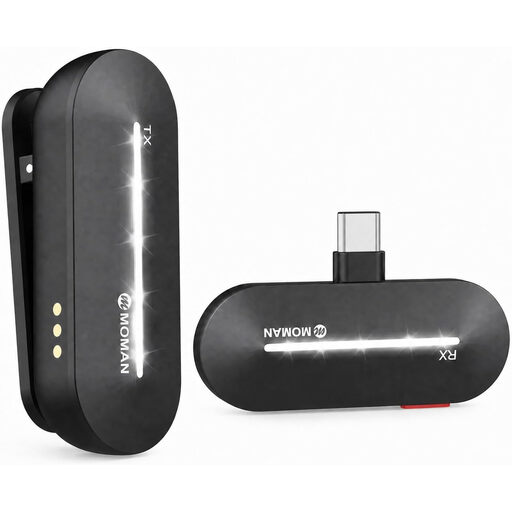
A clip-on option for recording your voice with a compatible USB-C receiver.
The product name specifies a 1TX+1RX set.
 No image available
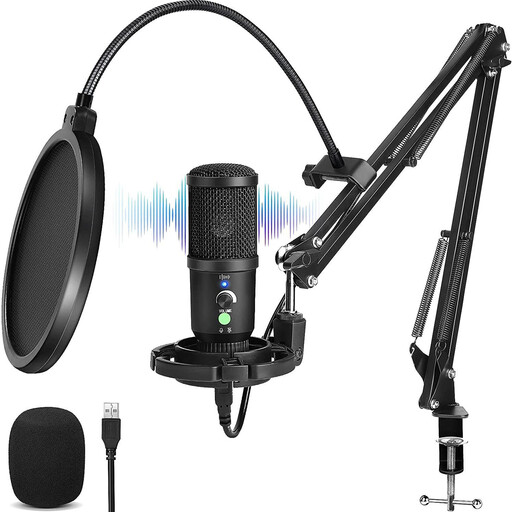
A USB condenser microphone for anyone looking for a desktop model for voice recording.
The product name specifies a cardioid pickup pattern.
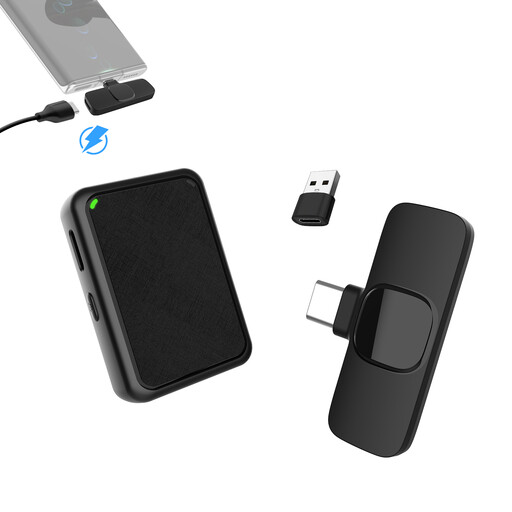 No image available
A clip-on option for hands-free voice recording with a compatible device.
The product name specifies iPhone 18/17/16, USB-C and a clip-on design.
Connect the microphone using a cable that fits your device, select it as the recording source and make a short test recording. RØDE describes selecting the source for the NT-USB Mini; menus and cable requirements vary by device.
Not without making a test recording first. RØDE specifically recommends keeping the PodMic USB around 5–10 cm from the speaker and notes that speaking from further away can sound quiet. Position your reading material so you can speak from the recommended distance.
You generally do not need a separate audio interface for a compatible USB connection to a computer. XLR is a separate connection option and is not required for ordinary USB recording.
When you buy from a business at a distance, you are generally entitled to a 14-day cooling-off period; check which terms apply to your purchase. In the Netherlands, you are also entitled to a product that meets legal requirements under the statutory guarantee. The Dutch government advises contacting the seller if a product is faulty.
Do not assume that a recording made for your own practice can also be shared or made public. The Dutch government distinguishes between a private copy for personal use and distributing or making copyright-protected material public. What is permitted depends on the rights to the text and how you intend to use it.
Check the privacy rules before publishing identifiable voices online. The Dutch Data Protection Authority states that, in most cases, you need permission to publish other people's personal data online. The exception for personal or household use only is not blanket permission to publish something publicly.