
Solo quiz host
You’re recording a single intro with clear variations in volume and expression, and above all want to be able to check the recording level.


For an expressive solo intro, being able to position your microphone well and control the recording level matters more than simply having a high stated sample rate. In a quiet room, a cardioid USB condenser microphone may be a good fit; if there’s room noise or you’re recording close to the mic, consider a dynamic USB model. Either way, make a test recording of both quiet lines and your loudest exclamation. Monitoring and a pop filter can help, but they’re no substitute for checking the recording.
You’re recording a single intro with clear variations in volume and expression, and above all want to be able to check the recording level.
You’re recording somewhere other than a treated studio and want to position the microphone so your speech stays clear and distracting background noise is kept to a minimum.
You sometimes want to record more than one voice and need to decide whether a different recording pattern or separate microphones will suit your setup.
Start with level control and positioning. Then consider extra monitoring or additional recording patterns only if you need them for your setup.
| Key consideration | What to look for when buying | Who cares about this most? |
|---|---|---|
| Changing vocal volume | Check for gain or level control, and make a test recording of both quiet speech and your loudest exclamation. | If I start quietly and then make an enthusiastic exclamation, I want to hear whether both parts have been recorded well. Around 29% of consumers prioritise changing vocal volume. |
| Room noise | Check the recording pattern and whether you can position the microphone securely close to your mouth; test it where you plan to record. | If my room is audible, I want to position the microphone carefully and check the speech clarity for myself. Around 23% of consumers give room noise top priority. |
| Plosive sounds | Check which pop filter is compatible with the exact model, and record a test sentence with emphatic p and b sounds. | When I say words emphatically, I want to be able to spot distracting bursts of air in my recording. Around 18% of consumers put plosive sounds top of their list. |
| Monitoring and connections | Check the headphone socket, the USB cable supplied and compatibility with your recording device. | If I want to monitor my voice while recording, I also want to make sure the connection works with my device. Around 18% of consumers prioritise monitoring and connectivity. |
| Multiple voices | Decide where each speaker will sit, then make a test recording from both positions using the recording pattern you intend to use. | If my intro sometimes turns into a conversation, I want to check whether one microphone can cover both speakers’ positions. Around 12% of consumers prioritise recording multiple voices. |
A stated sample rate alone doesn’t tell you whether the recording level will hold up when you make a loud exclamation.
Record your full vocal range, from quiet speech to exclamations, and check the meter and recording for distortion.
RØDE describes the NT-USB Mini as having a built-in pop filter and coming with a USB-C-to-USB-A cable. The older NT-USB has an external pop shield and has been discontinued according to RØDE; it’s not the same version as the Mini or NT-USB+.
Check the full model name, connection and included accessories in the exact product listing.
How well a recording pattern works depends in part on where the speakers are positioned. JBL describes the patterns on the Quantum Stream Studio for different speaker setups.
Decide where both voices will be and listen to a test recording from each position.
RØDE describes the NT-USB Mini as a compact USB condenser microphone for solo speech.
The MV7+ is a dynamic USB microphone for speech recorded close to the mic.
The Quantum Stream Studio may be worth considering if a quiz intro sometimes expands from one voice to several.
The Seiren V3 Mini is a compact USB condenser microphone for a small solo desk setup.
The Wave:3 MK.2 is designed for creators who want to use automatic gain control and built-in voice processing.
This selection includes USB microphones for desk use and wireless USB-C microphones. Check which style and connection suit your recording setup.
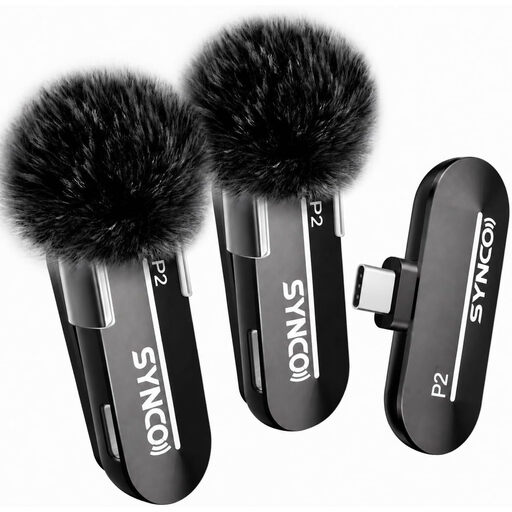 No image available
Worth considering if a wireless USB-C microphone suits your recording setup.
The product title mentions USB-C and a wireless microphone.
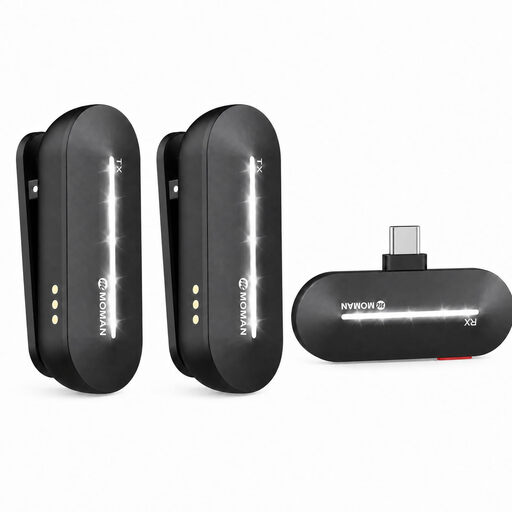 No image available
Worth considering if you’re looking for a wireless lavalier microphone with a USB-C receiver.
The product title mentions USB-C, 2TX+1RX and a 150m range.
 No image available
Worth considering for voice recording with a USB condenser microphone.
The product title mentions a cardioid pattern and monitoring through a headphone socket.
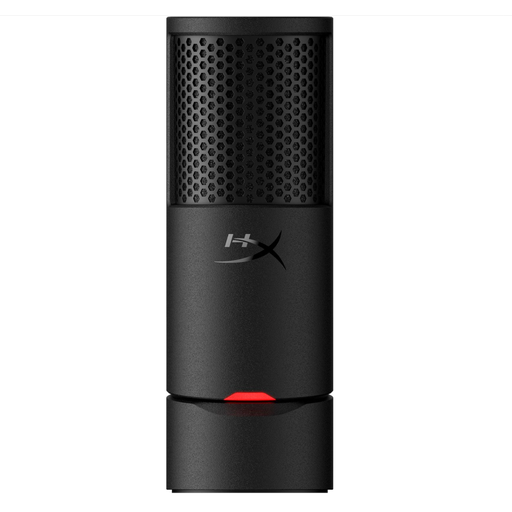 No image available
Worth considering for a solo setup with a USB microphone.
The product title mentions a cardioid pattern and the colour black.
 No image available
Worth considering if a compact USB microphone with simple mute controls suits your desk setup.
The product title mentions an ultra-compact USB microphone with tap-to-mute.
Record both your quietest line and your loudest exclamation, then listen back to the recording, preferably through headphones. Shure recommends making a short test recording with a dynamic microphone and avoiding clipping; adjust the distance or gain if the recording is distorted.
For direct computer recording with the RØDE NT-USB Mini, RØDE describes connecting via USB and selecting it as the audio input, without a separate audio interface. Check which cable or adapter your recording device needs.
For a consumer purchase in the Netherlands, the seller must offer a solution if the product doesn’t meet the terms of the agreement. The Dutch government states that a 14-day cooling-off period applies to many distance purchases; check the terms that apply to your purchase.
European RoHS rules restrict certain substances in electrical and electronic products, subject to applicable exemptions. CE marking applies to products covered by specific EU rules; the general EU guidance doesn’t prove that an individual model on sale meets all applicable requirements. Check the product and seller information for the specific model.
This depends on how the recording is used and which privacy rules apply. The Dutch Data Protection Authority states that organisations need a valid legal basis to process personal data and that consent is generally required for public publication. It also describes an exception for use that is exclusively personal or domestic; this doesn’t mean that every recording without consent is prohibited.