
Solo quiz host in a reverberant room
Your main priority is making sure your spoken intro is clear, and you can position the microphone close to your mouth. This is in line with Shure and RØDE’s guidance on microphone placement.


For a solo quiz intro, a directional dynamic USB microphone with a headphone output is a practical starting point if you can position it close to your mouth and want to monitor the recording as you go. A directional pickup pattern won’t remove room echo by itself, so placement and distance still matter. Listen to a short test recording in the room where you’ll be recording.
Your main priority is making sure your spoken intro is clear, and you can position the microphone close to your mouth. This is in line with Shure and RØDE’s guidance on microphone placement.
You want to record over USB without a separate audio interface, and need to check that the stand, cable and computer are compatible. Samson describes a Q2U package that includes accessories; check what comes with the version you’re considering.
You want to hear what the microphone is picking up through headphones as you speak, and may want to use an XLR setup later. RØDE, Audio-Technica and Shure product information describes models with USB and XLR connections; check the connections on the exact model.
A directional pickup pattern alone won’t get rid of audible room echo. Shure explains that a microphone can’t effectively separate direct speech from reflected sound. A test recording from your intended position will help you judge the effect of placement.
| What to consider | What should you check? | Who is this important for? |
|---|---|---|
| Clarity in a reverberant room | Can you position the microphone securely close to your mouth? Make a test recording in your usual recording spot. | I want my voice to stay clear, even when there’s noticeable echo in the room. Around 42% of consumers prioritise intelligibility despite room echo. |
| Easy connection | Check the USB connection and whether the required cable and stand are included with that version. | If I want to record without a separate audio interface, I’m looking for a setup that connects directly to my computer. Around 25% of consumers prioritise getting started easily. |
| Monitoring while recording | Check whether the exact model has a headphone output, then listen back to a short test recording. | I want to hear what’s being recorded as I speak, so I can assess the microphone’s position. Around 17% of consumers prioritise monitoring their recording directly. |
| Other recording setups | Decide whether you might want to connect XLR equipment later or need multiple pickup patterns. | If I want to use the microphone in other setups later, I look for suitable connections or pickup patterns. Around 16% of consumers prioritise this future flexibility. |
Even a directional microphone can pick up reflected speech. The distance between the microphone and speaker affects the balance between your direct voice and reflections.
Start by recording a short intro with the microphone close to your mouth, in the spot where you’ll actually use it.
If room acoustics mean you have to record again, you’ll spend extra time on retakes.
If the microphone is further away from you than you’d like, the room’s sound may be more prominent in the recording.
Check what’s included in the box and think about how you’ll position the microphone within speaking distance; you may need a suitable stand or boom arm.
Manufacturers mention voice filters and digital noise processing, but these claims don’t prove that room reflections will disappear from your recording.
Listen to a test recording first, then try any available settings one at a time.
The PodMic USB is a dynamic USB-C/XLR microphone for speech, designed for a fixed, close-up recording position.
The MV7+ combines USB-C and XLR with controls and headphone monitoring for spoken recordings.
The Q2U is a dynamic USB/XLR microphone for anyone looking to put together a speech-recording setup.
The ATR2100x-USB is a dynamic cardioid microphone with USB-C and XLR.
The Yeti is a USB microphone with multiple pickup patterns, for anyone who wants to try different setups.
The Seiren V3 Mini is a compact USB condenser microphone with a supercardioid pattern.
These Joybuy product picks are USB microphones for a solo quiz intro and desk setup. If there’s noticeable room echo, positioning and a test recording are still important.
 No image available
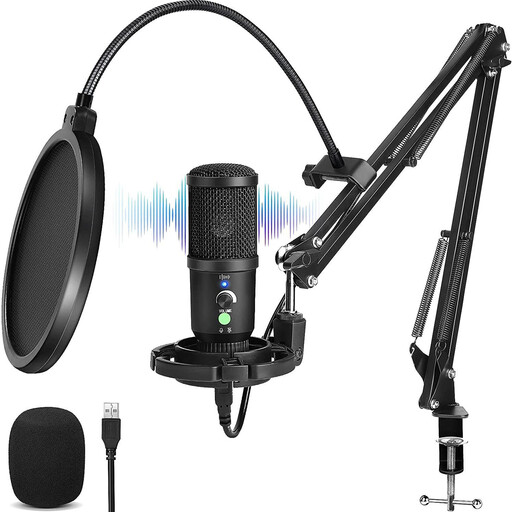
An option for a solo setup if you can position the microphone within speaking distance. Listen to a test recording to assess how the room sounds.
Features listed: USB connection, headphone socket, scissor arm and pop filter.
 No image available
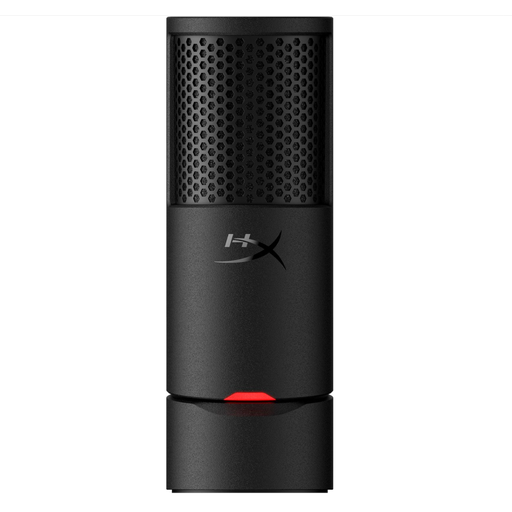
This cardioid USB microphone is an option for a simple desk setup. Make a test recording to assess the echo where you’ll be recording.
Features listed: sturdy stand, pop filter and USB-C-to-USB-A cable.
 No image available
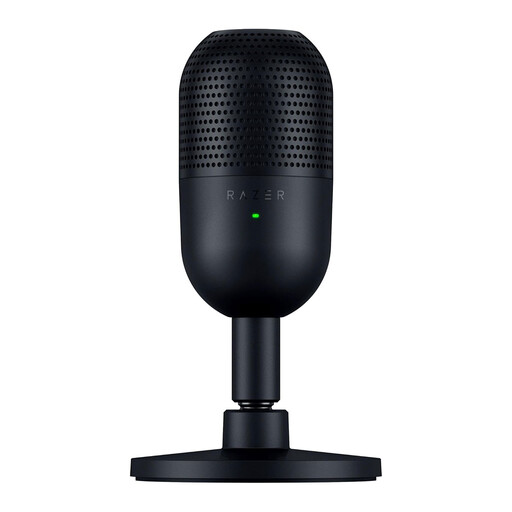
A compact USB condenser microphone for a solo desk setup. A directional pattern doesn’t mean you can skip a test recording in a reverberant room.
Features listed: supercardioid pattern and tap-to-mute controls.
No, not by itself. Shure explains that a microphone can’t effectively separate direct speech from unwanted reflections. Move the microphone closer to your mouth and listen to a test recording made where you’ll be speaking.
Check that the connection on the exact model is compatible with your computer and that you can position the microphone securely within speaking distance. A headphone output on the microphone lets you monitor the sound directly. Listen back to a short test recording to assess the positioning.
For online consumer purchases in the Netherlands, you generally have a cooling-off period of up to 14 days after delivery. Check which exceptions apply to your order. You’re also covered by the statutory guarantee if a product doesn’t meet what you could reasonably expect under normal use. This is separate from any manufacturer’s warranty.
According to the Dutch Government, you need the creator’s permission to use and publish copyright-protected music. Material copied for personal use cannot simply be distributed or made public. The Dutch Data Protection Authority says that, in principle, identifiable information about other people may only be published online with their permission. The precise situation depends on the material and how it is published.