Who is this advice for?

Readers who want to keep booth ambience to a minimum

You’re recording a single voice and want clear words without bringing out the reflections of a small room. Speaking close to the microphone and listening back to test recordings will help you assess the positioning. RØDE recommends a distance of around 5–10 cm for the PodMic USB; this advice applies to this model specifically.

Readers in a quiet booth

You want to assess soft passages and the sound of your voice in a space that already sounds good on playback. Compare directional USB microphones from the same speaking position; a cardioid pattern alone doesn’t guarantee a quiet recording.

Readers who want to monitor their voice as they read

When recording longer pieces or switching between quiet and loud lines, you’ll want to check levels, clarity and plosive sounds as you record. Check whether the exact version has a headphone output for direct monitoring.

What should you look for?

Dynamic USB microphone

Choose this option when: you can speak close to the microphone from a fixed position and the booth is clearly audible in the recording.

Bear in mind: careful positioning and sufficient level for soft passages are important. Speaking close also means paying attention to plosive sounds; choosing a different microphone won’t remove reflections.

Directional USB condenser microphone

Choose this option when: your booth is quiet and sounds good, and you’d like to compare a different vocal sound.

Bear in mind: a cardioid polar pattern won’t automatically make the room quiet. Assess the recording at your intended speaking distance.

What to consider What should you check? Who should pay particular attention?
Clarity and reflections Compare speaking distances and polar patterns, then listen back to a test recording in the booth. If the booth is clearly audible, I want my words to stay clear without bringing out the reflections. Around 33% of consumers prioritise clarity over booth ambience.
Vocal nuances Record the same quiet and loud lines from the same position, then compare the recordings. For poetry, I want to assess quiet words and articulation in a quiet space that sounds good. Around 27% of consumers give assessing vocal nuances top priority.
Direct monitoring Check whether the exact version has a headphone output and direct monitoring. During a long reading, I want to hear the levels and plosive sounds before I carry on. Around 20% of consumers prioritise direct monitoring.
A suitable setup Check USB compatibility, cable length and which stand or accessories are included with that version. In a small workspace, I want to position the microphone at the right speaking height without getting in the way of my setup. Around 20% of consumers give the complete setup the most weight.

Common buying mistakes

  • Assuming a small booth has no acoustic issues

    A microphone can’t separate direct speech from reflections that have already been recorded. As a result, a reading may sound different from what you expect, even in a small room.

    Before making a long recording, record a test from your intended position and listen specifically for the ends of words and reflections.

  • Placing a dynamic microphone too far away for a quiet reading

    RØDE warns that the PodMic USB may sound quiet if it’s too far from the speaker. The recommended distance is specific to this model and doesn’t automatically apply to other microphones.

    Test your quietest and loudest lines. Use RØDE’s recommended distance of around 5–10 cm only as a starting point for the PodMic USB.

  • Treating different versions or bundles as the same package

    Standard models and sets can differ in their setup and included components. A desk stand, arm or pop filter isn’t necessarily included with every version.

    Compare the full model and set name with the contents list before setting up your recording space.

    Depending on the version, you may still need to buy a suitable stand, arm or pop filter separately; check what’s included in the set you choose.

Brands to compare

RØDE

The PodMic USB is a dynamic USB/XLR option for a fixed reading position, with direct headphone monitoring.

  • According to RØDE, the PodMic USB has built-in features to reduce plosive and handling noise, and comes with an external pop filter.
  • RØDE recommends a distance of around 5–10 cm for this model. Positioning still matters; these features don’t prove that booth echo will disappear.

Shure

The MV7+ is a dynamic USB-C/XLR option for anyone looking to compare direct monitoring and adjustable digital features.

  • Shure lists automatic level control, digital features for reducing plosive and background noise, and a headphone output.
  • These features are described by the manufacturer. A bundle with a desk stand isn’t automatically included with every MV7+ version, and the features won’t remove room reflections.

Audio-Technica

The AT2020USB-X is a cardioid USB condenser microphone to compare with a dynamic model in a quiet booth.

  • Audio-Technica lists direct headphone monitoring, a mix control and a desk stand.
  • A suitable shock mount is optional. The model name matters: the non-USB AT2020 and AT2020USB-XP are different versions.

Sennheiser

The Profile USB Microphone is a cardioid USB condenser microphone with on-mic controls for a desk setup.

  • According to Sennheiser, the standard Profile includes a desk stand and USB-C cable; gain, mix, mute and headphone volume can all be controlled directly.
  • The Streaming Set has a different setup with an arm. Check which version you’re looking at, and assess the sound in your own booth.

Joybuy products

This selection of Joybuy products includes USB microphones and compact or wireless microphone options for voice recording. Check that the connection on each version is compatible with your recording device; a wireless lavalier microphone isn’t the same as a fixed USB microphone.

Cardioid USB condenser microphone

Cardioid USB condenser microphone

An option to compare for recording a single voice while monitoring as you record.

The product name lists a cardioid pattern and monitoring through a headphone output. Compare the recording in your booth; the product name doesn’t prove that it will remove room noise.

View at Joybuy
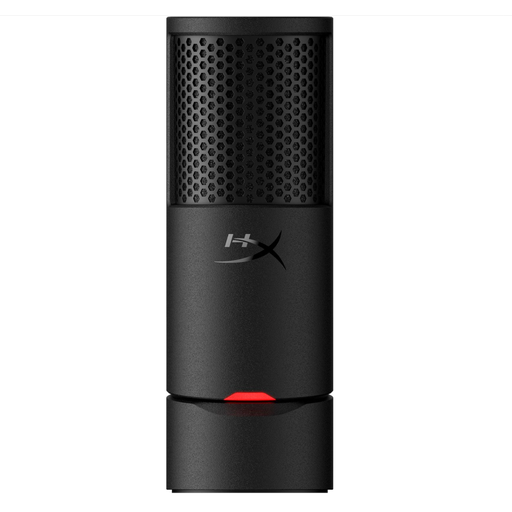
HyperX SoloCast 2 USB microphone

HyperX SoloCast 2 USB microphone

A USB option to compare if you’re looking for a compact desk setup for voice recording.

The product name lists a cardioid pickup pattern, plug-and-play functionality and a black finish. Check that the microphone is at your preferred speaking height, and test for plosive sounds using your own text.

View at Joybuy

Razer Seiren V3 Mini Quartz USB microphone

Razer Seiren V3 Mini Quartz USB microphone

A compact USB option to compare if you want to be able to mute the microphone while reading.

The product information lists a supercardioid pickup pattern and tap-to-mute functionality. See for yourself how its directionality and positioning work in your booth.

View at Joybuy
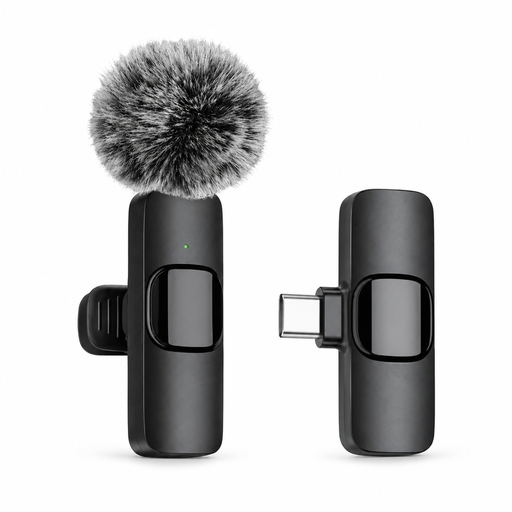
Verbex K9-Black wireless lavalier microphone

Verbex K9-Black wireless lavalier microphone

This wireless lavalier setup is different from a fixed USB microphone for a desk-based reading.

The product name lists a Type-C interface. Before buying, check that the connection and any receiver will work with your recording device.

View at Joybuy
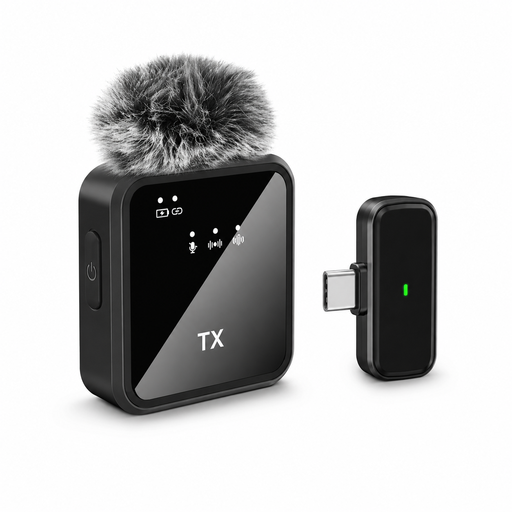
Verbex ST5 wireless lavalier microphone

Verbex ST5 wireless lavalier microphone

A wireless option to consider only if a lavalier setup suits the way you read.

The product name lists a universal interface. Check which connection and components are included with this version, and whether they’re compatible with your recording device.

View at Joybuy

Frequently asked questions

Is a dynamic or condenser microphone better for poetry in a small booth?

It mainly depends on how your booth sounds and how close you can speak to the microphone. A dynamic microphone is a sensible option to use up close if the room is clearly audible; in a quiet booth that sounds good, you could also compare a directional USB condenser microphone. Shure explains that a microphone can’t effectively separate direct speech from recorded reflections, so make test recordings from the same position.

How can I reduce plosive sounds while reading?

Test your speaking distance with words containing p and b sounds, and use a suitable pop filter if needed. RØDE recommends pop filters to help reduce plosive sounds, but a filter is no substitute for good positioning.

Can I hear myself through headphones while recording?

Yes, if the exact microphone version supports direct monitoring through a headphone output and you use that output. Check this for your chosen model; RØDE, Audio-Technica and Sennheiser list this feature for the versions mentioned here.

Can I publish a recording of someone else’s poem?

Don’t assume that recording or owning a microphone gives you the right to publish. According to the Dutch government, a private copy for personal use can’t simply be distributed or made public; permission from the creator may be needed for a protected poem. Check the rights for the specific poem and the publication you have in mind.

What rights apply to an online purchase in the Netherlands?

For eligible online consumer purchases, you generally have a 14-day cooling-off period. You’re also entitled to a product that is of satisfactory quality; according to the Dutch government, the Netherlands doesn’t have a fixed statutory warranty period of two years. Any paid-for extended warranty is in addition to your statutory rights.
