
Poetry readers who want to capture subtlety
For anyone recording a single voice in a quiet room who wants to hear soft passages and clear articulation on playback. Cameranu and RØDE discuss microphone sensitivity, positioning and monitoring.


If you mainly record in a quiet room and want to capture subtle vocal nuances, a cardioid USB condenser microphone is a good starting point. If there’s noticeable echo or background noise, a dynamic microphone that you can position close to your mouth may be more practical. Cameranu describes condenser microphones as more sensitive and dynamic microphones as less sensitive to background noise, but neither type can fix poor room acoustics on its own. Make a test recording with both options, using a soft and a powerful passage, then listen back through headphones.
For anyone recording a single voice in a quiet room who wants to hear soft passages and clear articulation on playback. Cameranu and RØDE discuss microphone sensitivity, positioning and monitoring.
For anyone recording in a room where echo or background noise is noticeable and who can speak close to the microphone. Cameranu and RØDE explain why the room and speaking distance matter.
For anyone switching between quiet commentary and powerful lines who wants to keep an eye on recording levels. Shure and Elgato describe level control and peak protection on specific models.
When discussing poetry expressively, the main considerations are vocal nuance, room acoustics, changes in volume and a suitable setup.
| What to consider | What should you look for? | Who should prioritise this? |
|---|---|---|
| Subtle vocal nuances | Compare soft and normal passages in the same room. Check the polar pattern, headphone monitoring and whether a pop filter is included. | If I want to hear soft lines and clear articulation when recording in a quiet room, vocal nuance comes first; around 33% of consumers give it top priority. |
| Echo or background noise | Make a test recording in your own recording space and check that a stand or boom arm lets you achieve the position you want. | If I record in a room with noticeable echo or background noise, I want to assess how clearly my voice comes through; around 25% of consumers put this concern first. |
| Changes in volume | Record the loudest passage at the distance you intend to use and check the meter. Compare the sound with processing switched on and off, if that setting is available. | If my reading shifts from quiet lines to powerful exclamations, I want to monitor the level while recording; around 25% of consumers prioritise changes in volume. |
| Connection and setup | Check the requirements for the exact version, along with the cable, stand or boom arm, pop filter and headphone connection. | If I want to get started without making extra changes to my recording space, I look for a connection and setup that suit my equipment; around 17% of consumers put ease of setup first. |
A sensitive microphone can also pick up background noise in a less quiet room.
Compare a test recording in your own room and listen to the balance between your voice and the sound of the room.
A dynamic microphone still needs to be positioned appropriately. According to RØDE, placing the PodMic USB further away may result in a quieter signal.
Check which side to speak into and test the distance that suits your reading. For the PodMic USB, RØDE recommends around 5–10 cm; this recommendation does not automatically apply to other models.
You may need a suitable boom arm or stand to maintain the desired speaking distance.
Microphones vary in their connections, included accessories and computer requirements. For the Wave:3 MK.2, Elgato specifies Windows 11 or later, macOS 14.2 or later and a USB-C port.
Before buying, check the requirements for the exact version and which components you’ll need for your setup.
If you need a stand, a suitable cable or other recording equipment, you’ll need to provide those separately for your setup.
The Dutch Government distinguishes between a private copy and distributing or making protected work available to the public. Auteursrecht.nl outlines the conditions for quotations; these do not automatically allow you to perform an entire poem.
Limit quotations to what you need for your discussion, and credit the creator and source. Check separately whether you need permission to perform the entire poem.
The NT-USB+ is a condenser model supplied with a desktop stand and pop filter; the PodMic USB is a dynamic model with USB-C and XLR for close-miked speech.
The dynamic MV7+ is designed for a single voice and, according to Shure, has an automatic level mode.
The Wave:3 MK.2 is a cardioid USB condenser microphone. Elgato lists Auto Gain and Clipguard 2.0.
According to Audio-Technica, the AT2040USB is a dynamic USB model with a hypercardioid polar pattern for voice recording.
These products are intended for voice recording via USB or a PC setup connected by USB. Check that each model’s connection and setup suit your reading.
 No image available
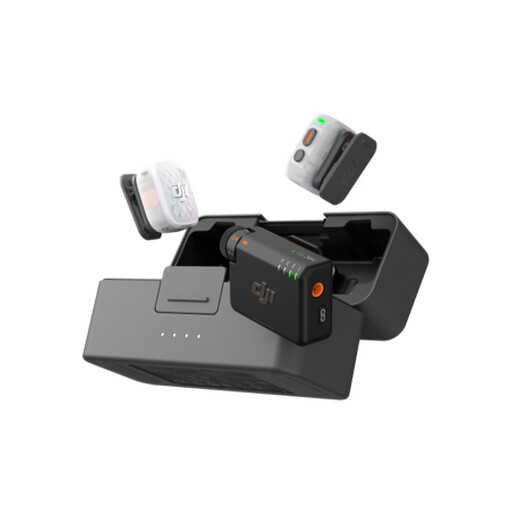
Could be a good fit if you’re looking for a wireless microphone system and your PC setup supports the USB-C connection described. Check that this approach works with your recording process.
The set includes 2 TX, 1 RX and a Charging Case. The product description lists internal 32-bit float recording and AI noise reduction.
 No image available
An option to consider if you want to record a single voice via USB and monitor your sound as you speak.
The product description lists a cardioid pattern, headphone monitoring and a gain control. The stated accessory set includes a boom arm and pop filter.
 No image available
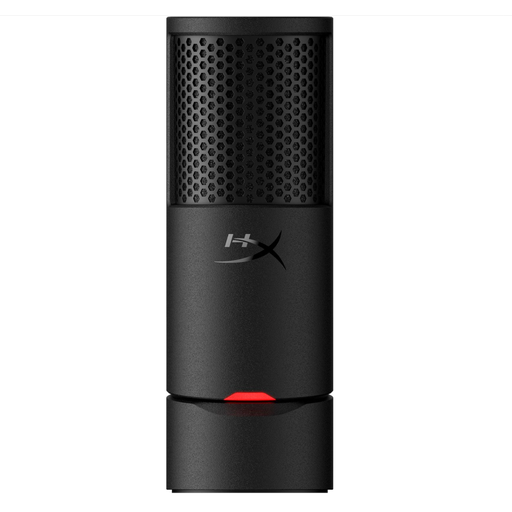
Could suit a desktop voice-recording setup; check that the included stand or a boom arm works with your preferred speaking position.
The product description lists a cardioid pickup pattern, an integrated pop filter and mute control. The connection is described as USB-C to USB-A; according to the description, the model can also be attached to a boom arm.
 No image available
A compact desktop option to consider if you’re looking for a USB microphone for voice recording.
The product description lists a supercardioid polar pattern and plug-and-play USB connectivity. The product title mentions tap-to-mute.
Point the microphone towards the correct side to speak into and make a test recording with both quiet and powerful lines. For the PodMic USB, RØDE gives around 5–10 cm as a starting point; placing it further away may make the recording quieter. Also watch out for plosives and handling noise.
You don’t need an audio interface for a direct USB recording with the USB models described here. A model with both USB and XLR, such as the PodMic USB, also offers an XLR connection; check which cable, stand and software your chosen setup requires.
Before each session, check the cable and positioning, listen back to a short test and avoid knocking the table or microphone. Shure also warns against exposing the MV7+ to moisture and listening at high headphone volumes for long periods.
According to ACM ConsuWijzer, online product purchases generally come with a cooling-off period of up to 14 days after delivery, subject to legal exceptions. You’re also entitled to a statutory guarantee if a product does not perform as you could reasonably expect under normal use; the seller is your point of contact.
Not automatically. The Dutch Government distinguishes between a private copy and distributing or making protected work available to the public. Auteursrecht.nl describes a limited right to use relevant quotations from published work, provided you credit the source and creator and include no more text than necessary. Whether your full performance is covered depends on the poem and how you plan to publish it; ask the rights holder for permission if needed.