Start with where you’ll be recording. In a room with noticeable background noise, a dynamic microphone that you can position close to your mouth is a sensible choice. In a relatively quiet space, you could also consider a USB condenser microphone with on-device controls. Then check the connection, headphone monitoring and whether a stand or boom arm is included. USB/XLR is particularly useful if you plan to use an interface or mixer later. None of these choices guarantees that background noise will disappear.
Who is a USB microphone suitable for?
Solo podcaster in a noisy room
You record spoken intros at home and want your voice to stand out more clearly against the room noise. Positioning the microphone close to you and adjusting your recording space are still important; a directional pickup pattern won’t automatically eliminate all background noise.
Beginner who wants to record quickly
You want to get started without a separate interface and are looking for straightforward controls and a practical setup. Check which stand, cables and other accessories are included with the specific version.
Creator planning to expand their setup
You record via USB now, but might want to use a mixer or audio interface later. A USB/XLR model could suit your needs, but check which features are available with each connection.
What should you look for in a USB microphone?
First consider your room and where you want to position the microphone, then compare the controls and connections. This helps you avoid prioritising extra features over what you actually need to record a short intro.
| What to consider |
What should you check? |
Who is this important for? |
| Voice and room noise |
Check the pickup pattern and whether you can position the microphone close to you; make a test recording in the spot where you plan to record. |
If I’m recording alone in an untreated room, I want to know how my voice compares with the sound in that space. Around 36% of consumers prioritise reducing noticeable room noise. |
| Getting started easily |
Check the connection to your device, the cable included and the contents of the exact version you’ve chosen. |
If you want to get started without a complicated setup, look for a direct connection and a practical stand. Around 29% of consumers make ease of getting started their top priority. |
| Monitoring and adjusting |
Check whether there’s a headphone socket and what controls or level indicators the model has. |
For short takes, I want to check my voice and recording level before using the intro again. Around 21% of consumers say direct monitoring is their main consideration. |
| Expanding your setup later |
Check whether the exact model has USB and XLR, and which features work with each connection. |
If I want to connect an interface or mixer later, expandability matters more to me than features I don’t use now. Around 14% of consumers choose this as their top priority. |
Common pitfalls when buying
-
Expecting a high bit rate to solve room noise
A stated digital resolution alone doesn’t tell you how well a microphone will sound in your room. Positioning and the recording environment are separate factors to consider.
First, make a test recording where you plan to record and listen back to it before comparing features.
-
Assuming every version comes with the same stand or boom arm
Sennheiser offers the Profile version with a desktop stand and the Streaming Set with a boom arm. Your planned setup may need to change if you choose a different package.
Check the full contents of the exact version before deciding how to set up your microphone.
You may need to buy a boom arm or stand separately if it isn’t included with your chosen version.
-
Assuming all USB features also work via XLR
Shure states that certain MV7+ features, including mute and digital processing, aren’t available in the same way via XLR as they are via USB.
Compare the features available with each connection and check what equipment you’ll need before choosing a model for its expandability.
You may need an audio interface or mixer to use XLR.
-
Thinking music for a home-recorded intro is automatically free to publish
Where you record doesn’t automatically determine what rights you need to publish existing music. Auteursrechtnl explains that using music outside the home may require permission from the rights holders. BumaStemra also highlights podcast licences and other possible rights holders, such as performing artists or record companies.
Before publishing, check what music and recording you’re using and what permissions you need.
Brands to compare when choosing
Samson
Samson describes the Q2U as a dynamic USB/XLR microphone with accessories for a simple podcast setup.
- Samson lists a cardioid pickup pattern, direct headphone monitoring and an included desktop stand.
- The claim that the model is less sensitive to background noise is the manufacturer’s statement, not a guarantee for any particular room.
RØDE
RØDE says the PodMic USB combines dynamic voice recording with USB-C and XLR for anyone who might want to use a different recording setup later.
- RØDE lists direct monitoring, DSP and pop filters for this model.
- Check that the setup and features you want are available with your chosen connection; these features don’t automatically apply to other microphones from the brand.
Sennheiser
The Profile is a USB-C condenser microphone with on-microphone controls. It’s available with a desktop stand or a boom arm.
- Sennheiser lists controls for gain, mix, mute and headphone volume.
- The boom arm is included with the Streaming Set, but not every Profile package. Make a test recording to assess how much room noise you can hear.
Shure
Shure says the MV7+ offers USB-C and XLR for creators who want to record directly to a computer now, with the option to expand their setup later.
- Shure lists headphone monitoring and digital processing for this model.
- Shure states that certain DSP features and mute aren’t available via XLR. Claims about sound isolation aren’t a guarantee for any particular room.
HyperX
HyperX describes the QuadCast 2 S as a USB microphone with four selectable pickup patterns for different setups.
- HyperX lists an included stand and shock mount.
- RGB lighting and a stated digital resolution don’t, on their own, prove that a spoken intro will sound better in your room.
USB microphones and podcast options on Joybuy
This selection includes USB microphones for podcast recording, including wireless USB-C microphones for compatible devices and a USB condenser microphone for a desktop setup.
 No image available
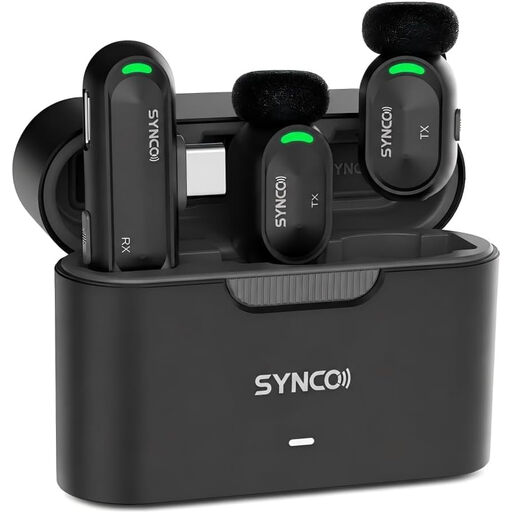
SYNCO P2XT USB-C Wireless Microphone
An option for recording podcast audio and monitoring it while you record with a compatible USB-C device.
The product description lists a transmitter and receiver set, plus real-time audio monitoring via the receiver. Requires a compatible USB-C device.
Joybuy
 No image available
SYNCO SMIC AI Wireless Microphone for Android USB-C Creators
A clip-on lavalier option for recording with a compatible Android device, with the microphone worn close to the speaker.
The product description mentions plug-and-play use with Android USB-C devices that support OTG. Check that your device is compatible.
Joybuy
 No image available
Moman M1CXT Wireless Lavalier Microphone, USB-C, 2TX+1RX
A set for recording a podcast or conversation with two speakers using a compatible USB-C device.
The model name specifies 2TX+1RX. The product description mentions a monitoring port on the receiver; check that your device is compatible.
Joybuy
 No image available
Moman M1CT Wireless Lavalier Microphone, USB-C, 1TX+1RX
An option for recording podcasts with a compatible mobile device and a USB-C receiver.
The model name specifies 1TX+1RX. The product description mentions an omnidirectional microphone and up to six hours of use per charge; the connection is intended for a compatible mobile device with USB-C.
Joybuy
 No image available
USB condenser microphone with cardioid pickup pattern
A desktop option for podcast recording when you want gain control and headphone monitoring.
The product description mentions a cardioid pickup pattern, gain control and a headphone socket for monitoring. The listed accessory pack includes a boom arm, shock mount and pop filter.
Joybuy
Frequently asked questions about podcast microphones
Do I need USB or XLR for a podcast intro?
USB is the straightforward option for recording directly on a compatible device. XLR is useful if you want to use a mixer or audio interface. If a microphone has both connections, check which features only work via USB.
How do I check the sound of my first recording?
Follow the positioning instructions for the specific model, record a short test intro and listen back where you plan to record. Sennheiser says that a yellow gain indicator on the Profile may mean the microphone level is too high.
What if my microphone develops a fault too soon during normal use?
According to ACM ConsuWijzer, the seller must put things right free of charge if a product doesn’t meet what you could reasonably expect. Depending on the circumstances, this could mean a repair, replacement or refund. A manufacturer’s warranty doesn’t replace this legal right.
Can I publish existing music as intro music?
Don’t assume you can freely publish a home-recorded intro that uses someone else’s music. Auteursrechtnl explains that use outside the home may require permission from the rights holders. BumaStemra outlines podcast licences; also check whether there are other rights holders, for example in the recording you use.


