
Readers in a noisy room
You record in a shared or noisy flat and can stay close to a directional microphone while reading. Audio-Technica describes the AT2040USB as a dynamic model with a hypercardioid pickup pattern.


If you can stay close to the microphone while reading aloud, a directional dynamic USB microphone is a sensible starting point if room noise is your main concern. A cardioid USB condenser microphone may suit you if you can make your recording space quieter. Shure points out that a microphone won’t automatically remove reverberation or sounds recorded at the same time as your voice. So make a test recording that includes both quiet passages and exclamations.
You record in a shared or noisy flat and can stay close to a directional microphone while reading. Audio-Technica describes the AT2040USB as a dynamic model with a hypercardioid pickup pattern.
You switch between whispers and powerful passages, and want to check how both sound in test recordings. RØDE lists headphone monitoring for the PodMic USB; Shure describes automatic level control for the MV7+.
You can reduce distracting noise and want to weigh up whether a condenser microphone and desktop setup suit your voice. RØDE describes the NT-USB+ as a cardioid USB condenser microphone with headphone monitoring.
A good fit if: you can usually read close to the microphone and want to take room noise into account. Audio-Technica describes the AT2040USB as hypercardioid.
Trade-off: you need to stay on-axis; sounds picked up at the same time as your voice may still be audible.
A good fit if: you want to monitor your recording as you go, or may consider an XLR setup later. RØDE lists USB-C, XLR and monitoring for the PodMic USB; Shure lists USB-C, XLR and automatic level control for the MV7+.
Trade-off: check how level control and processing sound with both whispers and exclamations; an XLR connection won’t make the room quieter.
A good fit if: you can make your recording space quieter and want to try a condenser microphone in a desktop setup. RØDE lists a cardioid condenser capsule for the NT-USB+.
Trade-off: listen to a recording made in your own room first; a pop filter won’t prevent background noise or reverberation.
| What to consider | What to look for when buying | Who is this most important for? |
|---|---|---|
| Room noise | Check the pickup pattern and positioning; make a test recording with the usual background sounds. | If I’m reading aloud in a noisy flat, I want my voice to remain clear without relying on complete silence. Around 36% of consumers prioritise reducing room and background noise. |
| Quiet and loud reading | Test a whisper and an exclamation with headphones; compare the sound with and without level control, if possible. | I want to be able to assess both quiet lines and powerful passages while recording. Around 29% of consumers prioritise monitoring these vocal changes. |
| Setup and monitoring | Check the USB port and included cable, the mount or stand, and whether the microphone has a headphone socket. | If I want to connect, position and monitor the microphone straight away, the setup needs to suit my computer and reading space. Around 21% of consumers prioritise a practical setup and monitoring. |
| Vocal detail and room acoustics | Compare a spoken passage in your own room, paying attention to breathing, reverberation and clarity. | If I can make the room quieter, I want to see whether a condenser microphone suits my voice without overlooking the acoustics. Around 14% of consumers prioritise vocal detail in these circumstances. |
Reverberation and sounds picked up at the same time as your voice may still be audible. Shure’s explanation of denoising doesn’t guarantee a particular result in your room.
Record a quiet and a loud passage in the space you plan to use, with the usual background sounds present.
Allow extra time to record when it’s quieter, reposition the microphone or edit the audio afterwards.
The PodMic USB is a separate model with USB-C and XLR. Elgato states that the Wave DX needs an XLR interface, cable and mount.
Check the full model name and the connections on the version you’re choosing.
An XLR setup may require an interface, cable and mount.
A standalone microphone and a bundle may differ in the accessories included, such as a stand or pop filter.
Check what’s included in the specific package before putting your setup together.
Worth considering if directional voice recording and direct monitoring matter to you, particularly with the AT2040USB.
Offers two different options here: the dynamic PodMic USB and the cardioid condenser microphone NT-USB+.
The dynamic MV7+ is an option to compare if you want USB/XLR and adjustable processing.
The Wave Neo is a USB condenser microphone for desktop use; the Wave DX is not a direct USB alternative.
This selection from Joybuy includes microphones with a USB connection or USB-C receiver for voice recording. Check that each model’s setup and connection suit your recording space.
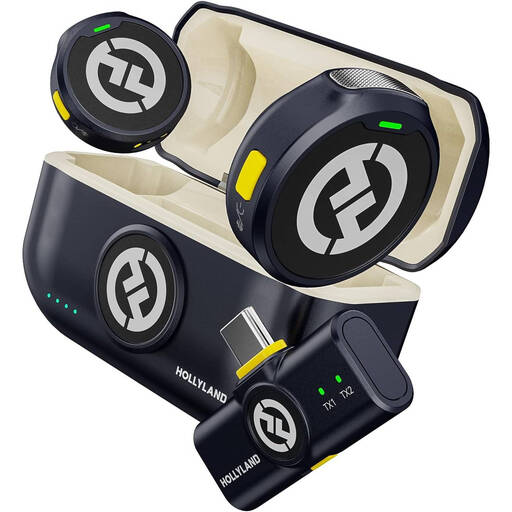 Image unavailable
A wireless option with a USB-C receiver for voice recording; the product description says it works with smartphones, laptops and PCs.
The description mentions a charging case. Check that the wireless setup suits your reading space and listen to how your voice sounds in your room.
 Image unavailable
A cardioid USB condenser microphone to consider if you can create a suitable, quieter recording space.
The product description lists headphone monitoring, a gain control, mute button, boom arm, shock mount and pop filter. Check that the arm and connections suit your workspace.
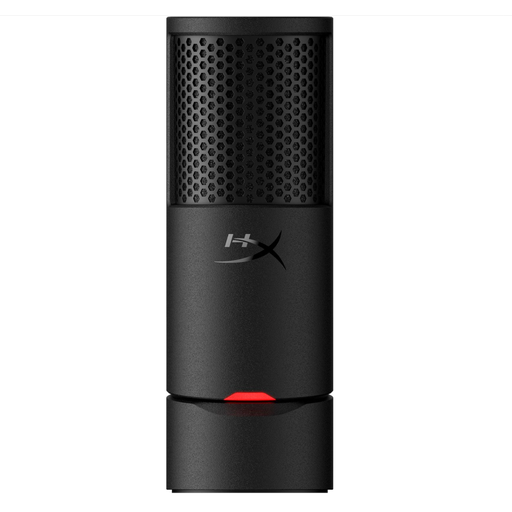 Image unavailable
A cardioid USB microphone to compare if you’re looking for a compact desktop setup for voice recording.
The product description lists a stable stand, integrated shock mounting and a pop filter. Check the microphone’s position in relation to your mouth and the desk.
 Image unavailable
A compact USB microphone for recording voice at a desk; the product description lists a supercardioid pickup pattern.
The title and description mention tap-to-mute controls. Check that you can position the microphone at the distance you want while reading aloud.
Not reliably in every situation. Recording close to the microphone and speaking towards it can improve the balance between your voice and room noise, but a microphone won’t fix the room’s acoustics. Check the result with a test recording in the place where you plan to record.
Check whether the microphone has a headphone socket, which USB cable is included, and whether you have a suitable stand or arm. RØDE lists direct monitoring for the PodMic USB and NT-USB+; Audio-Technica lists it for the AT2040USB. Listen at a comfortable volume.
Not without checking first. The Dutch government distinguishes between a private copy for personal use and distributing or making a work available to the public. Check the rights for the specific text and get permission where necessary before publishing your reading.
According to ACM ConsuWijzer, the seller is responsible for the statutory guarantee if the product doesn’t meet what you could reasonably expect. A manufacturer’s guarantee or separately purchased warranty package doesn’t replace this right; there isn’t automatically one fixed statutory guarantee period for microphones.