
Speaker with a small practice desk
Wants to record a short talk without a complicated setup, and to be able to put the microphone away easily.


For a small, quiet practice space, a compact USB microphone with a desk stand can be a practical choice. If you want to monitor your voice as you speak, check whether the model also has a headphone output. A directional dynamic microphone is worth considering if you can speak close to it, while a condenser microphone is another option for a quiet room. Neither type guarantees that room noise will disappear. Check the connection and included accessories, then make a test recording at your usual speaking volume.
Wants to record a short talk without a complicated setup, and to be able to put the microphone away easily.
Wants to assess their voice on playback and can position the microphone deliberately, close to them and facing the right direction.
Wants to hear through headphones what the microphone is picking up during rehearsal, and adjust the controls if needed.
| What to consider | What to look for when buying | Who is this important for? |
|---|---|---|
| Limited space and quick setup | Check what stand is included, whether it is adjustable and how much desk space you’ll need. | If I have limited desk space, I want to be able to set up and put away the microphone quickly; around 36% of consumers say a compact setup is their main priority. |
| Assessing your voice clearly | Check the recording pattern and test the positioning with a short recording at your normal speaking volume. | If the room is noisy, I want to be able to judge whether my words come through clearly; around 29% of consumers say the clarity of their own recording is their main priority. |
| Monitoring your voice as you speak | Check whether the model has a headphone output and how you can listen to the microphone signal and audio from your device. | If I want to hear what the microphone is picking up during rehearsal, I’m looking for direct headphone monitoring; around 21% of consumers prioritise live monitoring. |
| Connection and complete set | Check that your device’s port matches the included cable, and find out whether a stand is included. | I want to get started without finding that connection or setup parts are missing; for around 14% of consumers, connection and having a complete set are the main considerations. |
A directional pattern won’t automatically make a recording noise-free. The result also depends on the microphone’s position and the room you’re practising in.
Make a short test recording in your practice space at your normal and louder speaking volumes.
The RØDE NT-USB Mini comes with a USB-C-to-USB-A cable, while the Sennheiser Profile includes a USB-C cable. Check which connection your device has.
Compare your device’s port with the cable in the box for the exact version you want to buy.
If the connections don’t match, you may need a suitable cable or adapter.
The Sennheiser Profile comes with a desk stand. For a model such as the Audio-Technica AT2040USB, check separately which mounting accessories are included.
Check the box contents and whether the microphone can be positioned at your preferred speaking height.
You may need a separate stand or boom arm.
RØDE describes the NT-USB Mini as a compact cardioid USB condenser microphone for desk use, with headphone monitoring.
Razer describes the Seiren V3 Mini as a compact USB desk microphone with a supercardioid recording pattern and tap-to-mute controls.
Audio-Technica describes the AT2040USB as a dynamic hypercardioid USB microphone with headphone monitoring.
Sennheiser says the Profile USB combines a cardioid condenser capsule with controls for gain, mix and headphone volume.
Shure says the MV7+ has both USB-C and XLR outputs for different audio setups.
This selection focuses on USB microphones for practising at a desk. For each model, check the recording pattern, direct headphone monitoring, included stand and connection.
 No image available
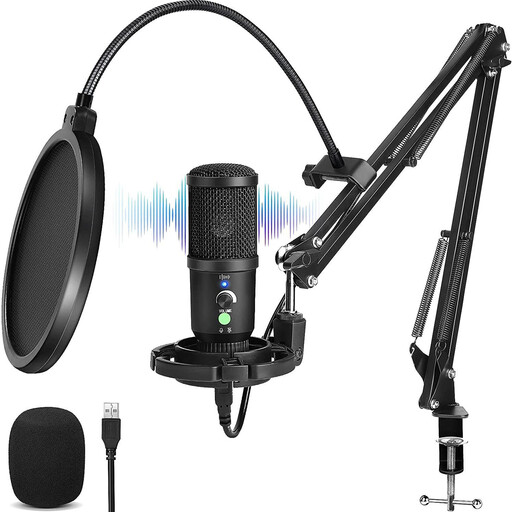
Could suit you if you’re looking for a cardioid USB microphone with headphone monitoring for your practice setup.
The product description lists a 3.5 mm headphone jack and an included boom arm stand, shock mount, pop filter, windscreen and USB cable.
 No image available
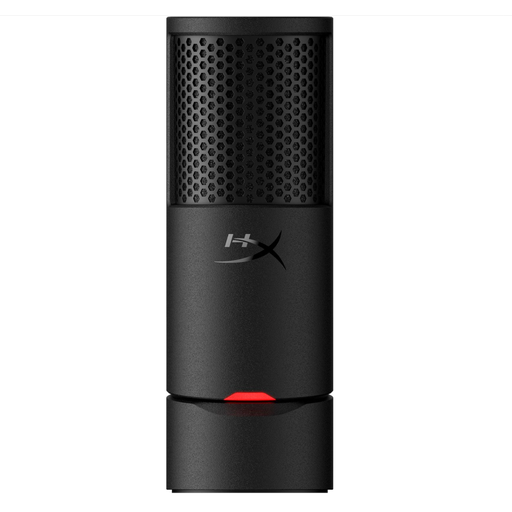
Could suit you if you’re looking for a cardioid USB microphone with a compact, adjustable desk stand.
The product description lists an adjustable stand, shock mount, pop filter and mute button.
 No image available
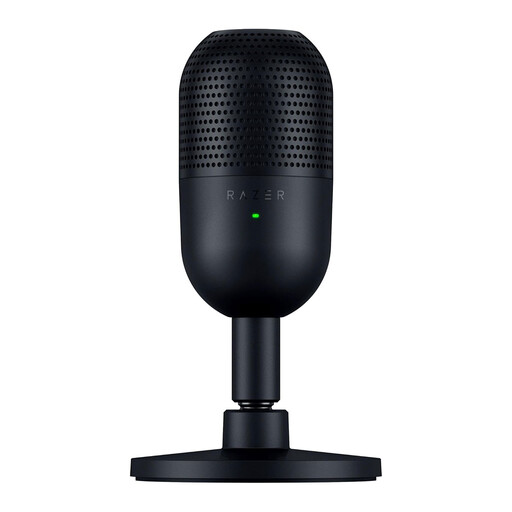
Could suit you if you have limited desk space and want a compact USB microphone with tap-to-mute controls.
The product information lists a supercardioid recording pattern and tap-to-mute. Check whether the model offers headphone monitoring if you want to hear yourself as you speak.
No, you’ll also need a compatible device and recording software. Select the correct microphone input on the device, then check the result with a short test recording.
Point the recording side towards your mouth and keep the distance consistent during your test recording. For the NT-USB Mini, RØDE recommends around 10–15 cm for voice-overs; this isn’t a set distance for all microphones or uses.
No. According to the ACM, if a product doesn’t meet the expectations you’re entitled to have, the seller is responsible for the statutory guarantee in the Netherlands. Online consumer purchases generally also come with a statutory cooling-off period of up to 14 days after delivery; check the applicable exceptions and returns policy.
That depends on the circumstances and how the recording will be used. The Dutch Data Protection Authority considers identifiable audio recordings to be personal data; an organisation needs a lawful basis under the GDPR to process them. The exception for strictly personal use isn’t blanket permission to make recordings on behalf of a museum or share them more widely. If others could be identified, agree the recording and its use with the museum.
No. According to the European Commission, a CE marking is the manufacturer’s declaration that the product complies with the relevant EU requirements; it isn’t an independent assessment of recording quality. Which requirements apply depends on the product and the relevant rules.