
Performer who moves around a lot
You use the space during your monologue. So first decide whether your performance suits a single fixed microphone position; Shure discusses microphone placement and wireless systems for theatre.


If you can stay in one place during your monologue, start with a stable microphone setup and make a test recording in the rehearsal space. A dynamic USB microphone used close up may suit you if you can hear room ambience; a USB condenser microphone is an option if your fixed recording position sounds quiet and you want to listen back to subtle vocal nuances. If you move around a lot, a fixed USB microphone won’t automatically solve changes in distance.
You use the space during your monologue. So first decide whether your performance suits a single fixed microphone position; Shure discusses microphone placement and wireless systems for theatre.
You can perform from a fixed position, but intelligibility and audible room ambience will affect your choice and microphone placement. Shure points out that a microphone cannot completely separate direct speech from reflected sound.
You perform mainly from a fixed position and want to check both quiet and loud passages during rehearsal. According to their manufacturers, models from RØDE, Audio-Technica and Sennheiser offer headphone monitoring.
A good fit if: you can stay close to the microphone and hear echo or background noise at your recording position.
Bear in mind: a short or changing speaking distance may not suit movement during your performance; directional sensitivity won’t eliminate room echo.
A good fit if: a test recording from your position sounds quiet and you want to listen back to both quiet and loud passages.
Bear in mind: even a directional model won’t eliminate audible reflections; check its placement and levels with different passages.
A good fit if: you perform beyond the range of a fixed speaking position and the microphone needs to follow your movement.
Bear in mind: first consider a different recording technique; it may require different equipment or connections from a fixed USB setup.
| Consideration | What to look for | Who is this most relevant to? |
|---|---|---|
| Movement and speaking distance | Rehearse the full route and listen back to a recording from the furthest point on stage. | If you move around the space, you’ll want to know whether you can stay near a single microphone position. Around 36% of consumers cite freedom of movement as their main buying concern. |
| Echo and background noise | Record a spoken passage and some silence from your intended position, then listen for echo and background noise. | If you can perform from a fixed position but want to assess the room acoustics first, a test recording is important. Around 29% of consumers prioritise room acoustics. |
| Quiet and loud passages | Test both with the same setup and use headphones to check intelligibility and distortion. | If you want to listen back to vocal nuances and changes in volume, check the recording at both extremes. Around 21% of consumers give vocal nuance the highest priority. |
| Setup and accessories | Check what’s included with the exact version, how it connects to your recording device and whether there’s room for the stand. | If you want a repeatable setup with few loose parts, check what’s in the box. Around 14% of consumers focus mainly on having a simple setup. |
A microphone can’t completely separate direct speech from reflections in the room. Claims about digital voice isolation are manufacturer statements specific to each model.
Make a test recording in the rehearsal space and first assess the microphone placement and room acoustics.
Bear in mind that you may need to spend time repositioning the microphone or adjusting your recording space.
As you move further away from the microphone, the voice level and the amount of audible room ambience will change.
Test the furthest performance position before choosing a fixed USB setup.
A different recording technique may require additional equipment.
Models and versions can differ in their connections and included accessories. RØDE says the original RØDE NT-USB has been discontinued and is not the same model as the NT-USB+.
Check the full model name, what’s in the box and the connections on the version you want to buy.
Depending on the version and setup, you may need a suitable stand, cable or audio interface.
The PodMic USB is a dynamic option for a fixed position close to the speaker; the NT-USB+ is a cardioid condenser model.
The dynamic MV7+ combines USB-C and XLR for a fixed microphone setup.
The AT2020USB-X is a cardioid USB condenser microphone for a fixed recording position that you’ve tested first.
The Profile USB Microphone is a cardioid condenser microphone with on-device controls for a fixed desk setup.
The dynamic Q2U offers USB and XLR and, according to Samson, is available as a bundle with basic accessories.
This selection includes wireless microphones for monologues involving movement and USB microphones for a fixed recording position. Check in advance that the connection and setup suit your recording device and performance route.
 No image available
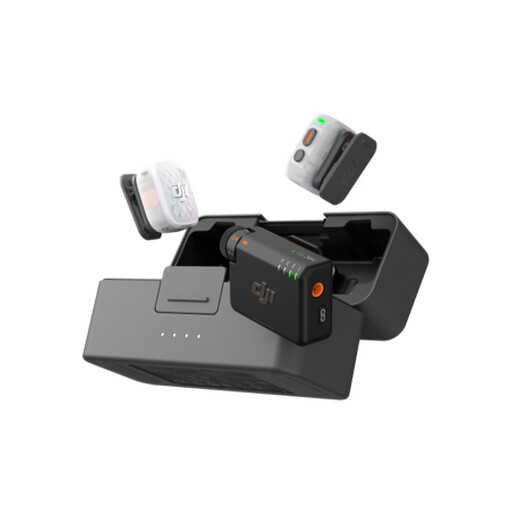
A wireless set to consider if you move during your monologue; the clip or magnetic attachment mentioned is suited to a wearable setup.
The product name lists 2 TX, 1 RX and a charging case.
 No image available
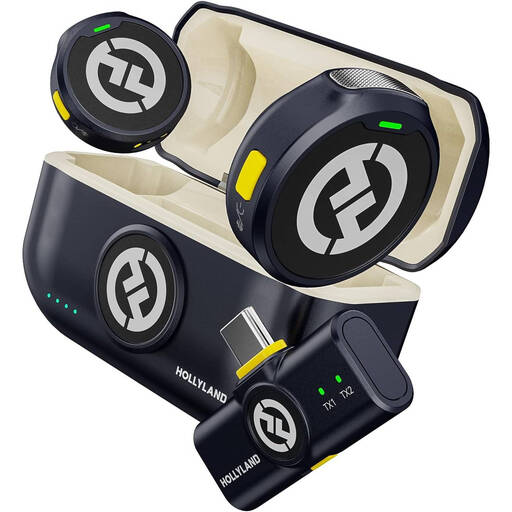
A portable option to consider if you move away from your fixed position while recording; the product information describes a lavalier setup with a clip or magnetic attachment.
The title describes a wireless microphone with USB-C; the description lists a USB-C receiver and two transmitters.
 No image available
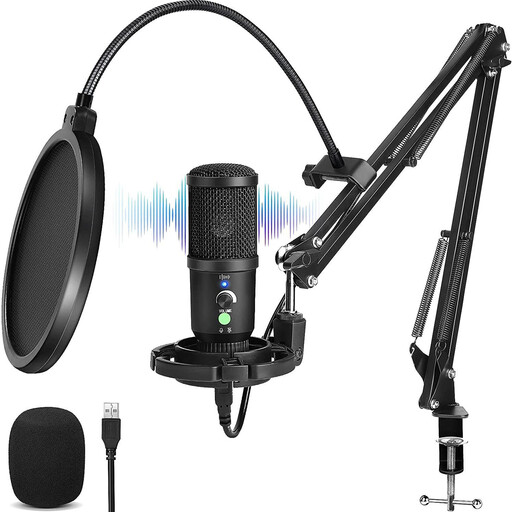
An option for a fixed recording position if a test recording shows that the room acoustics are acceptable.
The product name mentions a cardioid pattern and monitoring.
 No image available
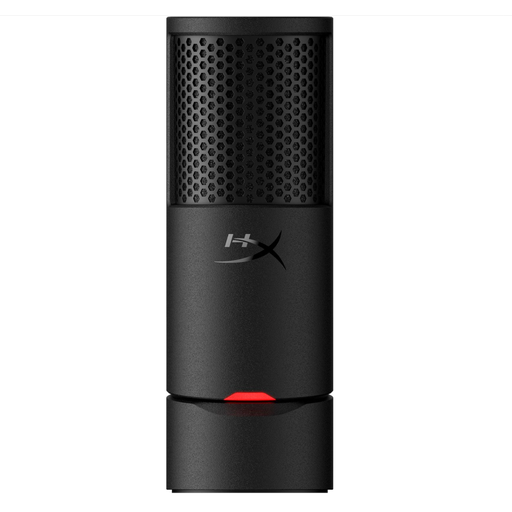
A USB microphone for a fixed desk setup; check with a test recording whether its position suits your monologue.
The product name mentions a cardioid pickup pattern and the colour black.
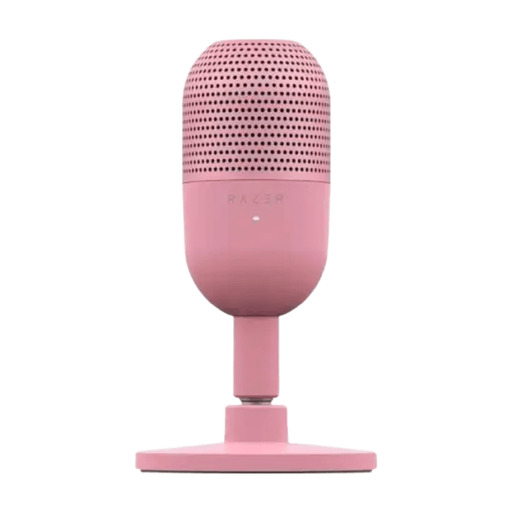 No image available
A compact USB microphone to consider for a fixed position; use a test recording to check the desk position and sound in the rehearsal space.
The product name mentions USB and tap-to-mute controls.
Don’t assume you can without testing it. The balance between direct voice and reflections changes with your distance from the microphone. If you perform beyond a fixed speaking position, first consider a recording technique that can follow your movement and test the full performance route.
For the PodMic USB, RØDE recommends a distance of around 5–10 cm between your mouth and the microphone, with the top facing your mouth. Then check the input level and listen back to a quiet and a loud passage; don’t automatically use this distance with other models.
That depends on the exact version and your performance position. RØDE lists a desk stand and pop filter for the NT-USB+, while Samson lists a tripod and cables for the Q2U bundle. Shure lists different stand options for the MV7+, so check what’s included and which connections are available with the version you’re buying.
For a consumer purchase, the Dutch government says you’re entitled to a product that works properly. Report a fault to the seller; the manufacturer’s warranty isn’t the only way to seek a solution.
A recording in which someone is identifiable may contain personal data. If the GDPR applies to the intended use, you need an appropriate legal basis for processing; consent is one possible basis. You will generally need permission from the rights holder to make a copyright-protected text public. A private copy for your own use cannot simply be shared.