Who is this advice for?

Recording in a reverberant room

You speak alone in an ordinary room and want clear instructions without the room’s sound dominating. It’s worth using a directional microphone close to you and choosing a consistent recording spot; Shure recommends recording in a quiet, softly furnished space.

Creator with a soft meditation voice

You use calm phrases, breathing and long pauses. You want to listen back and check whether level control, plosive reduction and any noise processing keep the quieter passages sounding natural.

Beginner with a simple setup

You want to get started without a separate audio interface and are looking at USB, headphone monitoring and what’s actually included in the box. Samson, RØDE and Sennheiser describe different supplied connections or accessories for the models mentioned here.

What should you look for when buying?

Dynamic USB microphone

A good fit if: room reverberation and background noise are your main concerns, and you can speak close to the microphone.

Trade-off: you’ll need a suitable stand or arm to keep the distance consistent; the microphone won’t remove existing reverberation.

Dynamic USB/XLR microphone

A good fit if: you want to record via USB now and may want to use an audio interface via XLR later.

Trade-off: check the exact version and listen to quiet phrases before using automatic level control or noise processing for a whole session.

USB condenser microphone

A good fit if: you’re recording in a quiet, softly furnished room and want controls for gain, headphone volume and mix.

Trade-off: make a recording in your intended spot to check how much room sound and background noise you can hear.

What to consider What should you look for? Who should pay particular attention?
Clear speech and room reverberation Check the pickup pattern and look for a stable stand or arm; test the microphone where you plan to record. If I’m recording in a reverberant room, I want clear words without the room overpowering them. Around 36% of consumers give room sound their highest priority.
Quiet speech and pauses Check which pop filter or windscreen is included, and listen to quiet and regular passages with any processing both on and off. When I use calm phrases and long silences, I want breathing and quiet words to sound natural on playback. Around 29% of consumers prioritise natural-sounding quiet speech.
Recording and monitoring Check that USB is compatible with your recording device and whether the microphone has a headphone output for monitoring. When I record long sessions, I want to check the audio without having to finish the whole recording first. Around 21% of consumers say ease of recording is their top priority.
Equipment required Check which stand, cables and mounts come with the exact version, and whether you want to use USB only or XLR too. If I don’t have a recording setup yet, I want to know which parts I can use straight away and what extra equipment I might need later. Around 14% of consumers focus mainly on the size of the setup required.

Common buying mistakes

  • Confusing noise reduction with acoustic treatment

    A microphone won’t change the sound reflections in your room. Processing also doesn’t guarantee that quiet words and silences will continue to sound natural.

    Make a short recording in your intended spot with the available processing on and off, and listen to the pauses too.

    Finding or adapting a suitable recording spot may take extra preparation.

  • Comparing microphones without checking the exact version

    The included stand, cables and other accessories can vary between versions. If a part is missing, your setup may not be ready to use straight away.

    For the version you’ve chosen, check the mount, cable and other items included in the box.

    If a stand, arm or suitable cable is missing, you may need to source these separately.

  • Assuming USB and XLR connect in the same way

    USB can connect directly to a compatible recording device; the XLR setup described requires additional equipment.

    Choose USB for your current setup, and only factor in XLR if you expect to use that connection later.

    Using XLR later may require a suitable audio interface or mixer.

Brands to compare

Samson

The Q2U is a dynamic cardioid USB/XLR option for anyone looking to get started with desktop accessories.

  • Samson says the Q2U kit includes, among other things, a tripod stand, windscreen, cables and a headphone output.
  • Check which parts are included with the version on offer; details for the Q2U don’t automatically apply to other Samson models.

Audio-Technica

The AT2040USB is a dynamic USB microphone with a hypercardioid pickup pattern, designed for a single speaker who can position it carefully.

  • Audio-Technica lists an internal pop filter, integrated shock isolation and headphone monitoring.
  • Its narrower pickup area calls for careful positioning and a test recording in your intended spot.

RØDE

The PodMic USB combines dynamic voice recording with USB-C, XLR and headphone monitoring.

  • According to RØDE, the model has internal plosive and handling noise control, and an external pop filter is included.
  • Check which stand is included with the version on offer. Manufacturer claims about sound quality aren’t an independent test in your room.

Shure

The MV7+ is a dynamic USB-C/XLR option with adjustable recording features.

  • Shure lists Auto Level, noise processing and a 3.5mm monitoring output.
  • SoundGuys reported a loose-fitting windscreen in a review. Also check whether the version you’ve chosen includes a stand or bundle.

Sennheiser

The Profile USB is a cardioid USB condenser microphone with on-mic controls.

  • According to Sennheiser, the model has gain, mix and headphone volume controls; the standard Profile version includes a desktop stand and USB-C cable.
  • Your recording spot will still determine how much room sound you pick up; assess the result with a test recording.

USB microphones on Joybuy

These product picks are USB microphones for direct, focused voice recording. Test how the room sound and quiet passages come across in your own recording spot.
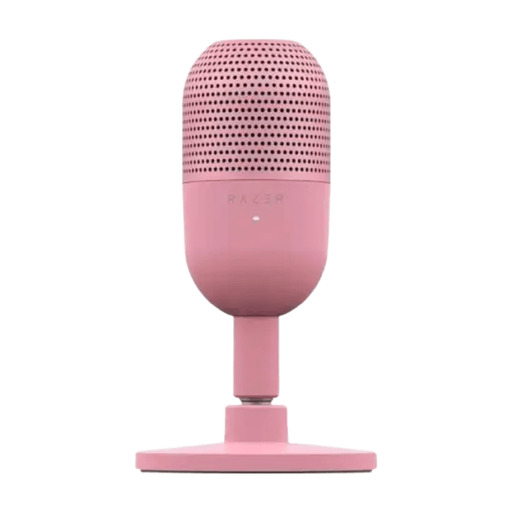
Razer SEIRÉN V3 MINI Quartz USB microphone

Razer SEIRÉN V3 MINI Quartz USB microphone

This could suit you if you want to record directly via USB and can position the microphone towards your voice; use a test recording to check how room reverberation and quiet passages sound.

The product description lists a supercardioid pickup pattern, a compact design and tap-to-mute.

View on Joybuy
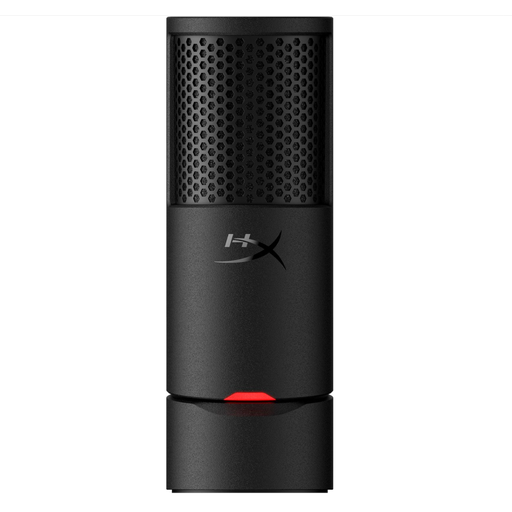
HyperX SoloCast 2 USB Gaming Microphone, Black

HyperX SoloCast 2 USB Gaming Microphone, Black

This condenser microphone is a USB option if your room is quiet and sufficiently dampened while you record; make a test recording before choosing it for quiet meditation passages.

The product information lists a cardioid pickup pattern, plug-and-play USB, a built-in pop filter and shock absorption.

View on Joybuy

Frequently asked questions

Can a microphone remove the reverberation in my room?

No, a microphone won’t improve your room’s acoustics. Shure recommends recording in a quiet spot, positioning the microphone carefully and making a test recording first.

How should I start with microphone placement and setting the level?

As a practical starting point, Shure’s podcasting guide suggests placing a dynamic microphone about 3–6 inch (approximately 8–15 cm) away in a quiet, softly furnished room. Keep the distance consistent, listen through headphones and make a short test recording without clipping; adjust the setup to suit your voice and microphone. This is the manufacturer’s advice, not a universal distance requirement.

Do I need an audio interface straight away to record via USB?

Not if you’re recording directly via USB on a compatible device. A USB/XLR model such as the RØDE PodMic USB can also connect via XLR to a suitable interface or mixer; that equipment is a separate choice.

What are my rights if a microphone I bought online disappoints or is faulty?

For a standard online consumer purchase, ACM ConsuWijzer says you generally have a statutory cooling-off period of up to 14 days after delivery, subject to legal exceptions. If a product is faulty, the seller is responsible for the statutory guarantee; any extra guarantee offered doesn’t replace those rights.
