What should you look for when choosing?
Directional dynamic USB microphone
A good fit if: you can speak close to the microphone and there’s noticeable background noise in your shared workspace.
Keep in mind: positioning and distance still matter. RØDE recommends a distance of around 5–10 cm for the PodMic USB; this isn’t a general guideline for every model.
Cardioid USB condenser microphone
A good fit if: you can record at a quieter time and want to compare a desktop stand with a boom arm setup.
Keep in mind: a condenser microphone may also pick up sounds from the room; a cardioid pattern doesn’t soundproof your workspace.
First, work out how you can position the microphone on your shared desk. Then test both quiet and normal speech with the usual background noise.
| What to consider |
What to look for when buying |
Who is this important for? |
| Reducing background voices |
Compare the pickup pattern and options for positioning the microphone directionally; make a test recording in your usual workspace. |
If other people are talking nearby, you’ll want to capture your own voice without relying on their voices disappearing. Around 36% of consumers prioritise reducing background voices. |
| Keeping soft speech clear |
Check whether the model has a headphone output and level or gain control; test a softly spoken passage. |
When recording quiet passages, you’ll want to listen back and check the level before carrying on. Around 29% of consumers prioritise picking up soft speech. |
| Positioning on a shared desk |
Check whether the set includes a desktop stand or boom arm, and whether any clamp will fit your desk. |
If desk space is limited, you’ll want to position the microphone without having to claim a permanent spot. Around 21% of consumers prioritise saving desk space. |
| Connecting and checking your setup |
Check compatibility with your recording device and see whether the version has a mute button and headphone output. |
For a longer recording session, you’ll want to test the connection and controls beforehand. Around 14% of consumers prioritise straightforward recording checks. |
USB microphones at Joybuy
These USB microphones are designed for recording speech at a desk. For each model, consider the pickup pattern, available controls and how much space the setup takes up.
 No image available
USB condenser microphone with cardioid pickup pattern
An option to compare if you’re looking for a USB microphone for voice recordings and want to monitor your audio as you record.
The product information lists a cardioid pickup pattern, a gain control and a headphone socket for monitoring.
Joybuy
 No image available
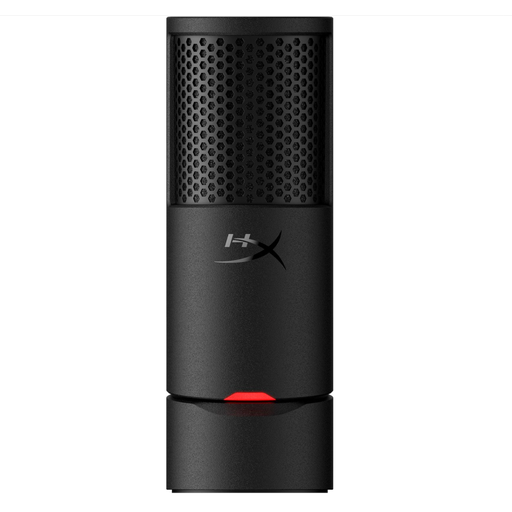
HyperX SoloCast 2 USB Gaming Microphone
An option to compare if you’re looking for a USB microphone with a mute control for recording.
The product information lists a cardioid pickup pattern, a mute button with indicator, a shock mount and a pop filter.
Joybuy
 No image available
Razer Seiren V3 Mini Quartz
A compact USB option to compare if you have limited desk space.
The product information lists a supercardioid pickup pattern and tap-to-mute control.
Joybuy
Frequently asked questions
How do you start with a test recording at a shared desk?
Point the microphone towards your mouth, record a quiet and a normal passage while the usual desk sounds are present, then listen back. RØDE recommends a distance of around 5–10 cm for the PodMic USB; don’t use this as a fixed guideline for other models.
What should you check during setup and longer recordings?
Check that your computer or tablet works with the model you’ve chosen, then test the connection, level and any mute controls before your full recording session. Use wired headphones if the model has a headphone output; a model’s system requirements and included accessories don’t automatically apply to other models.
In the Netherlands, are you always entitled to just a two-year warranty after buying?
No. According to the Government of the Netherlands, there’s no fixed statutory warranty period in the Netherlands: a product must meet what you could reasonably expect from it. If a product is faulty, contact the seller; any manufacturer’s or extended warranty is in addition to this.
Do you have a cooling-off period for an online purchase?
For many online purchases from a business, you have a 14-day cooling-off period, according to the Government of the Netherlands. Check the seller’s information and any applicable exceptions; buying from a private individual is not the same as buying from a business.
Can you publish recordings of other people’s voices?
It depends on what you’ve recorded and how you use it. If identifiable voices contain personal data that you collect or use, the GDPR requires a valid legal basis; the Dutch Data Protection Authority lists consent as one possible basis. Assess the recording and circumstances before publishing, and make sure other people can’t be heard if necessary.


