What should you look for when choosing?
The main decision is whether to prioritise intelligibility, monitoring while recording, a suitable USB setup or the option of adding an XLR connection later.
| What to consider |
What to look for |
Who is this important for? |
| Intelligibility in a reverberant room |
Check the microphone’s polar pattern and speaking side, and make a test recording from the intended distance. |
If I’m recording just the facilitator, I want to be able to follow the spoken instructions clearly. Around 36% of consumers prioritise intelligibility. |
| Monitoring the recording |
Check whether the model has a headphone output and whether you can listen to the recording signal during the session. |
During a long meditation or one spoken quietly, I want to hear any issues in good time. Around 29% of consumers prioritise monitoring while recording. |
| USB and positioning |
Check the recording device’s connection and whether the cable and stand allow you to position the microphone where you want it. |
If I want to use the computer I have and set things up practically, both the connection and positioning need to work. Around 21% of consumers say setup is their main concern. |
| Using XLR later |
Check whether the exact model has both USB and XLR, and whether your future equipment has a suitable microphone input. |
If I want to connect the microphone to suitable XLR equipment later, that extra option will influence my choice. Around 14% of consumers prioritise connection flexibility. |
USB microphones on Joybuy
This selection includes USB microphones with a directional polar pattern or controls that you can consider for a fixed or close-miked voice recording setup.
 Image unavailable
USB condenser microphone with cardioid polar pattern
The cardioid description suits a setup where the facilitator speaks into the front of the microphone; test intelligibility from the actual distance you’ll be using.
The product description lists headphone monitoring, gain and mute controls, and a supplied scissor arm. Check whether the arm positions the microphone correctly for your speaking position.
Joybuy
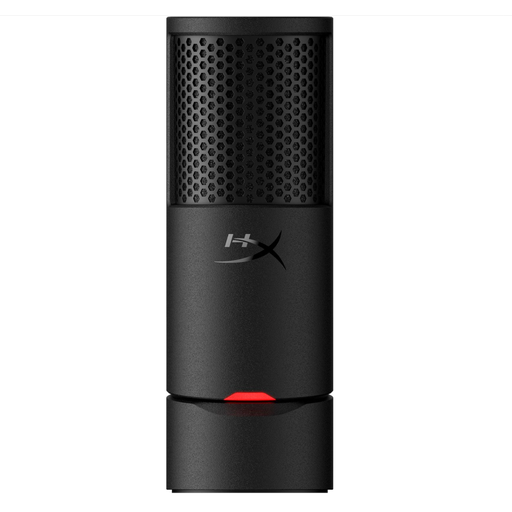 Image unavailable
HyperX SoloCast 2 USB microphone, black
The cardioid description may suit a setup for one facilitator; make a test recording to check how the hall sounds in the recording.
The product description lists a mute button, integrated shock mount and pop filter. Check whether the supplied base or screw mount suits the microphone position you want.
Joybuy
 Image unavailable
Razer Seiren V3 Mini Quartz USB microphone
The product description lists a supercardioid polar pattern and USB connection; test the voice with a recording in the hall.
According to the product information, the microphone has tap-to-mute controls. Check in advance whether you can reach them during the session.
Joybuy
Frequently asked questions
Can a directional USB microphone remove the reverberation in a community hall?
No. Positioning the microphone close to the speaker can help bring their voice to the fore in the recording, but Shure explains that a microphone cannot effectively separate direct speech from reflected sound. Test the recording from the intended speaking position.
What should I connect and check before the session?
Check that your recording device supports the microphone, select the correct recording source and listen to a test recording made in the hall. If you want to monitor the sound during the session, check whether the exact model has a headphone output and whether the software records the signal you need.
When buying online in the Netherlands, do I have a cooling-off period, and what if the microphone is faulty?
For an online purchase, you generally have a 14-day cooling-off period from the date you receive the goods, subject to statutory exceptions. ACM ConsuWijzer also explains that your statutory guarantee applies if, under normal use, a product fails to meet what you could reasonably expect; a manufacturer’s guarantee does not replace this right.
May I make an identifiable recording of participants or publish the recording?
An audio recording in which someone can be identified may be personal data. The Dutch Data Protection Authority says that an organisation must tell people the purpose and legal basis for processing their data. Consent is one possible legal basis, but it isn’t automatically the only one. In most cases, you need consent to publish other people’s personal data online. What applies to a particular recording depends, among other things, on whether people can be identified, who is making the recording and how it will be used.


