
Voice artist dealing with audible booth reverberation
Wants to record a clear voice while reflections or ventilation are audible. The microphone can be positioned close; if needed, the booth can also be treated to reduce reverberation.


If you can hear ventilation or reverberation in the booth, start with a cardioid dynamic USB microphone that you can position close to your mouth. In a quiet, treated booth, a cardioid condenser microphone is also worth comparing for softer passages. Check the connection, headphone monitoring and included accessories, then make a test recording at your usual speaking volume.
Wants to record a clear voice while reflections or ventilation are audible. The microphone can be positioned close; if needed, the booth can also be treated to reduce reverberation.
Wants to assess subtle vocal details without mistaking room noise for microphone detail.
Wants to hear what is being recorded through headphones during long voice-recording sessions, and check in advance that the USB connection is compatible.
When to choose it: if ventilation or reflections remain audible and you can speak close to the microphone.
The trade-off: positioning it close can make your voice stand out against background noise, but it won't remove reverberation or sudden sounds.
When to choose it: if the booth is quiet and treated, and you want to assess softer passages.
The trade-off: reflections may also be picked up in the recording, so test it in the intended position first.
| What to consider | What to look for | Who is this important for? |
|---|---|---|
| Booth noise | Compare a cardioid dynamic microphone used at close range with a condenser model, and listen to a test recording made in the intended position. | If I can hear ventilation or reflections, I want to know whether my voice will remain clear without expecting the microphone to silence the booth. Around 36% of consumers prioritise reducing audible booth noise. |
| Subtle vocal details | Test softer passages in a quiet booth and listen to check that the words remain clear. | In a quiet, treated booth, I want to assess whether softer words come across clearly. Around 29% of consumers prioritise capturing subtle vocal details. |
| Monitoring recordings | Check for a headphone output and make sure your recording device recognises the microphone as an audio input. | During a long voice-recording session, I want to hear through headphones what is actually being recorded. Around 21% of consumers prioritise monitoring their recording as they speak. |
| Compact set-up | Measure the space available and check which stand, cable and any adapter are included with the model. | With limited space, I want to position the microphone without taking up more desk space than necessary. Around 14% of consumers particularly value a compact, simple set-up. |
Shure explains that Voice Isolation refers to the microphone's directional characteristics, not the complete digital removal of background noise. Even a directional microphone won't automatically eliminate all reverberation or sudden sounds.
Test with the ventilation on, and keep the same speaking distance throughout a full passage.
A condenser microphone may pick up reflections from the room as well as your voice, meaning the booth can still be heard in the recording.
Make a test recording in the intended position and compare it with one made using a dynamic microphone positioned close to you.
You may need to spend extra time positioning the microphone, treating the room or re-recording passages.
Connection requirements can vary between microphones and recording devices. For example, RØDE lists a USB-C-to-USB-A cable included with the NT-USB Mini, as well as additional connection requirements for certain mobile devices.
Before buying, compare the connections on your recording device with the cables and any adapters required for the exact model.
The Q2U is a cardioid dynamic USB/XLR microphone designed for close-mic speech.
The MV7+ is a dynamic USB microphone for close-mic speech, with additional digital features.
The NT-USB Mini is a compact cardioid condenser USB microphone with a detachable desktop stand and headphone output.
The AT2020USB-X is a cardioid condenser USB microphone supplied with a desktop stand.
The Yeti is a USB microphone with several recording patterns; the pattern you choose matters when recording a single speaker in a small booth.
These product picks focus on cardioid condenser USB microphones for a small recording space. Assess a test recording in your own booth, especially if reflections are audible there.
 No image available
An option to consider in a quiet booth if you want a headphone output for monitoring.
The product name specifies a cardioid pattern and monitoring with no noticeable delay.
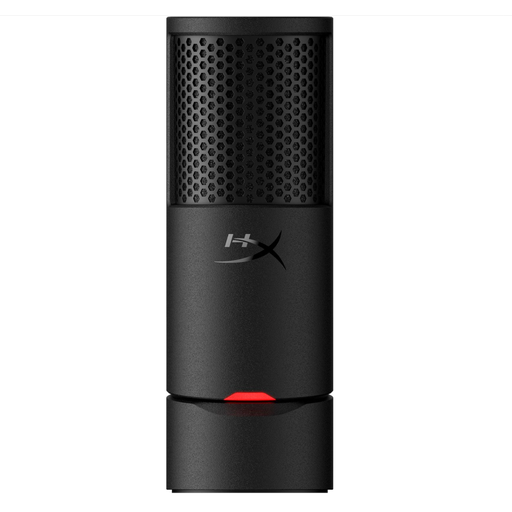 No image available
A cardioid USB microphone to consider for a compact voice-recording set-up.
The product name specifies a cardioid pattern; the product information also mentions a compact, adjustable stand and built-in pop filter.
 No image available
A compact USB microphone to consider when desk space is limited.
The product name mentions a tap-to-mute function.
A USB microphone such as the NT-USB Mini connects to a compatible device and is used as an audio input with recording software. Check the connection on your computer or tablet; for this model, RØDE lists a USB-C-to-USB-A cable in the box, as well as additional connection requirements for certain mobile devices.
Make a short test recording at your usual, comfortable speaking volume, then listen through headphones for reverberation and background noise. For the NT-USB Mini only, RØDE recommends a starting distance of around 10–15 cm for voice-over work; adjust the position based on your recording.
When you buy as a consumer in the Netherlands, you are entitled to a product that works as it should, but there is no fixed statutory warranty period for all products. The Dutch government advises reporting a fault to the retailer; a manufacturer's warranty does not replace your statutory rights.
For many online purchases from a business, you have a 14-day cooling-off period, according to the Dutch government. Check the terms for the specific purchase: there are exceptions, and the rules for buying from a business differ from those for buying from a private individual.