What should you look for when buying?
Start with your room and how you want to monitor your voice. Then check the connections and what you’ll need to position the microphone on your desk.
| What to consider |
What should you check? |
Who is this important for? |
| Clarity with room noise |
Check the polar pattern, whether you can speak close to the microphone, and whether the version includes a windscreen or pop filter. Make a test recording in your usual practice spot. |
If I practise in the evening with background noise or echo, I want to be able to assess my voice clearly. Around 36% of consumers say clear speech despite room noise is their top priority. |
| Listening back |
Check whether the microphone has a headphone output with level control, and whether your recording software is using the right microphone. |
If I want to check my pronunciation, pace and volume as I practise, immediate feedback matters. Around 29% of consumers prioritise listening back. |
| Easy connection |
Compare your computer port with the supplied USB cables, stand and any software requirements for the version you’ve chosen. |
If I want to get started on my book review without extra set-up, I focus on the connection and desk arrangement. Around 21% of consumers say getting started easily is their main buying concern. |
| Room to expand later |
Check whether your chosen model has both USB and XLR connections, and which cables are actually included. |
If I’m practising over USB for now but might want to use an audio interface or mixer later, having an extra connection is useful. Around 14% of consumers make future expansion their top priority. |
USB microphones at Joybuy
These Joybuy products are USB microphones for use with a computer. Their listed features can help you focus on directional patterns, controls and connections while you practise.
 No image available
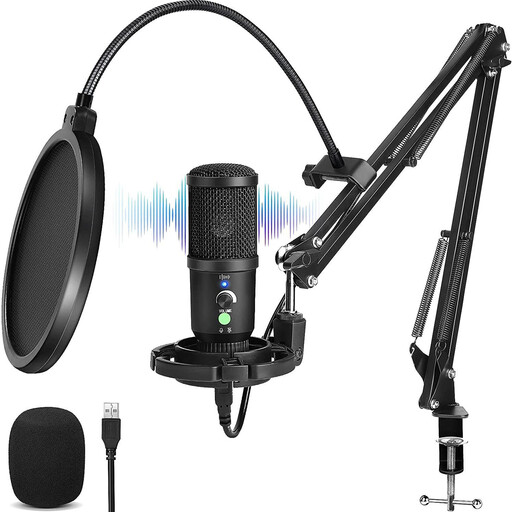
USB condenser microphone with cardioid pattern
The USB connection and cardioid pattern are suited to solo practice, speaking in front of the microphone.
USB condenser microphone; cardioid pattern.
View at Joybuy
 No image available
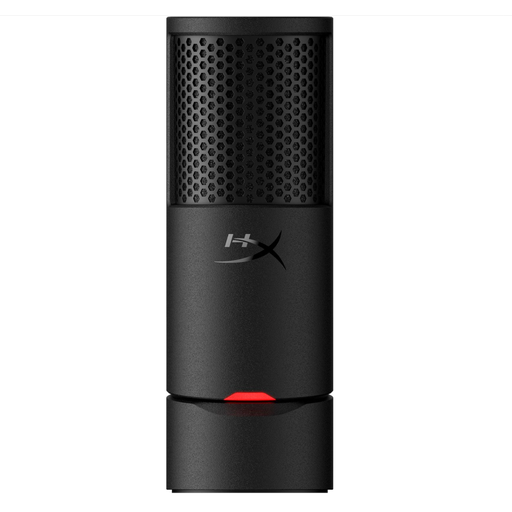
HyperX SoloCast 2, black
The cardioid pattern is suited to a practice set-up with one person speaking in front of the microphone.
USB connection; cardioid pattern; plug and play, according to the product name.
View at Joybuy
 No image available
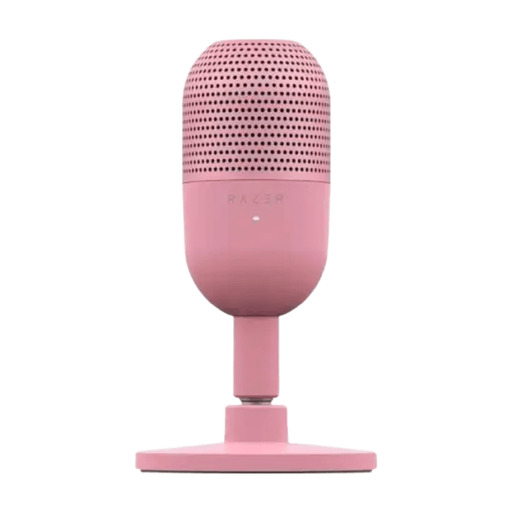
Razer Seirēn V3 Mini, Quartz
The tap-to-mute control can be handy if you need to pause quickly while practising.
USB microphone; Quartz version; tap-to-mute control.
View at Joybuy
Frequently asked questions
How should you position the microphone before practising your book review?
Start by speaking close to the intended front of the microphone and make a short test recording. A microphone won’t remove echo from the room; adjust the distance if needed, then listen back to check for plosive sounds.
Can you listen back to your pronunciation as you practise?
You can with a model that offers direct headphone monitoring and a suitable pair of connected headphones. Manufacturers list this feature on models such as the Q2U, ATR2100x-USB and PodMic USB. Listen to the saved file as well to assess the final recording.
Will you need anything else besides the microphone?
That depends on the model and your work set-up. Audio-Technica lists USB cables and a desktop tripod with the ATR2100x-USB; Samson lists a tripod, windscreen and cables with the Q2U. Check what’s included with the version you’ve chosen and whether you already have suitable headphones.
What can you do if you’re unhappy with a microphone bought online, or it breaks?
For online purchases from a business in the Netherlands, you’re generally entitled to a 14-day cooling-off period, with some exceptions; the Dutch government advises checking the terms that apply. If a product breaks, contact the seller about your right to a product that works properly. In the Netherlands, there is no fixed statutory two-year guarantee period that applies to every product.
Can you practise in the evening or share your recording?
The Dutch government says neighbours should accept normal everyday noise from one another, but this general guidance doesn’t determine what applies in every living situation. Be considerate of others when making noise. If you want to publish information that could identify someone else, check the relevant privacy rules first; the Dutch Data Protection Authority says publishing information about other people may, in principle, require their consent.


