What should you look for when buying a USB headset?
First, decide whether background noise mainly affects your students or whether you need to block some of it out yourself too. Then check the fit, controls and connection on the exact model.
| What to consider |
What should you check? |
Who is this important for? |
| Being heard clearly by students |
Check whether the model has a noise-cancelling microphone, where the mute button is and whether the boom microphone is adjustable. |
If I teach while colleagues are talking, I want my students to be able to follow my explanations. Around 36% of consumers prioritise being heard clearly by students. |
| Your own concentration |
Compare the fit and passive noise isolation of the ear cups separately from the microphone features; check whether the model has ANC if you need it. |
If nearby conversations disrupt my explanations, I also want to hear less of the noise myself. Around 29% of consumers put their own concentration first. |
| Comfort and controls |
Check how the headband and ear cushions fit, and whether the mute and volume controls are easy to reach on the cable or headset. |
When giving longer explanations, I want the headset to be comfortable and easy to mute quickly. Around 21% of consumers prioritise comfort and controls. |
| Connection and meeting software |
Check whether your computer has USB-A or USB-C, whether a suitable adapter is included and whether you need a specific Teams or UC model. |
If I use the headset with a specific computer or meeting app, I want to make sure the model is compatible. Around 14% of consumers start by checking the connection and software version. |
USB headsets at Joybuy
This selection includes wired USB headsets for computer-based teaching and calls. Compare the microphone controls, connection and fit of each model; a noise-cancelling microphone isn’t the same as noise isolation for your own ears.
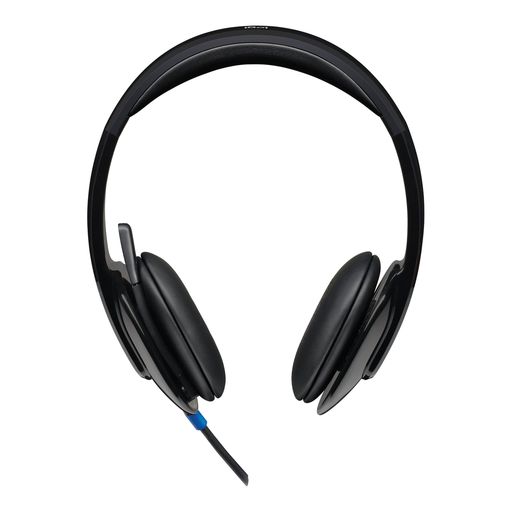 Image unavailable
Logitech H540
A straightforward wired option to compare if you teach via a computer and want mute controls on the headset.
The product information lists USB Type-A, plug-and-play, a noise-cancelling microphone and volume and mute controls on the ear cup.
View at Joybuy
 Image unavailable
Logitech PC 960
A wired headset to compare if you want an adjustable boom microphone and easy-to-reach mute controls during a tutorial.
The product information lists a noise-cancelling microphone, in-line volume and mute controls, and soft ear cushions.
View at Joybuy
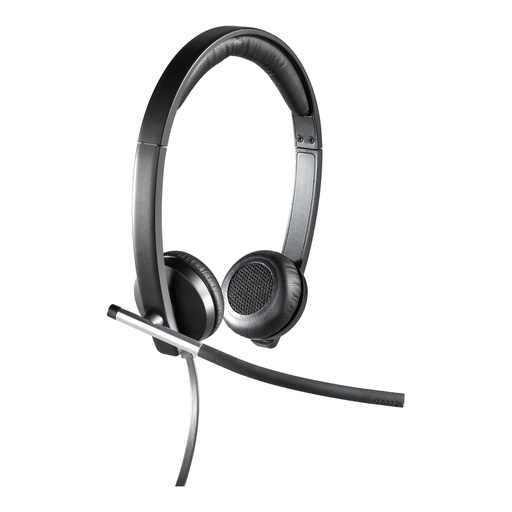 Image unavailable
Logitech H650e Stereo
A wired stereo headset to include in your comparisons if you’re looking for one for calls and conferences.
The product information lists USB, in-line volume controls and a noise-isolating microphone.
View at Joybuy
 Image unavailable
Logitech H340, black
A straightforward wired USB option to compare for computer-based calls.
The product information lists plug-and-play and an adjustable microphone described as noise-cancelling. Check that the USB connection is compatible with your computer.
View at Joybuy
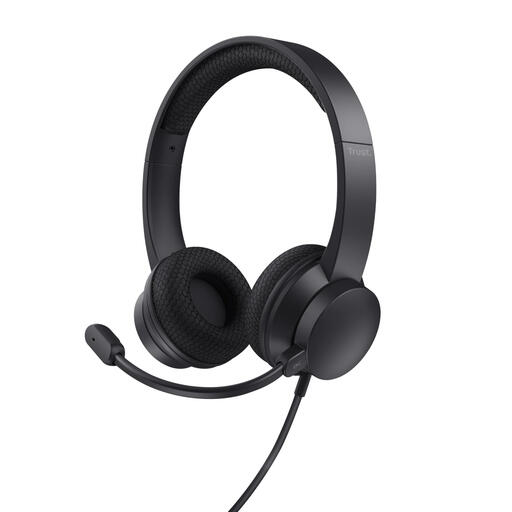 Image unavailable
Trust Ayda wired headset
An option to compare if you want to control mute and volume on the headset during calls.
The product information lists USB-A with a USB-C adapter cable, a noise-cancelling microphone, on-ear volume controls and muting by flipping the boom microphone up.
View at Joybuy
Frequently asked questions about USB headsets for teaching online
Is noise cancellation on the microphone the same as ANC in the ear cups?
No. A noise-cancelling microphone focuses on the sound your students hear, while ANC in the ear cups is designed to reduce the noise you hear. Compare the two features separately if the office distracts both you and your students.
What should I check before my online tutorial starts?
Check that the connection or included adapter works with your computer, select the headset as the input and output device in your meeting app, and test the microphone, volume and mute with a short recording. The connection and position of the controls vary by model.
How should I look after a headset between tutorials?
Follow the cleaning instructions for the exact model and check the cable, ear cushions and boom microphone regularly. Trust lists easy-to-clean PU leather ear cushions for the Ayda Max USB; this feature doesn’t automatically apply to other models.
What are my rights when buying online in the Netherlands, including the cooling-off period and guarantee?
According to ACM ConsuWijzer, online consumer purchases generally come with a cooling-off period of up to 14 days after delivery, with some exceptions. The Dutch government states that there is no fixed time limit for the statutory guarantee in the Netherlands; if a product is faulty, the retailer is responsible for providing an appropriate solution. Check whether an exception applies to your specific purchase: it doesn’t automatically apply to every headset.


