
Taking part in an online mentoring session
You want to speak clearly and hear the other person without distractions. A positionable microphone, mute function and suitable USB connection may all be worth considering.


For an online mentoring session where you’ll be speaking, choose a headset with a connection that works with your computer and a microphone you can position and mute. If someone else in the room also needs to take part, don’t assume one headset microphone will work for the whole room: Microsoft Support explains that you can select the meeting room’s audio as the source in Teams.
You want to speak clearly and hear the other person without distractions. A positionable microphone, mute function and suitable USB connection may all be worth considering.
You also want to hear someone else in the room. Consider leaving one ear free and how voices in the room will sound to the person joining remotely.
You want to know in advance which USB port is available, and select the right microphone and speaker in the meeting app.
First, decide whether just you or several people in the room need to be heard clearly by remote participants. Then check the connection and controls, and consider whether mono or stereo is right for the way you want to listen.
| What to consider | What should you check? | Who is this important for? |
|---|---|---|
| Speaking clearly | Check that you can position and mute the microphone; test the recording in your meeting app. | If I’m speaking, I want my voice to come through clearly and the microphone to stay near my mouth. Around 33% of consumers prioritise how clearly their own voice comes through. |
| USB connection and app | Check your computer’s port, the exact model variant and whether you need an adapter; select the headset as your microphone and speaker. | If I switch between computers, I want to know in advance that the headset will connect and be set up correctly. Around 25% of consumers prioritise connection compatibility. |
| Listening and staying aware of the room | Compare mono and stereo and check the fit for yourself; an uncovered ear lets in the sounds of the room. | If I want to hear the remote participant and stay in touch with the mentor beside me, the listening setup matters. Around 25% of consumers prioritise this combination. |
| Controls during the call | Check how to mute and adjust the volume, and whether the headset controls are conveniently placed for you. | If I want to mute quickly or adjust the volume during the session, I’m looking for controls I can find straight away. Around 17% of consumers prioritise easy access to call controls. |
Headset descriptions refer to the microphone used by the wearer; they don’t prove that it will pick up the voices of several people in the room clearly.
Decide who needs to hear the remote participant. If several people in the room are taking part, test the room’s audio setup before the session too.
A product range may include different USB variants. The wrong connector or a missing adapter could mean the headset won’t connect to the computer you intend to use.
Check the full model name, connector and what’s included with the variant you’ve chosen.
The H390 is a wired headset for one-to-one sessions, available with USB-A or USB-C.
The Ayda USB-ENC 25089 is an on-ear option to compare if you’re looking for USB and USB-C connection options.
The Blackwire 3200 series is worth considering if you’re deciding between mono and stereo.
The Evolve 20 and Evolve 20SE are wired headsets available in separate USB-A and USB-C variants.
The PC 8 USB is a stereo headset for computer use and online calls.
These product picks are headsets for online calls. Check the connection for each model and whether its listed features suit your role in the mentoring session.
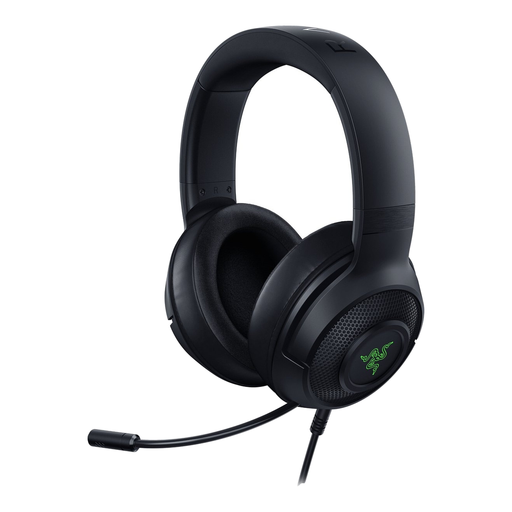 No image available
Could suit a one-to-one session where you listen to someone and speak into a microphone yourself.
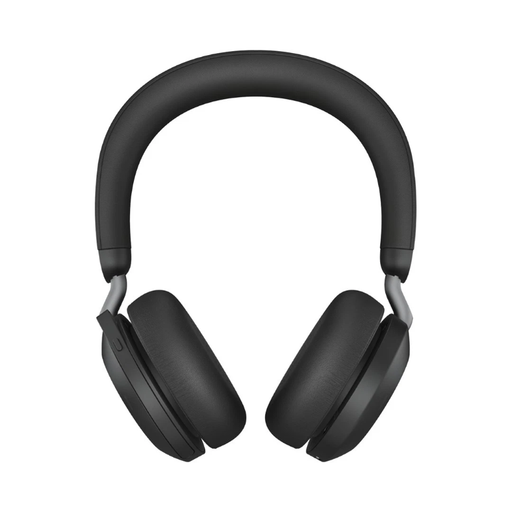 No image available
One to consider if you’re looking for a wired USB-C connection during calls.
The product description lists a USB-C cable for wired use.
 No image available
Could suit an online call where you want to listen and speak via USB.
 No image available
An option for a one-to-one online session if you’re looking for a wired USB headset with a microphone.
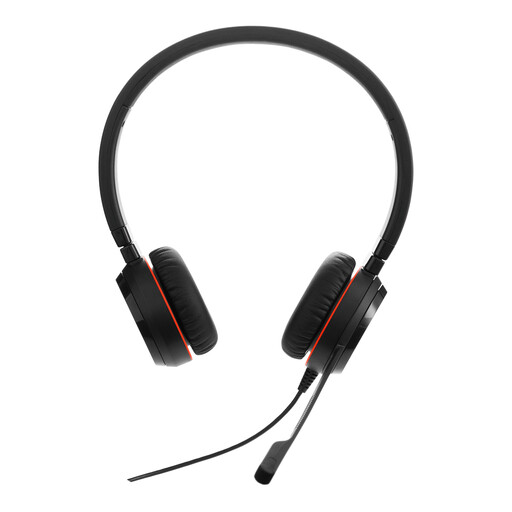 No image available
Could suit you if you want to listen in stereo and connect the headset to your computer via a USB controller.
The product description lists a 3.5 mm headset with an included USB controller for connecting to a computer.
Don’t assume it can. The headset microphones described are designed for the wearer, not proven solutions for making several people in the room clearly audible to remote participants. Microsoft Support explains that you can select a meeting room as the audio source in Teams; test the setup before the session.
In Teams, select your connected headset as the microphone and choose your preferred speaker too. Microsoft Support also describes a test call that you can use to check call quality.
First check which port your computer has, then find out which connection the exact headset variant uses. Logitech distinguishes between USB-A and USB-C versions of the H390; Trust lists both connection options for the Ayda USB-ENC 25089.
Keep the volume low and take listening breaks. The World Health Organization points out that sound level, listening time and how often you’re exposed to sound all matter.
For many online purchases made by consumers, you’ll generally have 14 days from delivery to change your mind, although exceptions apply. ACM ConsuWijzer and the Dutch Government explain these rules; check the terms before opening or trying out the product. You also have statutory rights against the seller if, under normal use, a product doesn’t do what you could reasonably expect. This legal guarantee is not the same as a manufacturer’s warranty.