
People with large project folders
If you keep lots of scans, photos and successive project versions, first work out how much space they take up altogether.


First, choose a capacity that gives you enough room for your project folders and the versions you want to keep. Then compare the stated write speed and connector with the computer you’ll use to transfer the files. A USB flash drive isn’t a standalone long-term storage solution: the Noord-Hollands Archief warns that physical media can become damaged or unusable, so make sure you also keep a separate, up-to-date copy.
If you keep lots of scans, photos and successive project versions, first work out how much space they take up altogether.
A USB flash drive can serve as an extra portable copy, but it isn’t suitable as your only storage location: the Noord-Hollands Archief warns that physical media can become damaged or unusable over time.
If you regularly copy large folders or use different devices, check the write speed and make sure the connector is compatible with your computer.
| What to consider | What should you look for? | Who is this important for? |
|---|---|---|
| Usable capacity | Check the size of the project folders and versions you want to keep, then compare it with the available space on the model. | I want to keep scans and multiple project versions on one drive; around 36% of consumers say having enough usable capacity is their main concern when buying. |
| An extra archive copy | Decide where you’ll keep a separate, up-to-date copy and how you’ll find the files again later. | I want to be able to find family records even if a drive is damaged; around 29% of consumers prioritise keeping a separate copy. |
| Write speed | Compare the stated write speed of the exact model with your computer’s USB port; a maximum isn’t a guaranteed transfer time. | If I regularly copy large folders, I want to know how the write speed and computer port work together; around 21% of consumers say write time is their main concern when buying. |
| Connector and file system | Check that the USB-A or USB-C connector is compatible and that your devices support the file system you choose. | I want to connect the drive to my different devices and open the files on them; around 14% of consumers prioritise compatibility. |
The file system matters if you have an individual file larger than 4 GB: Microsoft says exFAT supports files of this size, while FAT32 has a limit on individual file size. A large folder doesn’t necessarily contain a file larger than 4 GB. Before formatting, check that all your devices can read exFAT.
To make an archive copy, you write files to the drive. So a stated read speed doesn’t tell you how quickly those files will be copied onto it.
Compare the write specifications for the exact model and treat maximum speeds as manufacturer figures, not guaranteed transfer times.
Copying files onto the drive may take longer than the read speed suggests.
A drive can become damaged or unusable over time, which may make the files stored on it inaccessible.
Keep a separate, up-to-date copy and organise your folders so you can find important files later.
The FAT32 limit of 4 GB applies to an individual file, not the total size of a folder.
Check the size of your largest individual files and whether the devices you’ll use with the drive support its file system.
The features listed apply to the product ranges or models described; they aren’t a general recommendation for an entire brand.
The DataTraveler Max is worth comparing if you regularly transfer large project folders and the USB-C model you choose is compatible with your computer.
The BAR Plus is a USB-A range to compare if the connector and capacity of a particular model suit your devices.
The JetFlash 920 is a USB-A option to compare if you want to look at both read and write specifications.
The USB-A Extreme PRO model described is worth comparing if you’re looking for clearly stated read and write specifications.
This Joybuy selection includes USB flash drives for storing and transferring project files as an extra copy. Compare the stated capacity and connector with your files and devices, and keep your family archive in a separate location too.
 No image available
An option for anyone who wants to store and transfer project files on a portable drive.
The product name lists 256 GB, USB 3.2 Gen 1 and a stated write speed of up to 625 MB/s; this maximum isn’t a guaranteed transfer time.
 No image available
An option if 256 GB and a USB 3.0 specification meet your need for portable storage for project files.
Check that the connector is compatible with the devices you’ll use to access your files, and keep a separate copy too.
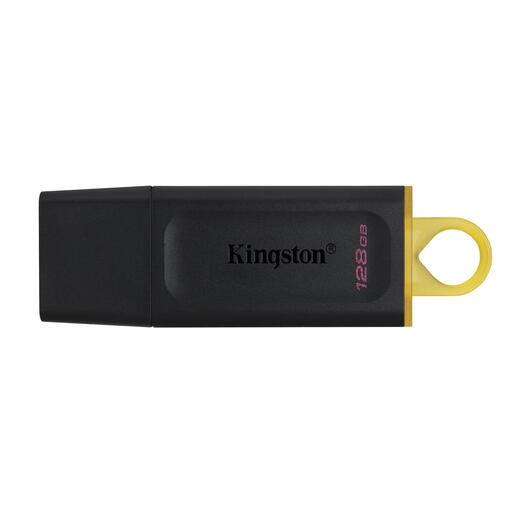 No image available
An option to compare if you’re looking for a USB flash drive for storing and transferring files.
The product name specifies USB 3.2. Check the capacity and connector of the model you choose before using it with your project folders.
 No image available
An option to compare if you’re looking for a USB flash drive for storing and transferring files.
The product name specifies USB 3.2. Check the capacity and connector of the model you choose before using it with your project folders.
 No image available
An option for anyone looking for a higher stated capacity for portable project files.
The product name lists 512 GB and USB 3.2 Gen 1. Check that the connector and file system are compatible with your devices.
No, don’t keep your archive solely on a USB flash drive. The Noord-Hollands Archief warns that drives can deteriorate or become damaged over time; VeiligInternetten describes keeping a separate, up-to-date backup as a way to store files elsewhere too.
Not just because the folder is large. The FAT32 limit applies to a single file of 4 GB; exFAT supports larger files. Before formatting, check that the devices you’ll use with the drive can read exFAT, and keep another copy elsewhere too.
A stated maximum isn’t a guaranteed speed for your files and computer. For optimum DataTraveler Max performance, Kingston specifies a USB 3.2 Gen 2 host port, among other requirements; also check the connector and any hub or extension cable you’re using.
When you buy as a consumer, you’re entitled to a product that works as it should under the statutory guarantee. The Dutch government distinguishes between the statutory guarantee and any manufacturer’s warranty; the appropriate remedy depends on the problem and the circumstances.
This depends, among other things, on why and how you share the information. The Dutch Data Protection Authority describes an exemption for publications intended solely for personal or household purposes; this exemption doesn’t automatically apply to public publications. Check the privacy terms before sharing information.