
Listener at a shared desk
You want to listen through wired headphones without setting up extra speakers, so first check whether your existing PC output is good enough.


If your headphone plug fits and your PC’s output meets your needs, you don’t automatically need to buy a separate USB DAC. Choose a compact USB DAC if you mainly want to connect wired headphones; a desktop device may suit you if you need specific outputs or a volume control within easy reach. If you also use a headset microphone, check explicitly that the device has a suitable input.
You want to listen through wired headphones without setting up extra speakers, so first check whether your existing PC output is good enough.
You leave equipment on your desk and would genuinely benefit from an easy-to-reach volume control or specific headphone and line outputs.
You want to use the same wired headset for calls, so check separately whether the device supports a microphone.
Choose this if: your headphones fit and the current connection meets your needs.
Bear in mind: you won’t get extra connections or controls on your desk.
Choose this if: you mainly want to connect wired headphones without taking up much space.
Bear in mind: check the USB port and headphone plug; don’t assume there’s a microphone input or physical volume control unless the model specifications say so.
Choose this if: you need an easy-to-reach volume control, specific headphone outputs or an extra output.
Bear in mind: allow space for the device and its cables; according to FiiO, the FiiO K11 uses an external 12V power supply, while the iFi ZEN DAC 3 manual specifies USB power or a separate 5V power supply.
Choose this if: you want to listen and speak using a compatible wired headset.
Bear in mind: extra inputs may be unnecessary if you only listen; check that your headset’s plug configuration is compatible.
| What to consider | What should you check? | Who is this important for? |
|---|---|---|
| A compatible connection | Check that your PC’s USB connection and headphone plug are compatible. Try your existing PC output first. | I want to find out whether my PC and headphones already work together before adding anything else to my desk; around 40% of consumers have a usable personal connection as their first concern. |
| Headphone output and controls | Check the type of output and whether there’s a physical volume control. FiiO lists 6,35mm and 4,4mm outputs and three gain levels for the K11; the iFi manual lists those two headphone outputs for the ZEN DAC 3. | I want a compatible connection or a volume control within easy reach; around 30% of consumers prioritise headphone drive and controls. |
| Space and power | Allow for the device, cables and power supply. FiiO lists an external 12V power supply for the K11; the iFi manual specifies USB power or a separate 5V power supply for the ZEN DAC 3. | I want to keep the shared desk tidy, so I’m considering the space needed for the device and its cables; around 20% of consumers have space and power as their first concern. |
| Microphone for calls | Check that the exact device has a headset or microphone input and that your headset’s plug configuration is compatible. | I want to listen and talk using the same wired headset; around 10% of consumers have headset calls as their first concern. |
A stated power output may apply only to a particular output and load. On its own, that figure doesn’t tell you how a specific combination of headphones and device will perform.
First decide which connection or control issue you want to solve. Only compare specifications when the output and load match.
An output for listening doesn’t confirm that your headset microphone will work. Creative lists a separate headset input and microphone input for the Sound Blaster X4.
Check for a microphone input and make sure the plug configuration is compatible with the exact model before you choose.
A desktop device takes up space, along with its cables. According to FiiO, the FiiO K11 uses an external 12V power supply; the iFi ZEN DAC 3 manual specifies USB power or a separate 5V power supply.
Check which power supply comes with the version you’ve chosen, and allow room on your desk for the necessary connection and cables.
According to the World Health Organization, risks to your hearing are linked to both sound level and how long you’re exposed to loud noise.
Start at a low volume and keep an eye on how long you listen for. Well-fitting headphones can help you avoid continually turning up the volume to drown out background noise.
The K11 is an example of a desktop USB DAC and headphone amplifier with multiple digital inputs and headphone outputs.
The ZEN DAC 3 is a desktop DAC for anyone looking for a physical volume control and specific headphone or line outputs.
The Sound Blaster X4 is worth comparing if you want one USB device to offer connections for a wired headset or microphone as well.
The DragonFly Black v1.5 is an example of a compact USB DAC with a headphone amplifier for wired headphones.
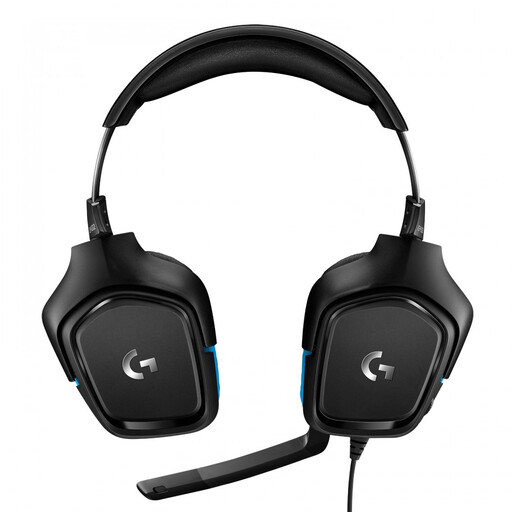
These picks are wired headsets and earphones with a stated USB DAC or built-in DAC, not standalone DACs for your existing headphones.
 No image available
The included USB DAC gives this wired headset a USB listening option; check that this connection works with your PC.
The description lists volume control and a flip-to-mute microphone.
 No image available
According to the product description, these earphones have a built-in DAC; check that your PC has a compatible USB-C connection.
The description lists a microphone and in-line controls. The USB-C connection means these aren’t a standalone DAC for other headphones.
Not if your headphones fit the PC output and it meets your needs. First work out which specific connection or control issue you want to solve; a separate DAC isn’t essential for private listening.
Connect the supported USB audio input to your PC, then plug your headphones into a compatible output on the exact model. Start at a low volume. The iFi ZEN DAC 3 manual warns you to turn the volume down before changing the PowerMatch setting. The World Health Organization recommends considering both sound level and listening time.
No. A headphone output doesn’t automatically mean the microphone will work. Check that the exact device has a compatible headset or microphone input; Creative lists both connections for the Sound Blaster X4.
When you buy as a consumer in the Netherlands, your statutory guarantee applies alongside any commercial guarantee. ACM ConsuWijzer states that, under the applicable conditions, the seller must repair or replace a faulty product free of charge, or refund you. There isn’t one fixed guarantee period that applies to all products in the Netherlands.
No. The European Commission describes CE marking as an indication from the manufacturer that applicable EU product rules have been met, not as an independent sound-quality test. Whether CE marking is compulsory for a particular version depends on the rules that apply to that product; don’t draw a definitive conclusion about compliance from a product photo alone.