Who is a USB DAC suitable for?

Listener with limited desk space

You want to use wired headphones with your desktop without adding lots of extra equipment. Compare a compact USB DAC with a desktop unit for size and connections. AudioQuest describes the DragonFly Black v1.5 as a USB stick-style model for use with desktop computers, among other devices.

Listener with more demanding headphones

You want to check whether the output and gain settings suit your headphones, rather than relying on a high DAC resolution alone. FiiO lists three gain settings and several headphone outputs for the K11.

Headset user who also needs to speak

You want to listen and use a wired microphone through the same USB sound card. Creative lists both a headset connection and a separate microphone input for the Sound Blaster X4. Check that the device supports your operating system too.

What should you look for when choosing one?

What to consider What should you check? Who is this important for?
Connections and space Check your desktop’s USB port, your headphone plug and the space available for cables. Consider whether you need a physical volume knob. If you mainly want a simple setup for listening with one pair of wired headphones and have little desk space, a compact setup matters; around 40% of consumers put this first.
Headphone output Note your headphones’ plug type, impedance and sensitivity. Compare these with the specifications for the specific output you plan to use. For consumers who first want to know whether their existing headphones will be driven properly, the output and amplification matter more than extra features; around 30% have this as their main priority.
Microphone input Check explicitly for a headset or microphone input, the type of plug it uses and whether your computer is supported. If you want to speak through a wired headset in your student room, a confirmed microphone input is more useful than a headphone output alone; around 20% of consumers prioritise this.
Connection for active speakers Check whether your speakers are active, what input they have and whether the DAC offers a suitable line output and the volume control you want. If you want to use active speakers as well as headphones at the same desk, the right line output and controls matter; around 10% of consumers put this need first.

Common buying mistakes

  • Mistaking a headphone output for a headset connection

    A headphone output doesn’t automatically mean you can connect a microphone. Creative lists separate headset and microphone connections for the Sound Blaster X4.

    If you want to speak, check microphone support and the plug type explicitly before you buy.

    If your device isn’t compatible with your headset, you may need a separate adapter or sound card.

  • Looking at the highest power rating in isolation

    FiiO gives power ratings for the K11 by output and load. A rating for one connection doesn’t necessarily tell you what to expect from another output or with different headphones.

    Compare the specifications for the output you’ll actually use, and start at a low volume once everything is connected.

  • Forgetting about power and space for cables

    According to FiiO, the K11 uses a separate 12 V/2 A power supply. iFi says the ZEN DAC 3 can be powered by USB and that a separate 5V power supply isn’t included.

    Check which power supply the exact model needs or includes, and make sure there’s room behind the device for the plug and cables.

    With the iFi ZEN DAC 3, you’ll need to source a separate 5V power supply yourself if you want to use that power option.

Brands to compare

FiiO

The K11 is a desktop USB DAC and headphone amplifier for anyone who wants to compare several connections at their desk.

  • FiiO lists a volume knob, three gain settings, 6.35mm and 4.4mm headphone outputs, and RCA.
  • According to FiiO, the K11 needs a separate 12 V/2 A power supply. Power ratings apply to specific outputs and loads, so compare them with your own headphones.

iFi audio

The iFi uno is a compact desktop DAC with headphone and RCA outputs. The ZEN DAC 3 also has separate fixed and variable output settings.

  • The uno’s RCA output may be useful if you want to connect active speakers and their input is compatible.
  • iFi says the ZEN DAC 3 can be powered by USB or by a separate 5V power supply, which isn’t included. Sound descriptions and claims about settings come from the manufacturer; they aren’t independent listening assessments.

Creative

The Sound Blaster X4 is a USB sound card for anyone looking for headset or microphone input as well as headphone audio.

  • Creative lists a headset connection, a separate microphone connection, USB power and software features.
  • The extra connections and software are only useful if you use them. Check the system requirements and make sure the connections suit your headset; manufacturer claims about effectiveness aren’t independent assessments.

AudioQuest

According to AudioQuest, the DragonFly Black v1.5 is a compact USB DAC for wired headphones, including when used with a desktop computer.

  • AudioQuest lists Windows compatibility and a 1.2 V output for this model.
  • Check that the USB connection and output suit your setup and headphones. The manufacturer’s sound description isn’t a comparative measurement.

Joybuy products for this setup

This option is for anyone looking for a wired gaming headset as well as a USB DAC; it isn’t a standalone DAC for an existing pair of headphones.
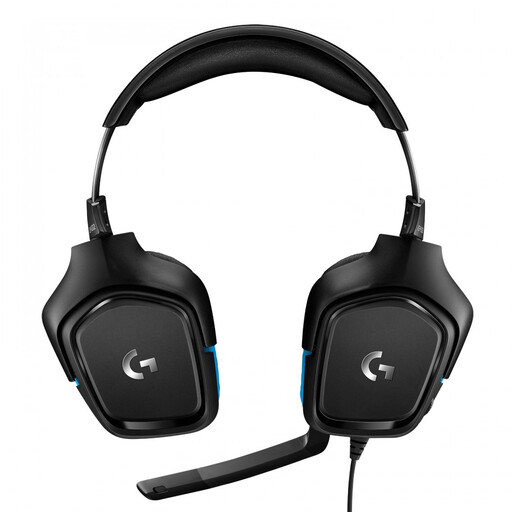
Logitech G G432 7.1 Surround Sound wired gaming headset

Logitech G G432 7.1 Surround Sound Wired Gaming Headset

An option if you’re looking for a wired gaming headset with a USB DAC included, rather than a separate DAC for your existing headphones.

The product description lists a USB DAC, a 3.5mm connection and a 200 cm cable. For the specific device, check which European safety and EMC requirements apply, and whether CE marking and an EU declaration of conformity are required.

View at Joybuy

Frequently asked questions

Is a high sample rate the most important thing to look for?

No. First check which USB, headphone, microphone and, if needed, speaker connections you require. FiiO lists several USB audio formats and separate power ratings for each headphone output on the K11. One specification doesn’t replace the other, or prove that you’ll hear an improvement.

How do I connect a desktop DAC without an unexpectedly loud sound?

Connect the appropriate cables, select the DAC as your computer’s audio output and start at a low volume. In the ZEN DAC 3 manual, iFi warns you to turn the volume down before changing PowerMatch. Follow the manual for other models too.

How can I reduce the risks of long listening sessions?

The World Health Organization advises keeping the volume low and taking regular breaks. Exposure depends on both sound level and listening time, so a DAC setting alone doesn’t tell you how much sound reaches your ears.

What are my rights if a DAC I bought online isn’t suitable or develops a fault?

For online purchases in the Netherlands, you generally have a statutory 14-day cooling-off period after delivery, with some exceptions, according to ACM ConsuWijzer. The product must also be of satisfactory quality. The Dutch government says there’s no fixed statutory warranty period in the Netherlands, and that you can contact the seller if a product is faulty.

What product regulations must a USB DAC meet in the Netherlands?

Electrical and electronic devices placed on the market in the Netherlands must meet the applicable European product safety and electromagnetic compatibility requirements. According to Ondernemersplein, whether CE marking is mandatory depends on the product group and the regulations that apply. Check which requirements and documents apply to the specific model.
