
A torch with an unclear charging connection
You want to find out how your particular torch charges first: via USB-A or USB-C, a magnetic cable or a removable battery. Ledlenser describes different charging methods for rechargeable torches.


Start by checking your torch’s charging port and power instructions: a USB connection doesn’t automatically mean that every USB-C cable or charger will work. A compact USB charger may be enough for one torch; multiple compatible ports are useful if you also want to charge other USB devices. Ledlenser describes different charging methods, while Brandweer Nederland advises keeping chargers uncovered, dry and away from heat.
You want to find out how your particular torch charges first: via USB-A or USB-C, a magnetic cable or a removable battery. Ledlenser describes different charging methods for rechargeable torches.
You want to charge your torch in a tidy spot and can keep the charger and torch away from splashes and cooking heat.
You want to charge other USB devices as well as your torch, so you’re considering the port types and available power when several devices are connected at once.
First, check how your torch charges. Then decide whether you’ll connect just the torch or charge other USB devices in the same spot too.
Ideal for: one torch and a conveniently located mains socket.
Bear in mind: a wall charger doesn’t provide a dedicated place for the torch, and usually offers fewer connection options for other devices.
Ideal for: a charging spot where you want to connect a torch and other USB devices at the same time.
Bear in mind: the power available when using multiple ports may differ from the power available through a single port.
| What to consider | What to look for when buying | Who is this important for? |
|---|---|---|
| Connection and charging method | Check the manual and the required cable or charger. See whether the torch uses USB-A, USB-C, a magnetic connection or a removable battery. | I want to know exactly how my torch charges before buying, so I can choose the right connection and any special cable I might need. Around 36% of consumers prioritise the connection and charging method. |
| A suitable charging spot | Choose a dry, clear spot where heat can escape from the charger, away from splashes and cooking heat. | I want to charge my torch on the worktop without placing the charger near moisture or heat. Around 36% of consumers focus on finding a suitable, safe spot. |
| Number and type of USB ports | Compare USB-A and USB-C with the cables you use. Also check the available power when using multiple ports at once. | I want to charge other USB devices in the same spot too, so I need more than one compatible port. Around 19% of consumers prioritise the number and combination of ports. |
| A compact set-up | Check how much space the charger takes up around the socket and where the torch can sit while it charges. | I’m only charging one torch and want to keep my worktop as clear as possible. Around 9% of consumers prioritise a simple, compact set-up. |
Torches can charge in different ways. A standard USB charger won’t replace a cable, holder or battery charger that’s specifically required for your torch.
Before buying, check the manual and the accessories supplied with the exact torch model.
Depending on the torch, you may also need a specific charging cable or battery charger.
The stated power per port doesn’t automatically tell you how much power the torch will use. What’s available may also be shared between devices when several are connected.
Compare the torch’s power instructions with the output of the specific port you plan to use.
Brandweer Nederland advises plugging high-power appliances, such as electric deep-fat fryers, directly into a mains socket rather than an extension lead.
Keep your torch’s charging spot separate from the power supply for high-power kitchen appliances. Leave the charger uncovered and don’t use damaged cables.
The BoostCharge WCB009vfWH is a wall charger with one USB-A and one USB-C connection.
The European Nexode range includes a charger with an integrated retractable USB-C cable, plus separate USB-C and USB-A ports.
These products offer USB-A and USB-C connections for charging multiple devices. Before use, check that the connection and power instructions are suitable for your torch; keep the charger dry and away from heat.
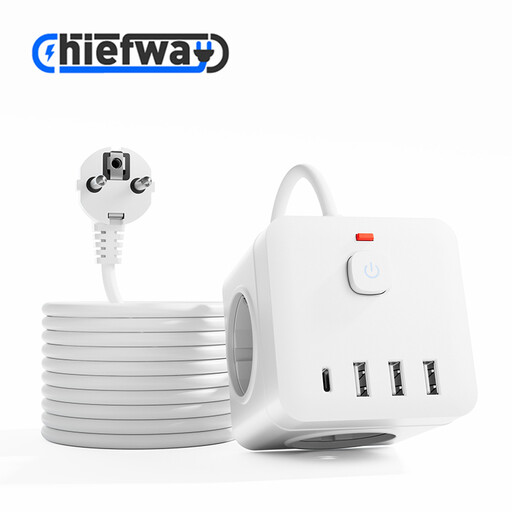 Image unavailable
Could be suitable if your torch uses a USB-A or Type C connection that matches the charger.
The product name lists USB-A, Type C, an on/off switch and a 1.5 m cable. Keep the power strip away from water and moisture.
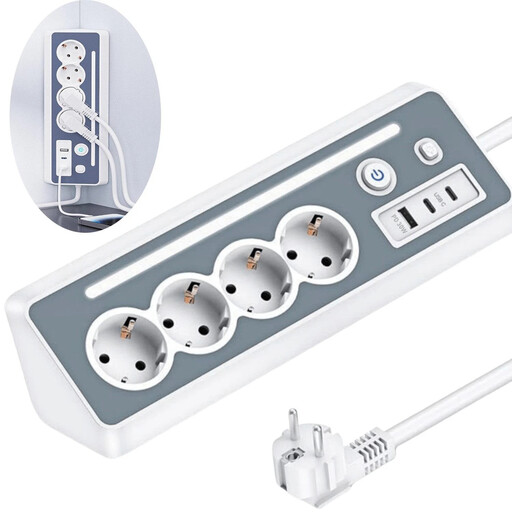 Image unavailable
Could be suitable if you want to connect other USB devices in the same spot as your torch.
The product name lists two USB-C ports and a USB-A PD port. Check that the connection and power instructions are suitable for your torch.
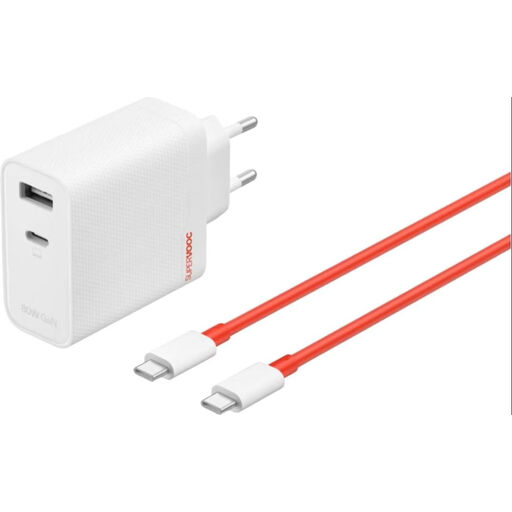 Image unavailable
Could be suitable if you want to connect a second device and your torch’s connection matches one of the ports.
The product name lists Type A and Type C. Check your torch’s power instructions before using the adapter.
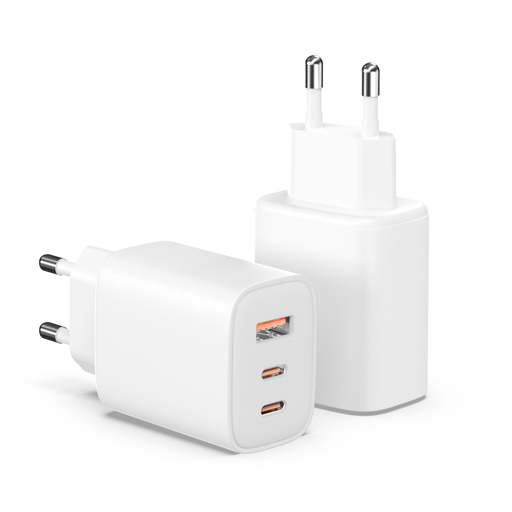 Image unavailable
Could be suitable if you want to connect multiple devices and your torch uses one of the listed port types.
The product name lists two USB-C ports and one USB-A port. Product information states that the charger is for indoor use only; avoid damp environments and contact with water.
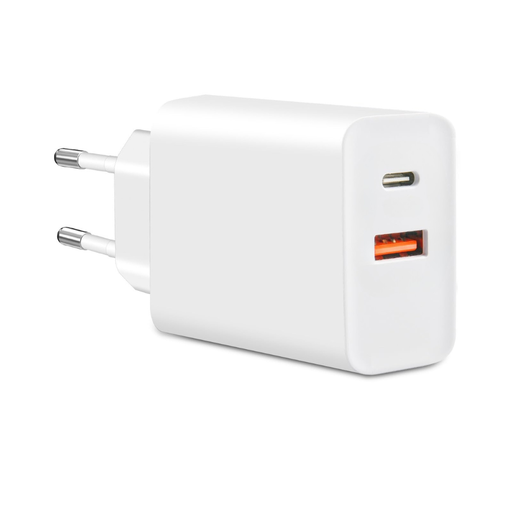 Image unavailable
Could be suitable if you want to connect another USB device as well as your torch, and the torch works with one of the ports.
The product name lists USB-C and USB-A. Product information states that the charger is for indoor use in dry conditions only; avoid contact with water.
No. First check how your particular torch charges. Ledlenser describes torches that use a charging cable, a removable battery or a magnetic charging connection; the Ledlenser K4R has a fold-out USB-A connector. Follow the manual for the required cable and power supply.
Leave the charger uncovered so heat can escape, and keep the set-up dry, away from splashes and cooking heat. Brandweer Nederland advises against using damaged cables and chargers; also follow your torch’s instructions.
In the Netherlands, you can claim your statutory guarantee from the seller if the product doesn’t meet what you could reasonably expect. ACM ConsuWijzer states that an eligible fault must be resolved free of charge, for example through repair, replacement or a refund; a manufacturer’s warranty doesn’t replace this right.
The Netherlands Food and Consumer Product Safety Authority states that electrical products must carry a CE mark. For the low-voltage rules, the NVWA describes the scope as 50–1000 V nominal AC or 75–1500 V nominal DC; which rules apply depends on the specific product. A CE mark is the manufacturer’s declaration and doesn’t automatically mean that an independent assessment has taken place.