What should you look for?
First, check your hand warmer’s cable and charging output. Then decide whether you want to connect one device or several at once, and make sure your chosen spot has enough room for safe charging.
| What to consider |
What should you look for? |
Who is this most important for? |
| Connector and output |
Check the connector at the charger end of the cable and the specified charging output against the instructions for your exact hand warmer model. |
If I want to make sure the cable and output are right for my hand warmer before choosing a charger, compatibility comes first. Around 36% of consumers share this top priority. |
| Safe charging |
Check the cable and charger for damage and keep them uncovered. Also follow the instructions on using your hand warmer while it’s charging. |
At a busy desk, I want to be able to place the charger away from piles of items and other belongings. Safe charging is the top priority for around 29% of consumers. |
| Connecting two devices |
Check that both cables fit the available ports and compare the output of each port with the instructions for each device. |
If I’m sharing one socket and want to connect two devices at once, I focus on the number and type of ports. Around 21% of consumers prioritise this. |
| Space and accessibility |
Check whether there’s enough room around the socket and whether the cables can run freely without kinks. |
When there’s little free space on my desk, I want a charger that’s easy to reach and won’t be covered by other items. Space and placement matter most to around 14% of consumers. |
Chargers and desk sockets
This selection of Joybuy products includes USB chargers and a desk socket with USB ports. For each product, check that the connectors, output and included cable are suitable for your hand warmer and workspace.
 No image available
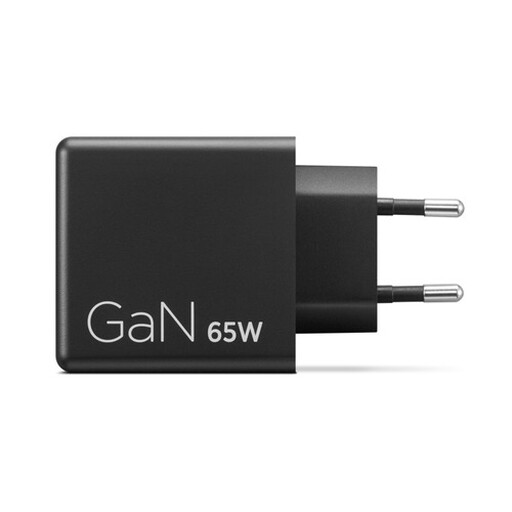
Lenovo Dual USB-C 65W GaN Charger, 2-Port USB-C Fast Charger
Could be suitable if your hand warmer cable has a USB-C connector at the charger end and you also want to connect a second USB-C device. First check the charging requirements of both devices.
It has two USB-C ports. For simultaneous charging, the product description specifies up to 45 W via USB-C1 and 18 W via USB-C2. A 1.5 m USB-C cable is listed.
View at Joybuy
 No image available
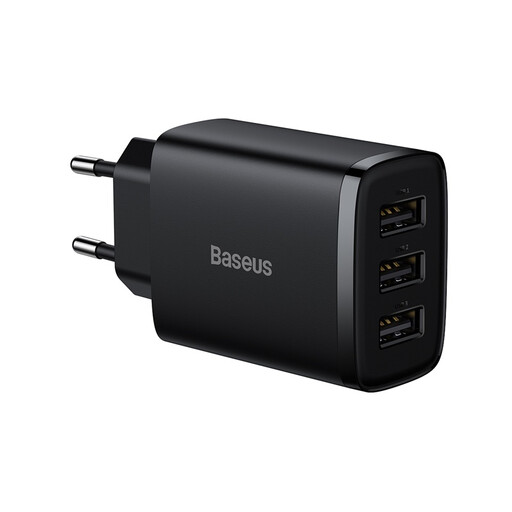
BASEUS Compact Charger 3U 17W EU Black
Could be an option if its power output and connector match your hand warmer’s instructions. Check the port type before choosing.
The product name specifies 17 W, and the product description calls it a compact model.
View at Joybuy
 No image available
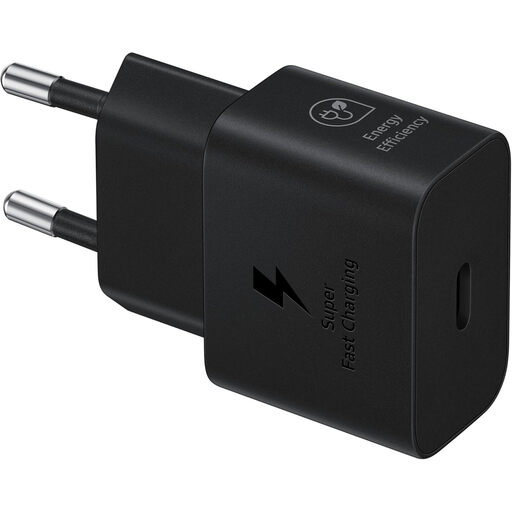
Samsung Original 25W Type-C Charger, Black
Could be suitable if your hand warmer cable has a USB-C connector at the charger end and the output matches your hand warmer’s charging instructions.
The product description specifies a single USB-C output of up to 25 W. No cable is included.
View at Joybuy
 No image available
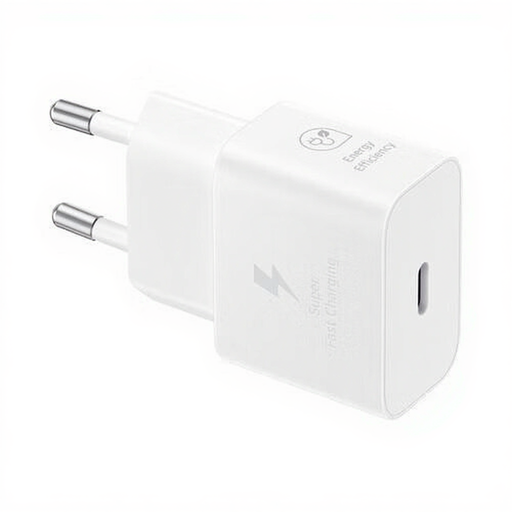
Samsung 25W Efficiency Adapter with 1-metre USB-C cable, white
Could be suitable if the USB-C connector and output match your hand warmer’s instructions. Check that the cable supplied is suitable too.
The product description specifies a USB-C output of up to 25 W and a 1 m USB-C to USB-C cable.
View at Joybuy
 No image available
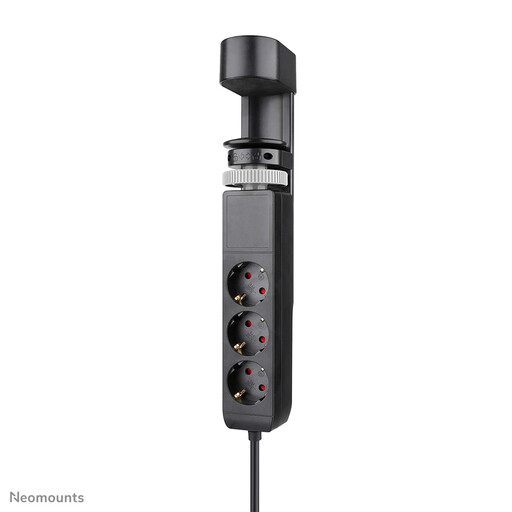
Neomounts DS22-840BL6 desk socket with clamp
Could be useful if you need both USB ports and extra sockets at your desk. Check that the mounting and position work for your shared workspace.
The product description specifies two 20 W USB-C ports, one 18 W USB-A port and three Schuko sockets. A clamp mount and 1.4 m power cable are also listed.
View at Joybuy
Frequently asked questions
Can I use any USB-C fast charger with my hand warmer?
No. The connector shape and maximum wattage alone don’t confirm that a charger is suitable. Check the instructions for your exact model and the cable you’re using. For example, Ocoopa recommends different adapters for standard and fast-charging hand warmers.
Can I use my hand warmer while it’s charging?
Follow the instructions for your model. Ocoopa advises that its hand warmers shouldn’t be left plugged in while in use; this advice doesn’t automatically apply to every brand and model.
Where should I put the charger and hand warmer while charging?
Keep the charger uncovered so it can dissipate heat, and don’t use a damaged cable. The Netherlands Fire Service gives this safety advice for chargers. Also follow your hand warmer’s instructions and the rules of your shared workspace.
Does the European USB-C rule mean my hand warmer has to have USB-C?
Don’t assume so. The European Commission lists specific categories of equipment covered by the common charging rules; hand warmers aren’t among the categories listed. So check the connector on your own device.
What if my charger breaks too soon during normal use?
According to ACM ConsuWijzer, if a product is faulty, you have a statutory guarantee in addition to any manufacturer’s warranty. The seller must resolve the problem free of charge under the applicable conditions; there isn’t one fixed statutory warranty period for every charger.


