First, check which connector your e-reader and cable use, then choose an adapter with the right port. For Kobo e-readers, Kobo recommends a 10 W, 5 V adapter if you’re having charging problems, and advises against high-wattage fast chargers. An adapter with multiple ports can be useful if you want to charge other devices too, but check what’s included in the box and look for the CE marking on the product you’re buying.
Who is this for?
Reader with an existing e-reader
You’re looking for a suitable charger or replacement cable for the device you already own. Check the connector on your model: older devices may use a different connector from newer ones. The Dutch Government explains the USB-C rule for new devices covered by the regulations.
Student with limited plug sockets
You may want to charge another device too, so you’re comparing a single-port adapter with a model that has USB-A and USB-C ports. Hama lists one port of each type on model 00201991 and says they can be used at the same time.
Reader who wants to charge safely
You charge your e-reader in the room where you study or sleep, and want to use an undamaged cable, keep the charger clear so heat can escape, and check the CE marking on a mains adapter. The Dutch Fire Service offers advice on safe charging, while the Netherlands Food and Consumer Product Safety Authority explains the CE-marking requirements for electrical products.
What should you look for when buying?
Start by checking the connector on your e-reader and both ends of the cable. Then consider whether you’re charging one device or need multiple ports, and check that the adapter and charging location are safe before use.
| What to consider |
What to check |
Who is this important for? |
| Connector and cable |
Check the connector on your e-reader and both ends of the cable; also see whether a cable is included. |
If I want to keep using my current e-reader, I need to make sure the cable and adapter will fit. Around 42% of consumers are mainly looking for the right connector. |
| Safe charging |
Check the CE marking on the mains adapter you’re buying, don’t use a damaged cable and keep the charger uncovered. |
If I study or sleep in the same room, I want to be able to position the charger safely and check the marking on the adapter. Around 25% of consumers put safe charging first. |
| Sharing a plug socket |
Check the port types and, if using them at the same time, the output per port. |
If I want to connect another device too, I’ll check that the ports work with the cables I already have. Around 17% of consumers mainly want to share one plug socket. |
| Avoiding unnecessary extras |
Check what you already own, whether a cable is included and whether you’ll actually use the extra ports. |
If my current cable and adapter still fit and are undamaged, I only want to replace what I need to. Around 16% of consumers want to avoid buying extras. |
Common buying mistakes
-
Assuming an older e-reader has USB-C
The Dutch USB-C rule applies to new devices covered by the regulations; it doesn’t change the connector on an e-reader you already own.
Check the port on your device and both ends of the cable before choosing an adapter.
-
Choosing the highest possible wattage for a Kobo
Kobo advises against high-wattage fast chargers. A higher wattage rating doesn’t, by itself, mean your e-reader will charge faster.
Follow the charging advice for your model. If you have charging problems, Kobo recommends a 10 W, 5 V adapter.
-
Assuming an adapter comes with a cable
According to Belkin, the Belkin BoostCharge WCA009kqWH box contains the adapter; the cable is not included.
Check what’s in the box and whether your existing cable fits both the adapter and your e-reader.
-
Covering a charger or continuing to use a damaged cable
The Dutch Fire Service advises keeping chargers uncovered so heat can escape, and not using damaged cables. Don’t charge a device under a pillow or duvet.
Keep the adapter clear and replace any damaged cable before using it again.
Brands to consider
Kobo
Worth considering if you want to charge a Kobo e-reader and follow the charging advice for your model.
- If you have charging problems, Kobo recommends a 10 W, 5 V adapter and advises against high-wattage fast chargers.
- This is the manufacturer’s guidance for Kobo e-readers, not an independent comparison of chargers.
Hama
Model 00201991 is worth considering if you want both a USB-A and a USB-C port on one adapter.
- Hama says the model has one USB-A port, one USB-C port and a maximum output of 20 W. It also says you can connect two devices at once.
- The power specification doesn’t guarantee a particular charging speed for an e-reader. Check the output per port when using both at once.
Belkin
The BoostCharge WCA009kqWH is a single-port adapter for use with a compatible USB-C cable.
- Belkin lists an output of 5 V/3 A and a maximum of 20 W.
- According to Belkin, this version includes the adapter but not a cable. Phone charging performance doesn’t prove how well it will charge an e-reader; if you have a Kobo, follow Kobo’s charging advice.
UGREEN
UGREEN’s Dutch product range includes USB-C adapters with different power ratings and numbers of ports.
- UGREEN lists, among other products, a 30 W Nexode model and adapters with multiple ports.
- A product range doesn’t tell you whether a particular model will work with your e-reader. A higher wattage is no reason to ignore Kobo’s charging advice.
USB chargers at Joybuy
Below are USB mains adapters with different port types and configurations. Before buying, check that the connector and cable are suitable for your e-reader, and look for the CE marking on the product you’re buying.
 No image available
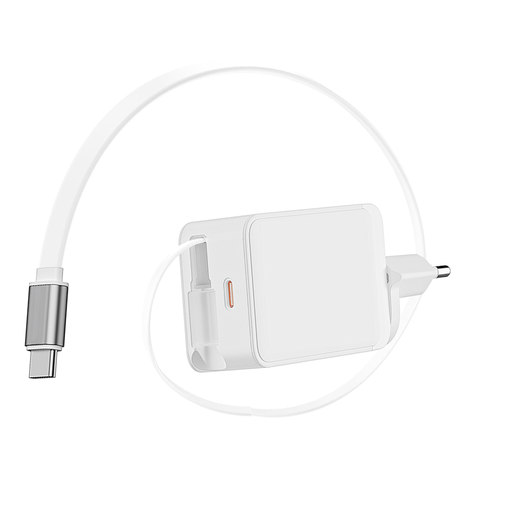
65 W USB mains adapter with 2 USB-C ports and integrated cable
The USB-C ports and integrated USB-C cable may work with an e-reader that has a compatible USB-C connector; check the connector and charging advice for your model.
The integrated cable is retractable and 70 cm long.
View at Joybuy
 No image available
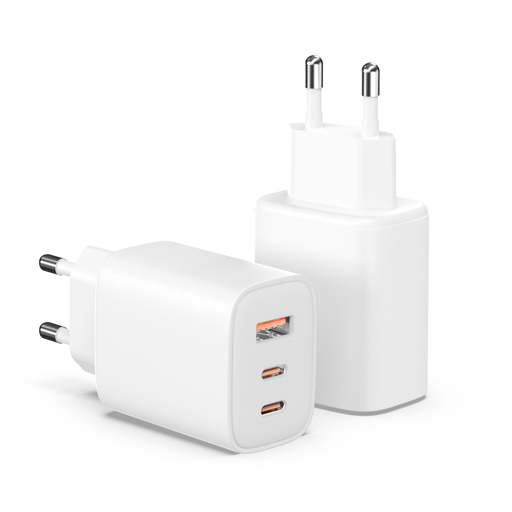
65 W USB mains adapter with 2 USB-C ports and 1 USB-A port
This adapter may suit a room where you want to connect several devices with different cable types; check that the ports work with your cables.
Cables are not included. If you’re using multiple ports at once, check the output per port and follow your e-reader’s charging advice.
View at Joybuy
 No image available
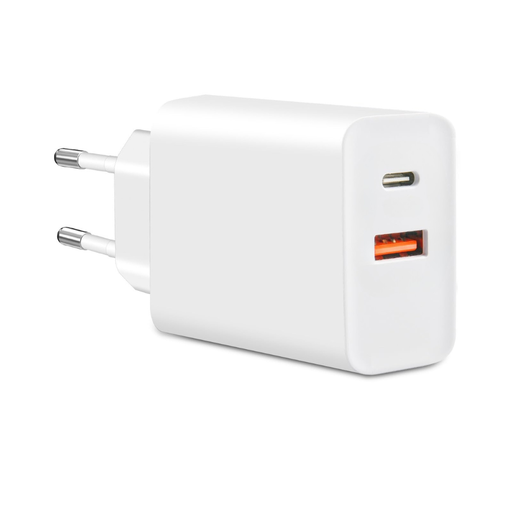
30 W USB mains adapter with USB-C and USB-A ports
The two port types may suit you if you use both USB-C and USB-A cables; check which cable works with your e-reader.
The listed combined maximum output is 30 W. This alone doesn’t tell you how quickly an e-reader will charge.
View at Joybuy
 No image available
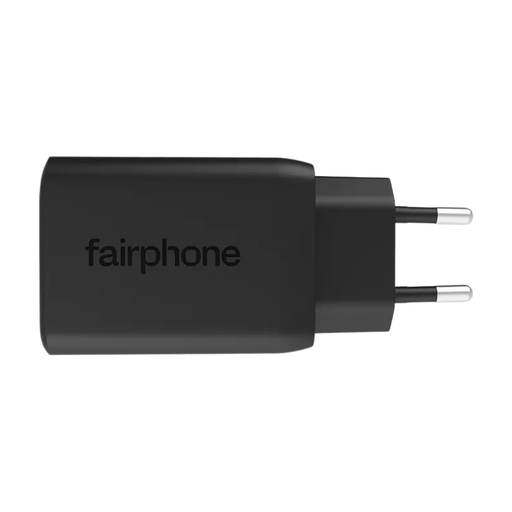
Fairphone Dual USB-C + USB Fast Charger 65W Black
The USB-C and USB ports may work with different cable types; check which connector your e-reader has.
The adapter has a power rating of 65 W and three ports. Cables are not included; follow the charging advice for your e-reader.
View at Joybuy
 No image available
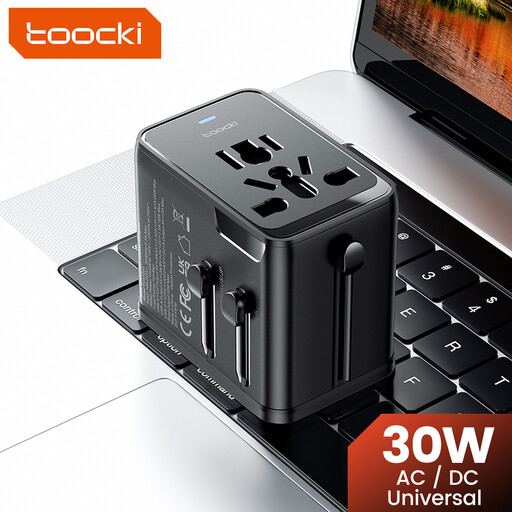
toocki Universal Travel Adapter 30W PD
This travel adapter has one USB-A port and two USB-C ports for cables with those connectors. Check that the plug configuration is suitable for the socket you want to use.
This model is described as a travel adapter for the EU, UK, US and Australia. Check the CE marking and follow your e-reader’s charging advice.
View at Joybuy
Frequently asked questions
Does every e-reader in the Netherlands have to have a USB-C connector?
No. This doesn’t automatically apply to an e-reader you already own. The Dutch Government gives 28 December 2024 as the date for new devices on the market covered by the common charger rules; check the connector on your own device.
Can I charge my Kobo using a computer?
Yes. Kobo explains that you can charge it using a USB cable connected to a computer that’s switched on, or with a USB mains adapter. Use the supplied cable if possible; for a computer connection, Kobo recommends a cable that can transfer data.
How can I charge safely if I sleep in the same room?
Keep the charger uncovered and don’t charge a device under a pillow or duvet. The Dutch Fire Service also advises against using damaged cables and recommends charging during the day where possible, when you’re nearby.
Is a CE marking the same as an independent safety certification?
No. The Netherlands Food and Consumer Product Safety Authority says that CE marking is compulsory for electrical products, while testing is not compulsory for this product category. So check the marking on the product you’re buying; CE marking doesn’t prove that an independent organisation has tested every individual charger.


