
Cyclists with an existing light cable
You mainly want to know whether your travel charger’s output matches your light’s cable. CatEye product pages show that bike lights can have different connectors and supplied cables.


Choose a USB charger with a port that matches your bike light’s cable and charging instructions: USB rechargeable doesn’t automatically mean USB-C. Also check that the exact version is suitable for a Dutch socket and carries the applicable CE marking; World Standards lists the Netherlands as 230 V and 50 Hz. A second port can be handy for your phone, but a higher wattage doesn’t prove that your bike light will charge faster.
You mainly want to know whether your travel charger’s output matches your light’s cable. CatEye product pages show that bike lights can have different connectors and supplied cables.
You also want to charge your phone in your hotel room, so you’re comparing chargers with two ports and checking their output specifications. Belkin describes versions with USB-A ports and others with both USB-A and USB-C.
You check the mains connection and follow the instructions for use and ventilation. The Dutch Fire Service recommends placing chargers in an open space and not charging devices under a pillow or duvet.
Start by checking that the light, cable and charger port work together. Then check the mains connection and decide whether you want to charge a second device at the same time.
| What to consider | What should you check? | Who is this important for? |
|---|---|---|
| Port and cable | Check the full light model, the cable supplied and the connector at both ends. Follow the light’s instructions. | If I want to charge in my hotel room without bringing an unsuitable cable, I check the connector first; around 31% of consumers share this priority. |
| Mains and charging safety | Check the plug, the INPUT label and the applicable CE marking on the exact version. Charge according to the light’s instructions and never under bedding. | If I want to charge my light in a hotel room, I need a charger that fits the socket and lets me follow the instructions; around 31% of consumers put safe charging first. |
| Two devices at once | Check that there is a suitable output for each device and what the manufacturer says about using them at the same time. | If I want to charge my light and phone from one socket, two suitable outputs are practical; around 23% of consumers make simultaneous charging their main priority. |
| What should you pack? | Check whether the package includes a cable and whether it works with your light; if not, bring a suitable cable of your own. | If I want to keep my luggage simple, I need to know whether the charger and cable will work together; around 15% of consumers mainly prioritise packing convenience. |
Even different versions in the same bike light range can have different connectors and supplied cables. That means not every charger will connect directly to every light cable.
Check your light’s full model number and both ends of the cable before choosing a charger.
A quoted fast-charging rate for a phone doesn’t tell you how quickly an unspecified bike light will charge.
Follow your light’s charging instructions and compare the charger’s output specifications, not just its highest wattage.
If the plug and input voltage aren’t suitable for the socket, you may not be able to plug the charger in directly. World Standards lists the Netherlands as 230 V and 50 Hz.
Before you leave, check the plug and INPUT label on the exact version.
Belkin describes wall chargers with two USB-A ports, as well as versions with both USB-A and USB-C.
Hama offers a mains adapter with two USB-A outputs for anyone using USB-A cables.
According to UGREEN, the UGREEN Nexode 30W USB C Charger with GaN II Technology has one USB-C output.
The Samsung EP-T1510NBEGEU is a 15W mains adapter with a USB-C output.
These Joybuy products are USB chargers for different cable and port combinations. Before use, check your light’s connector and the mains specifications for the exact version.
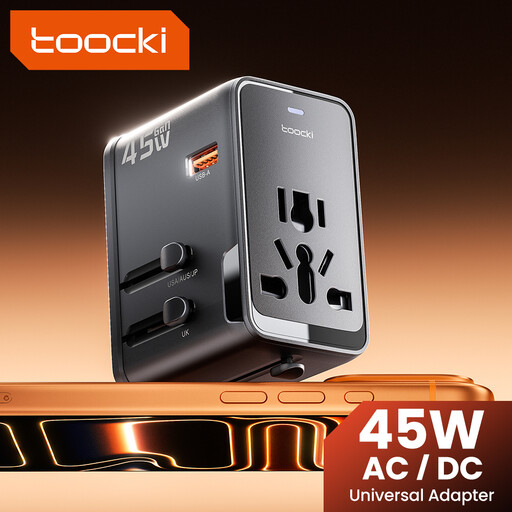 No image available
The three listed outputs offer options for different cables; only use a port that matches the light and cable according to the instructions.
The product description mentions interchangeable EU, UK, US and AUS plugs. Check which plug and input voltage apply to the version you choose.
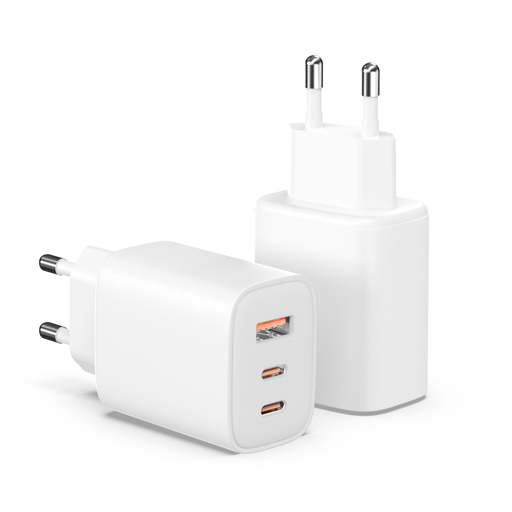 No image available
The listed USB-A and USB-C outputs give you connection options; check which output and cable your bike light requires.
The product information lists three ports and indoor use only. Check the mains specifications for the exact version.
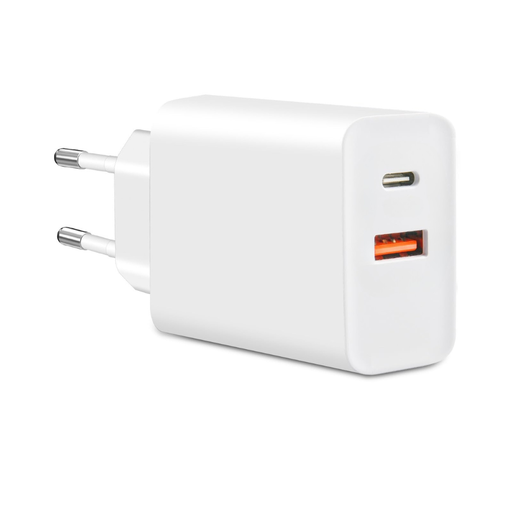 No image available
The title lists USB-C and USB-A, so you can match the port to a suitable light cable. Check your light’s instructions.
The product information lists two ports and indoor use in a dry location only. Check the mains specifications for the exact version.
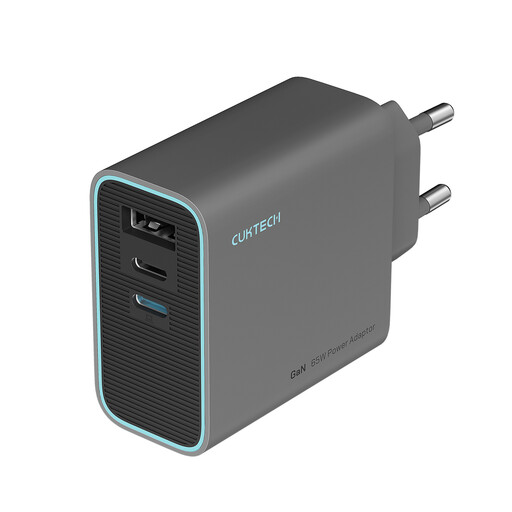 No image available
The title lists USB-C and three ports; check that the connector matches your bike light’s cable and charging instructions.
The product information mentions a foldable plug and warns against use in wet or damp environments and covering the charger during use.
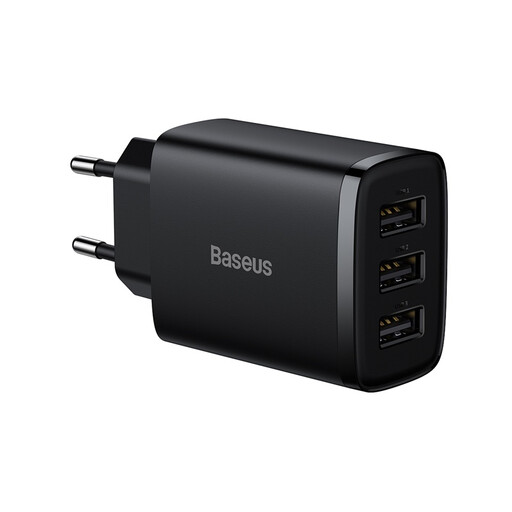 No image available
The product title describes a 17 W wall charger in an EU version. Check which port type this version has and whether it matches your light cable.
Before using the charger in a hotel room, also check the plug and input voltage on the exact version.
No. Check the full light model and the cable supplied. For example, CatEye describes an AMPP200 version with Micro-USB and a supplied cable, and another version with USB-C but no cable included.
No. The Dutch Fire Service advises against charging devices under a pillow or duvet and recommends placing the charger in an open space so heat can escape. Also follow the light’s instructions.
A mains-powered USB charger offered on the Dutch market as an electrical product must carry the applicable CE marking. The NVWA states that CE marking is compulsory for electrical products where this requirement applies; check the marking on the exact version and follow the instructions for use as well.
According to ACM ConsuWijzer, the seller is responsible for the statutory guarantee if the product doesn’t meet what you could reasonably expect from it. A manufacturer’s guarantee doesn’t automatically replace this statutory right.