
Cyclist with one rechargeable light
You want to know which cable and adapter work with your light, without buying more charging equipment than you need.


Start with your bike light’s instructions: check which cable, connector and adapter the manufacturer approves. A compact charger may be enough for the light alone. If you’re charging other devices in the same place, check the port types and the power available when they’re all in use. Keep the charger dry and unobstructed, away from splashes from the sink.
You want to know which cable and adapter work with your light, without buying more charging equipment than you need.
You want to charge your bike light and other small devices in one place. Port types and the power available when charging several devices at once are important here.
You’re looking for a practical place for your charger, light and cable, with enough room and a safe distance from moisture.
First, check what your light needs. Then you can decide whether extra ports and a larger charging station suit your devices and the space available.
| What to consider | What to look for | Who is this important for? |
|---|---|---|
| Connection and compatibility | Compare the cable and charging port with the instructions for your exact light model; also check the permitted output voltage. | If I only want to charge my bike light, I want to be sure the cable and adapter suit my model. Around 33% of consumers put compatibility first. |
| A suitable spot | Choose a dry place away from splashes, and leave the charger unobstructed so heat can escape. | With limited worktop space, I want to put the charger and cable somewhere safe without leaving them by the sink. Around 27% of consumers give finding a suitable place to charge top priority. |
| Several devices at once | Count the devices you’ll connect at the same time; check the port types and the power available from each port and when they’re used together. | If I want to connect other devices as well as my bike light, I want to know whether there are enough suitable ports. Around 20% of consumers prioritise charging several devices at once. |
| Simplicity or extra features | Consider which devices you’ll actually connect, whether you need a compatible cable, and whether a wall charger or standalone station will suit the space better. | If I’m only charging a light, I don’t want to pay for features I won’t use. Around 20% of consumers mainly choose a simple solution. |
Claims about fast-charging phones don’t automatically tell you how long a bike light will take to charge. Your light’s instructions may include specific advice about adapters.
First, check the requirements for your exact light model. Only choose extra power if you also want to connect other devices.
A charger with several USB ports won’t necessarily have both USB-A and USB-C. The cable must fit the charger’s port.
Compare the port type clearly stated in the product details with the connector at the end of your cable.
Moisture can pose a safety risk around charging equipment and batteries. A charger that isn’t unobstructed may not be able to release heat as effectively.
Use a dry spot away from splashes, and leave the charger and cable unobstructed. Don’t use a damaged cable.
According to the Netherlands Food and Consumer Product Safety Authority, electrical products must carry a CE mark. The mark is the manufacturer’s declaration that the product complies with applicable rules; it doesn’t mean that every item has been independently tested in advance.
Check the product information and look out for any safety warnings for the exact model.
The SMÅHAGEL is a compact USB-A charger for a charging spot where you don’t want to set up a separate charging station.
The BoostCharge WCB009vfWH combines USB-A and USB-C, while the RockStar B2B139vf is designed for multiple USB-A connections.
The 65W 5-Port GaN Desktop Fast Charger is a standalone station for a shared charging spot.
These Joybuy products offer USB-A and/or USB-C connections for a charging spot with a bike light and, if needed, other devices. Always check that the port and permitted charging supply meet the requirements in your light’s instructions.
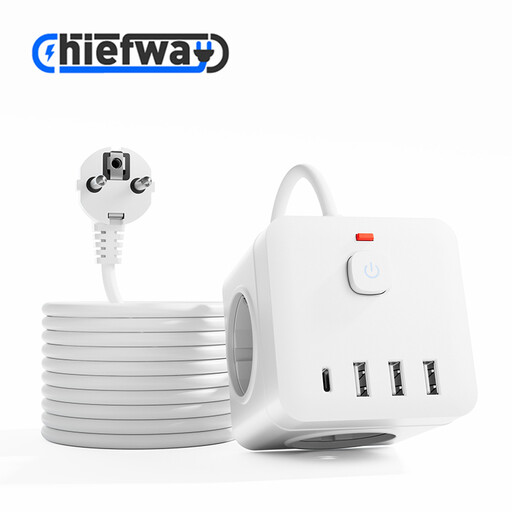 No image available
Could suit a shared charging spot if you also want to use the AC outlets alongside USB devices.
Three USB-A ports, one USB-C port, three AC outlets and a 1.5 m cable; the product name specifies up to 2500 W.
Use the power strip in a dry place, away from moisture. Don’t connect power strips to one another.
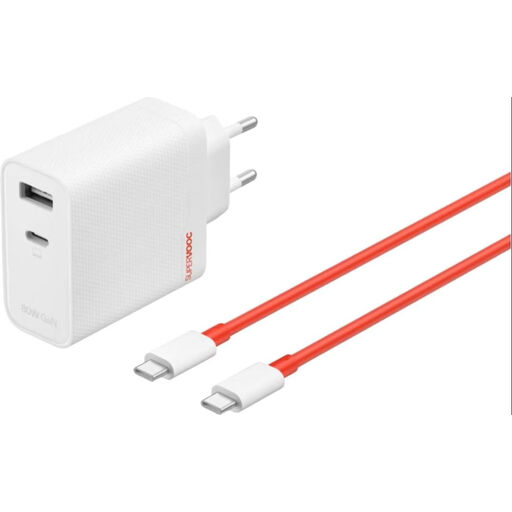 No image available
The two port types may be useful if you want to charge a device with a different connection as well as your bike light.
The product name specifies Type A and Type C, and an output of 80 W. Check your light’s charging requirements; the stated power alone doesn’t confirm compatibility.
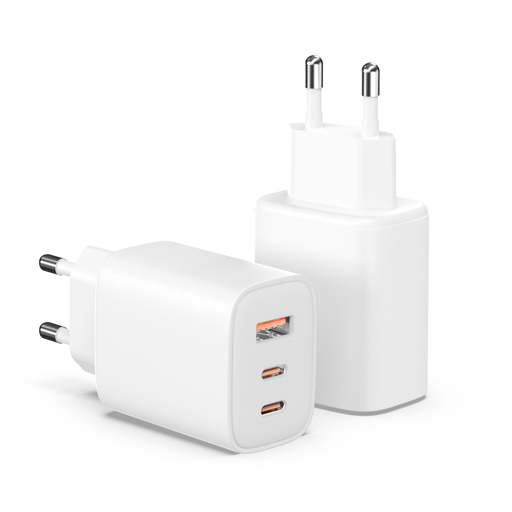 No image available
The choice of ports could suit a charging spot where several devices with different connections are used.
The product name specifies two USB-C ports, one USB-A port and 65 W. Use indoors only and in dry conditions; avoid contact with water.
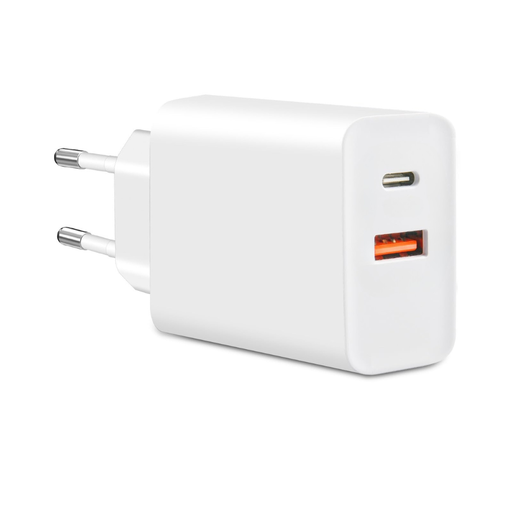 No image available
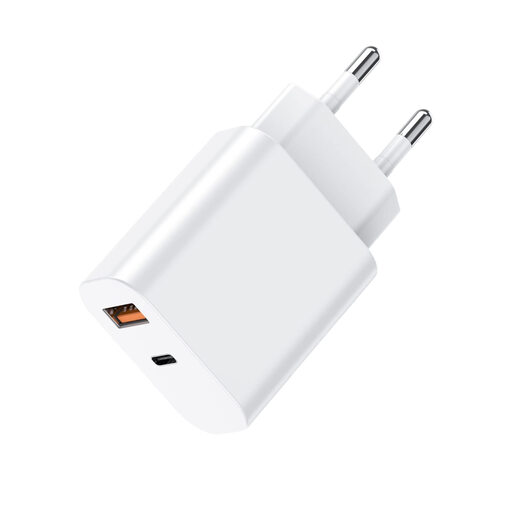
Could suit you if you’re looking for a wall charger with both USB-A and USB-C for devices with different cables.
The product description specifies a combined output of up to 30 W. Check your bike light’s requirements. Use indoors only and in dry conditions; avoid contact with water.
 No image available
The two port types may be handy if you’re connecting devices with different cables in the same place.
The product description specifies two devices at once and a total output of 20 W. Use indoors only and in a dry place; avoid contact with water.
No. The label ‘USB rechargeable’ doesn’t tell you that. Check the instructions for your exact light model and the cable it requires. Spanninga generally specifies a micro-USB cable and a power adapter with a maximum output of 5 V for its USB lights. Don’t assume this guidance applies to lights from other manufacturers.
Place the charger and light somewhere dry and unobstructed, away from splashes. The Fire Service advises leaving chargers room to release heat and warns against using damaged cables. Also follow your light’s instructions.
According to the Netherlands Food and Consumer Product Safety Authority, electrical products must carry a CE mark. This is the manufacturer’s declaration that the product complies with applicable European rules; it doesn’t mean that every item has been inspected by the Authority in advance. Check the product information and any safety warnings for the exact model.
The EU’s common charger rules don’t list bike lights as a designated device category. So check the connection and charging requirements on the light itself; don’t assume it has USB-C.
If a product is faulty, contact the retailer about your statutory guarantee; in the Netherlands, there’s no fixed statutory guarantee period. In many cases, online purchases from a business also come with a 14-day cooling-off period, with some exceptions.