
Student with one USB lamp
This student wants to charge their camping lantern in their room and is mainly looking for a compatible connection. Check the input and charging instructions for your own lantern.


If you’re only charging your lantern in your student room, a USB wall charger will do as long as its port, cable and power supply suit your lantern. A multi-port model is handy if you want to charge other devices at the same time. Choose a power bank if you also want to charge the lantern when there’s no mains socket nearby, but remember to charge the power bank itself in advance. Brandweer Nederland advises placing chargers in an unobstructed spot and never charging devices under a pillow or duvet.
This student wants to charge their camping lantern in their room and is mainly looking for a compatible connection. Check the input and charging instructions for your own lantern.
This student wants to charge their lantern and, for example, a phone using one wall charger. The port types and power distribution matter here; Belkin and IKEA list specifications for different port combinations and use cases.
This student wants to be able to charge the lantern away from a mains socket. Xtorm lists USB outputs for the Fuel Series 5; check that an output is compatible with your lantern’s input and charge the power bank in advance.
Choose this option if: you mainly charge the lantern near a mains socket and the connection is compatible with your lantern and cable.
Bear in mind: a single port won’t give you an extra connection for charging another device at the same time. A higher wattage doesn’t prove that your lantern will charge faster.
Choose this option if: you also want to charge a phone or another USB device in the same room.
Bear in mind: the power available from each port may vary when you connect several devices at once.
Choose this option if: you want to charge the lantern without a mains socket, for example when you’re out and about.
Bear in mind: a power bank is an extra battery that you’ll need to charge in advance. Its stated capacity doesn’t tell you how many times it can charge your lantern.
| What to consider | What to look for when buying | Who should prioritise this? |
|---|---|---|
| Compatible connection and power supply | Check the USB input, recommended power supply and cable for your own lantern. | I want to make sure the connection and power supply suit my lantern before I buy anything; around 36% of consumers say compatibility with their own lantern is their main concern when buying. |
| Safe charging in your room | Place the charger and cable in an unobstructed spot, and don’t charge devices under bedding. | I want to be able to place the charger in an unobstructed spot in my room, where it won’t end up under bedding; around 21% of consumers put having a safe place to charge at the top of their list. |
| Charging at the same time | Check the port types and how the power is distributed when charging several devices at once. | I want to connect my lantern and another device at the same time; around 29% of consumers say simultaneous charging is their main concern when buying. |
| Charging without a mains socket | Check the power bank’s output and how to charge the power bank itself. | I want to take my lantern with me and be able to charge it without a mains socket; around 14% of consumers say charging without a mains socket is their main concern when buying. |
A charger’s output specifications don’t automatically tell you which power supply is suitable for your camping lantern or how quickly it will charge.
First, check the lantern’s manual and input. Then compare its recommended power supply with the port and cable you plan to use.
The available output can vary by port when several connections are in use at once. For example, IKEA lists 45 W for the SJÖSS 805.744.38 when using one USB-C connection and 22 W per connection when using two USB-C connections.
Count the devices you want to charge at the same time, then check the port layout and power distribution for that setup.
A power bank can supply power without a mains socket, but you’ll need to charge it in advance. Its stated capacity doesn’t tell you how many times it can charge an unknown camping lantern.
Check that its output is compatible with your lantern and how to charge the power bank itself.
Bedding can stop heat from escaping from a charger. Brandweer Nederland also warns against using damaged cables and chargers.
Place the charger in an unobstructed spot, don’t charge devices under a pillow or duvet, and don’t use damaged charging equipment. Charge in a room with a working smoke alarm and don’t connect extension leads to one another.
The BoostCharge WCB009vfWH is a wall charger for anyone who wants to charge another device alongside their lantern and needs USB-A and USB-C.
The SJÖSS 805.744.38 is an option if you’re using two USB-C cables.
The European Anker Prime 67W GaN Wall Charger, model A2669, is a wall charger with three ports.
The Fuel Series 5 FS5100 is a power bank option for anyone who also wants to charge a lantern away from their student room.
This selection includes multi-port USB wall chargers and a portable power station as different options. Check whether the connection and charging method suit your camping lantern for each model.
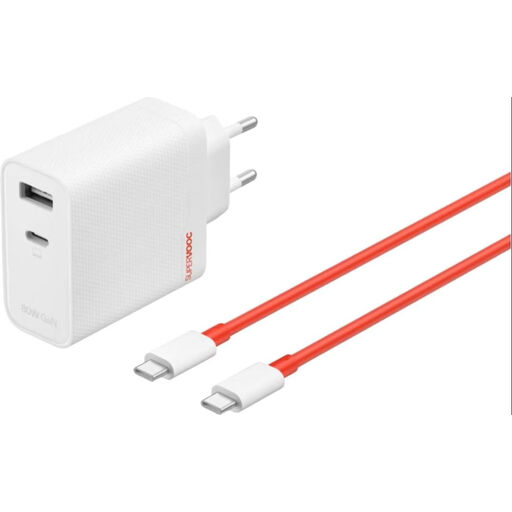 Image unavailable
The product name lists two ports: Type A and Type C. Check which connection and power supply your lantern requires; 80 W on the adapter doesn’t prove a particular charging speed for the lantern.
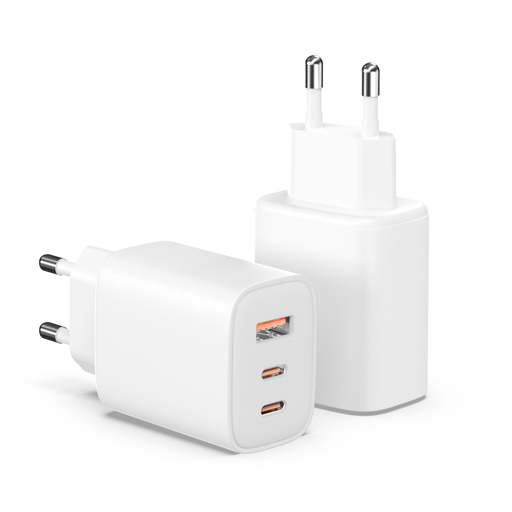 Image unavailable
The product name lists two USB-C ports and one USB-A port. Check that your lantern cable’s plug fits and what power supply the lantern requires.
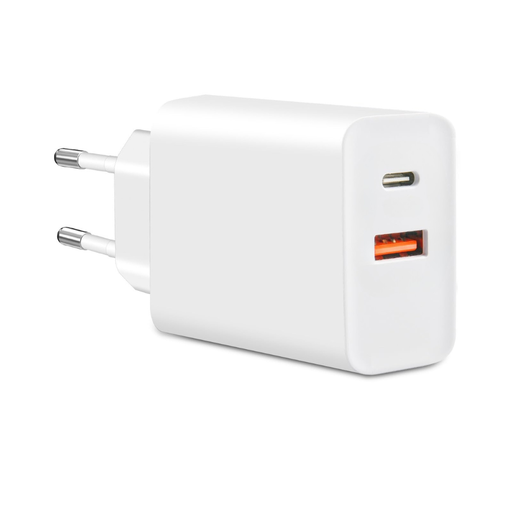 Image unavailable
The product name lists a USB-A port and a USB-C port. This may be useful if your cable has one of these types of plug; also check your lantern’s charging instructions.
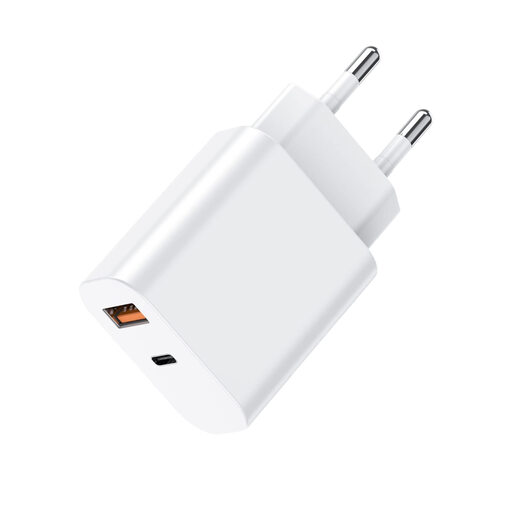 Image unavailable
The product name lists USB-A and USB-C. Before choosing this wall charger, check which type of connection and power supply your lantern needs.
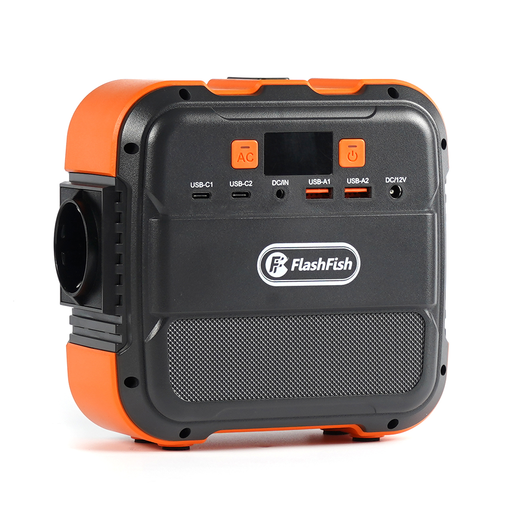 Image unavailable
The product name lists a 120 W output and a capacity of 26.400 mAh. Check that the connection and charging method are suitable for your lantern; a portable power station isn’t the same as a wall charger.
No. Check the connection and charging instructions for your specific lantern. BioLite lists USB-C as the input for the Luci Charge 150; that model specification doesn’t automatically apply to other lanterns.
Brandweer Nederland advises placing chargers in an unobstructed spot and never charging devices under a pillow or duvet. Charge in a room with a working smoke alarm and don’t connect extension leads to one another.
That depends on the product rules that apply to the specific charger. The Netherlands Food and Consumer Product Safety Authority (Nederlandse Voedsel- en Warenautoriteit) explains which product groups must carry a CE mark; for an ordinary mains-powered charger, the electrical specifications are relevant. A CE mark is the manufacturer’s declaration and isn’t the same as a mandatory independent test of every product.
No. ACM ConsuWijzer explains that the statutory guarantee doesn’t have a fixed two-year limit: with normal use, it depends on what you can reasonably expect from the product. If a product is faulty, contact the seller for an appropriate solution.