
Vandaag of morgen in huis

Kwaliteit gegarandeerd

Welkomstaanbiedingen ontgrendelen: GRATIS bezorging | Tot 80% korting | Gratis 30 dagen JoyPlus-proefperiode
Download de app
Need a new USB-C charger? Maybe you've lost your old one, it's broken, or it's just too slow. The search seems simple, but the market is flooded with options that overpromise and underdeliver. Making the wrong choice not only leads to frustration but can also damage your expensive devices. As a Joybuy Product Recommendation Officer, I'll help you cut through the marketing jargon and find a charger that simply gets the job done.
Before you make a purchase, watch out for these common pitfalls:
To avoid a bad purchase, focus on a few key specifications. These determine whether a charger is suitable, safe, and efficient for your devices.
Wattage (W) is the most critical factor. Too little power means slow charging, but too much is not a problem; your device will never draw more power than it can handle.
Technology doesn't stand still. Two terms you'll often encounter are Power Delivery and GaN.
Do you have multiple devices? A multi-port charger (with both USB-C and the older USB-A) is practical. It allows you to charge your laptop, phone, and earbuds simultaneously from a single outlet. However, pay attention to the total wattage, as it will be distributed among the ports when used at the same time.
Based on these objective criteria, we've selected a few chargers that fit different user profiles.
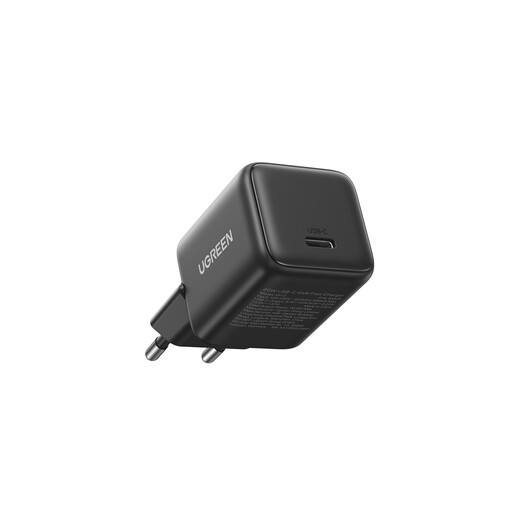
Why This Fits Their Persona: Ideal for anyone seeking a reliable and fast charger for a single smartphone (like an iPhone or Samsung). Compact and efficient for home or on the go.
This charger from a reputable brand offers clear specifications (20W Power Delivery) and the safety that no-name alternatives often lack.
Thanks to GaN technology, it's remarkably small and generates less heat than traditional chargers. It supports various fast-charging protocols for broad compatibility.
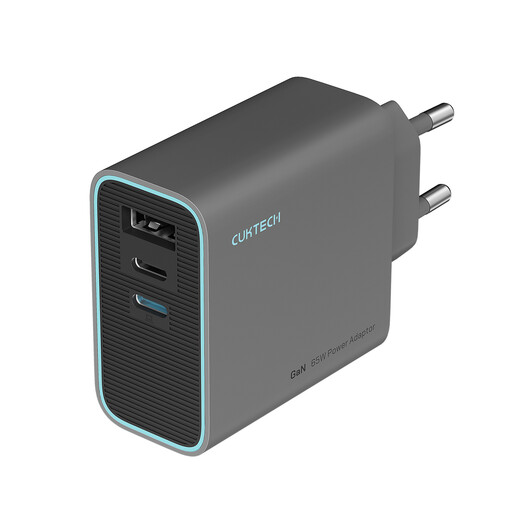
Why This Fits Their Persona: Perfect for those who want to charge a laptop, phone, and earbuds simultaneously. One charger for your desk or travel bag, eliminating the need for multiple adapters.
It delivers a total output of 65W, enough for most USB-C laptops. This prevents the issue of an underpowered charger that can't keep up with your laptop.
A multi-port charger (2x USB-C, 1x USB-A) with a foldable plug. Its intelligent power distribution optimises charging for all connected devices.
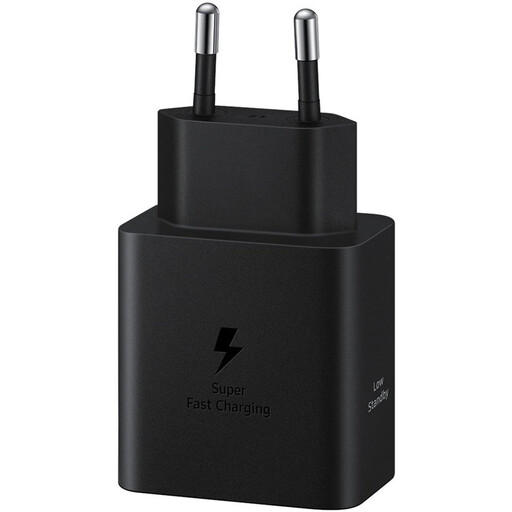
Why This Fits Their Persona: For the Samsung user who wants to get the maximum charging speed from their high-end Galaxy device and prefers original accessories.
This official Samsung charger guarantees compatibility with the PPS protocol, something generic chargers often lack. This helps you avoid the "one-size-fits-all" trap and actually get the advertised speed.
Unlocks the "Super Fast Charging 2.0" feature on compatible Samsung devices with a 45W output. Offers built-in protection against over-voltage and overheating.
We've compiled a complete, up-to-date list of products that fully meet these strict selection criteria and safety regulations.
Yes, that's completely safe. A modern USB-C charger and your device communicate to determine the correct power output. Your phone will never draw more power than it can handle. So, you can safely use a 65W USB-C laptop charger to charge your smartphone; it will simply deliver the power your phone needs, for example, 20W.
A GaN charger uses gallium nitride instead of traditional silicon. This makes the charger more efficient, smaller, and cooler-running at the same wattage. This makes them especially useful for travel or if you're looking for a powerful charger with a small footprint.
Check the supported charging protocols. For a recent iPhone charger, look for one that supports Power Delivery (PD) with at least 20W. For the "Super Fast Charging" on newer Samsung phones, you need a charger that supports PPS (Programmable Power Supply), like an official 25W or 45W Samsung charger. This information is usually listed on the product page or packaging.
