
Vandaag of morgen in huis

Kwaliteit gegarandeerd

Welkomstaanbiedingen ontgrendelen: GRATIS bezorging | Tot 80% korting | Gratis 30 dagen JoyPlus-proefperiode
Download de app
A good USB-C to USB-C cable has become essential. You use it for your smartphone, tablet, laptop, and sometimes even your headphones. But not all cables are created equal. The wrong choice can lead to slow charging, sluggish data transfers, or a cable that breaks after just a few months. With terms like Power Delivery, 120W, and braided nylon, it can be tricky to make the right choice.
As a Joybuy Product Recommendation Officer, I'm here to help you understand the specifications and find a cable that fits your devices and needs. In this guide, we'll highlight several popular choices to help you make an informed decision.
Before we look at the products, here are a few key points to keep in mind.
Charging Power (Wattage and Power Delivery) Not every USB-C cable is a fast-charging cable. The power, measured in Watts (W), determines how quickly your device charges. A standard cable might only deliver 15W, while a 60W cable is suitable for charging a laptop cable (like a MacBook Air). For the very fastest charging technologies, such as with some Xiaomi phones, you might need a 120W cable. Look for the term Power Delivery (PD). This is a standard that ensures your cable, charger, and device communicate safely at the highest possible power.
Durability and Material A cable's lifespan heavily depends on its material. A braided USB-C cable made of nylon is typically much more resistant to kinks, pulls, and daily wear and tear than a standard plastic cable. This is especially useful if you frequently travel with or coil your cable.
Data Transfer A USB-C charging cable is often also a USB-C data cable. Most cables in this category offer a transfer speed of 480 Mbps (USB 2.0). This is fine for transferring photos and documents. If you have professional needs, like transferring large video files, you'll need a more expensive cable that supports higher speeds (like USB 3.1 or Thunderbolt). However, for most users, 480 Mbps is more than sufficient.
Below is a selection of cables with different features, suitable for various users.
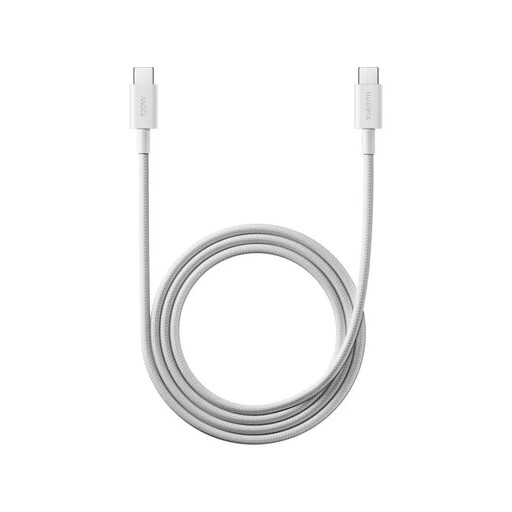
Why it stands out: This cable is engineered for maximum charging performance, specifically for devices that can handle very high wattages.
Pros:
Who is this cable for? Ideal for owners of a recent Xiaomi smartphone who want to leverage maximum charging speeds. It's also a solid choice for anyone looking for a robust and powerful cable for other USB-C devices.
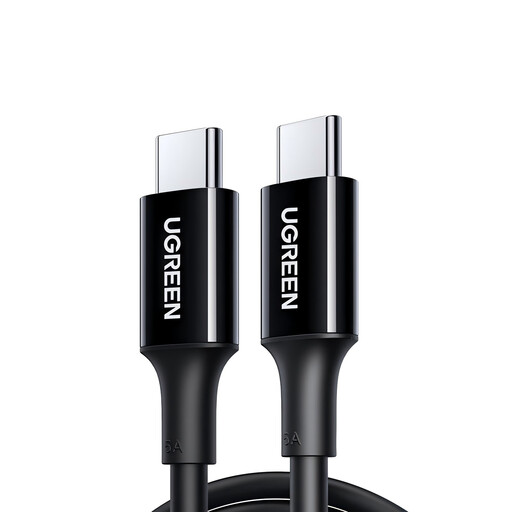
Why it stands out: A reliable, no-frills all-rounder that gets the job done.
Pros:
Who is this cable for? For the user seeking a no-nonsense USB-C charging cable that just works. A great replacement for a standard cable or as a spare for the office or your bag.
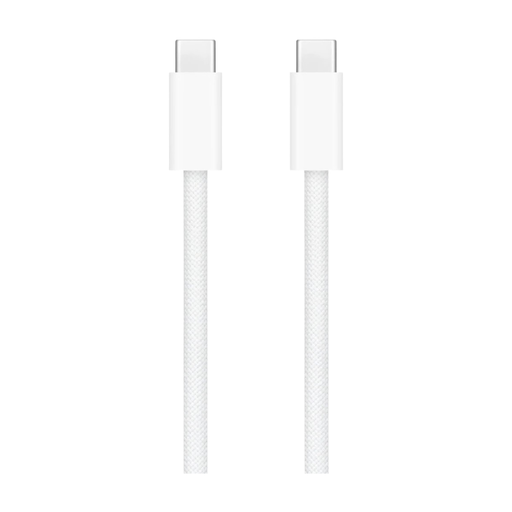
Why it stands out: The signature Apple quality and design, now in a more durable, woven version.
Pros:
Who is this cable for? The natural choice for Apple users who value design and durability. Perfect as a cable for MacBook or iPad, it fits seamlessly into the Apple ecosystem.
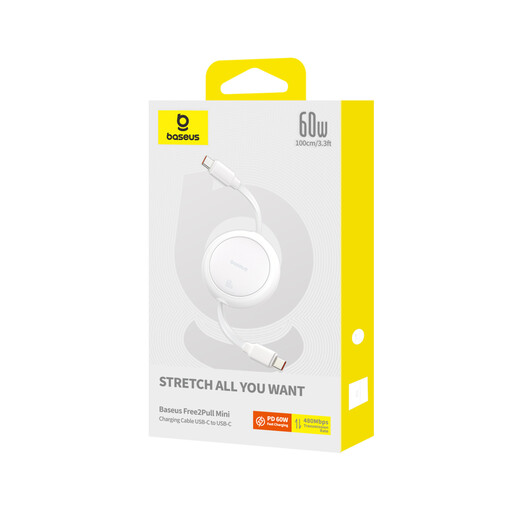
Why it stands out: This retractable cable is the solution for anyone who hates tangled cords.
Pros:
Who is this cable for? Perfect for travelers, students, and professionals who want to keep their bag or desk tidy. A smart, portable solution that's powerful enough to serve as a cable for a laptop.
If your ideal cable isn't listed here, or if you're looking for a different length or specification, don't worry. We have a wider range of cables to meet various needs.
Check out more USB to USB-C cable options here.
No, not every cable is suitable. For fast charging, the cable, the charger, and the device itself must all support a fast-charging protocol like Power Delivery (PD). A cable must also be able to handle the required wattage. Using a 120W cable on a device that only supports 25W won't cause any damage, but you won't be using the cable's full capacity.
Most USB-C to USB-C cables can both charge and transfer data. The main difference lies in the speed. Most cables designed primarily for charging have a data transfer speed of 480 Mbps (the USB 2.0 standard), which is fine for everyday use. For transferring very large files, like 4K video, there are special (and more expensive) cables with much higher speeds.
For durability, a braided cable is often a better choice. The nylon or fabric exterior better protects the internal wiring from bending and pulling, which are the most common causes of cable failure. If you often take your cable with you or use it intensively, the extra investment in a braided model is usually worth it.
