
Cyclists with a light and a phone
You want to charge several devices in your hotel room, so the right combination of ports is important. Belkin and UGREEN product specifications include examples of chargers with USB-A and USB-C connections.


If you have a suitable socket, choose a mains charger based on the connection on your bike light and the devices you want to charge at the same time. A power bank is more convenient if you can’t rely on having access to a socket, but it needs charging too. Check your light’s instructions and charge your devices safely.
You want to charge several devices in your hotel room, so the right combination of ports is important. Belkin and UGREEN product specifications include examples of chargers with USB-A and USB-C connections.
You want to be able to top up your bike light even when a suitable socket isn’t available, so you bring an extra battery. Xtorm describes using a power bank, while Which? highlights portability as a factor to consider when choosing one.
You want to use undamaged cables and leave your devices uncovered, so you can finish charging before you go to sleep. The Netherlands Fire Service advises leaving chargers uncovered and not charging devices under a pillow or duvet.
First, check that the cable and port are compatible with your bike light. Then choose between charging from a socket or using a power bank, and decide whether you want to connect several devices at the same time.
| What to consider | What should you check? | Who is this important for? |
|---|---|---|
| Port and cable | Check the charging port on your light, the plug at the charger end of the cable, and whether the charger has USB-A, USB-C or both. | If the plug on my bike light cable doesn’t fit the charger, I can’t charge the light. That’s why around 31% of consumers prioritise the right connection. |
| Charging at the same time | Count the devices you actually want to connect at the same time and check the charger’s port layout. | If I want to charge my light and, for example, my phone at the same time, I need enough suitable ports. Around 23% of consumers prioritise charging multiple devices at once. |
| A safe place to charge | Check the cable and charger for damage. Place devices uncovered on a hard surface and follow the instructions. | I want to be able to charge my light without covering it or placing it next to damaged cables. Around 31% of consumers prioritise a safe charging set-up. |
| Charging without a socket | Check that the power bank has the required output, how to recharge it, and, if you’re flying, which baggage rules apply. | If I can’t rely on having access to a usable socket, a charged power bank gives me more flexibility. Around 15% of consumers choose one mainly for this back-up option. |
A high stated power output doesn’t change the connection on your bike light or guarantee that the light will charge faster.
First, check the light’s instructions, the plugs on your cable and the individual ports. Then consider how much power you need for your other devices.
You may still need a compatible cable.
A power bank lets you charge without a socket, but it needs charging itself. Its stated capacity doesn’t tell you how many times it will charge your bike light.
Choose this option if not having access to a socket is a concern for you. Also check the ports, weight and instructions for charging the power bank.
Allow for extra luggage and time to charge the power bank itself.
Working bike lights and a safe charging set-up are important in the dark or when visibility is poor. The Netherlands Fire Service warns against charging devices under a pillow or duvet.
Check your lights before you set off and charge them on a clear, hard surface. Ideally, finish charging before you go to sleep.
Belkin offers mains chargers with various combinations of USB-A and USB-C ports. The right option depends on which cables you’re bringing.
The Nexode 65W, model 10335, is a mains charger worth comparing if you’re looking for USB-C and USB-A connections.
The Fuel Series 5 FS5103U is a power bank to consider if you want to be able to charge without access to a hotel socket.
This selection includes mains chargers and extension leads for charging USB devices from a socket, as well as a power bank for when a socket isn’t available. Check that each model’s connections are compatible with your bike light’s cable and instructions.
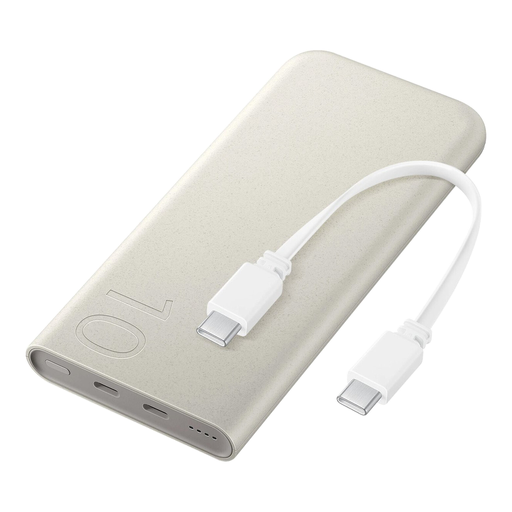 No image available
A power bank to consider if you can’t rely on having access to a socket. Charge it beforehand.
The product name lists 25 W and 10,000 mAh. Check that the charging method and cable are compatible with your bike light’s instructions.
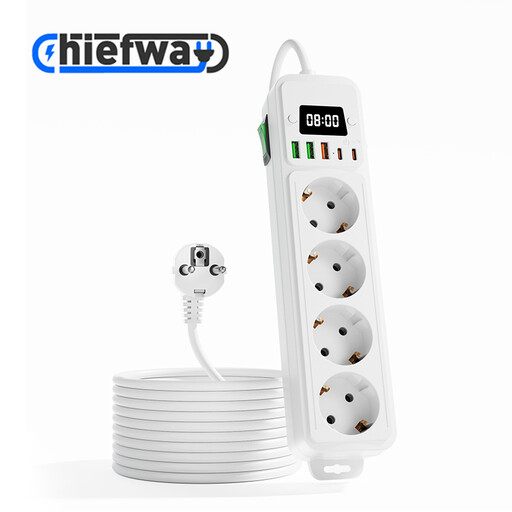 No image available
An extension lead to consider if you want to connect several devices. It needs to be plugged into a socket.
The product name lists 4 AC outlets, USB-A and Type-C ports, a digital clock and 2500 W MAX. Check which USB port is compatible with your bike light cable.
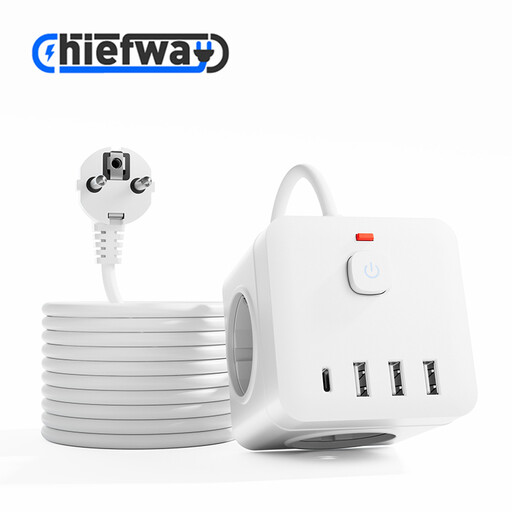 No image available
An extension lead to consider if you want to connect USB devices to a socket. Check that the port is compatible with your light cable.
The product name lists USB-A and Type-C ports, 2500 W MAX and a 1.5 m lead.
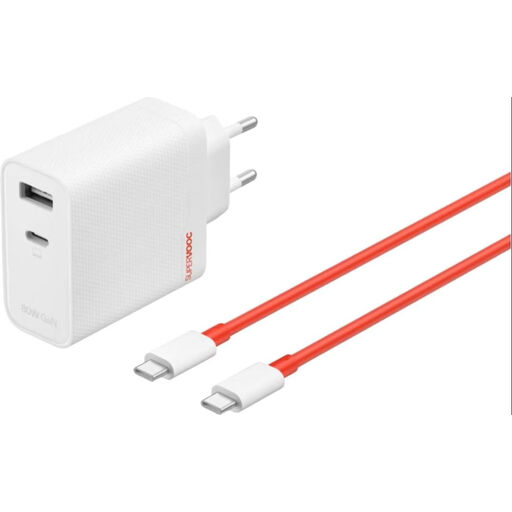 No image available
A mains adapter to consider if you want to connect two devices at once and the ports are compatible with their cables.
The product name lists 80 W and USB-A and USB-C ports. Check your bike light’s charging instructions; maximum power alone doesn’t determine how quickly the light will charge.
 No image available
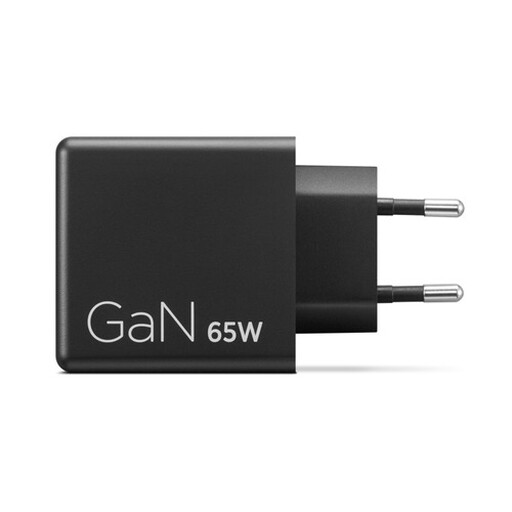
A mains charger to consider if you want to connect your bike light and another device via USB-C, provided the cables and charging instructions are compatible.
The product name lists 65 W, two USB-C ports, an EU plug and a 1.5 m USB-C cable. The charger needs to be plugged into a socket.
No. You can’t tell from the wattage alone. Check what your specific light supports according to its instructions, and make sure the cable and port are compatible.
No. The Netherlands Fire Service advises leaving chargers uncovered and not charging devices under a pillow or duvet. Don’t use damaged cables and, ideally, charge while you’re awake and nearby.
According to the Dutch Government, you need a front light and a rear light in the dark or when visibility is poor. The front light must be white or yellow and the rear light red. Separate lights must be clearly visible and must not flash. Check the required reflectors too.
Check whether the relevant requirements apply to the specific mains charger and whether it has the required CE marking. The Netherlands Food and Consumer Product Safety Authority explains the low-voltage rules for electrical equipment with a rated AC voltage of 50–1,000 V. According to the Dutch Government, online purchases from a business generally come with a 14-day cooling-off period, subject to exceptions. A CE marking doesn’t prove that the charger is suitable for your bike light.
According to the European Union Aviation Safety Agency, a power bank must be carried in your hand baggage as a spare battery, not in checked baggage. Check its Wh rating and your airline’s rules. This only applies if you’re flying.